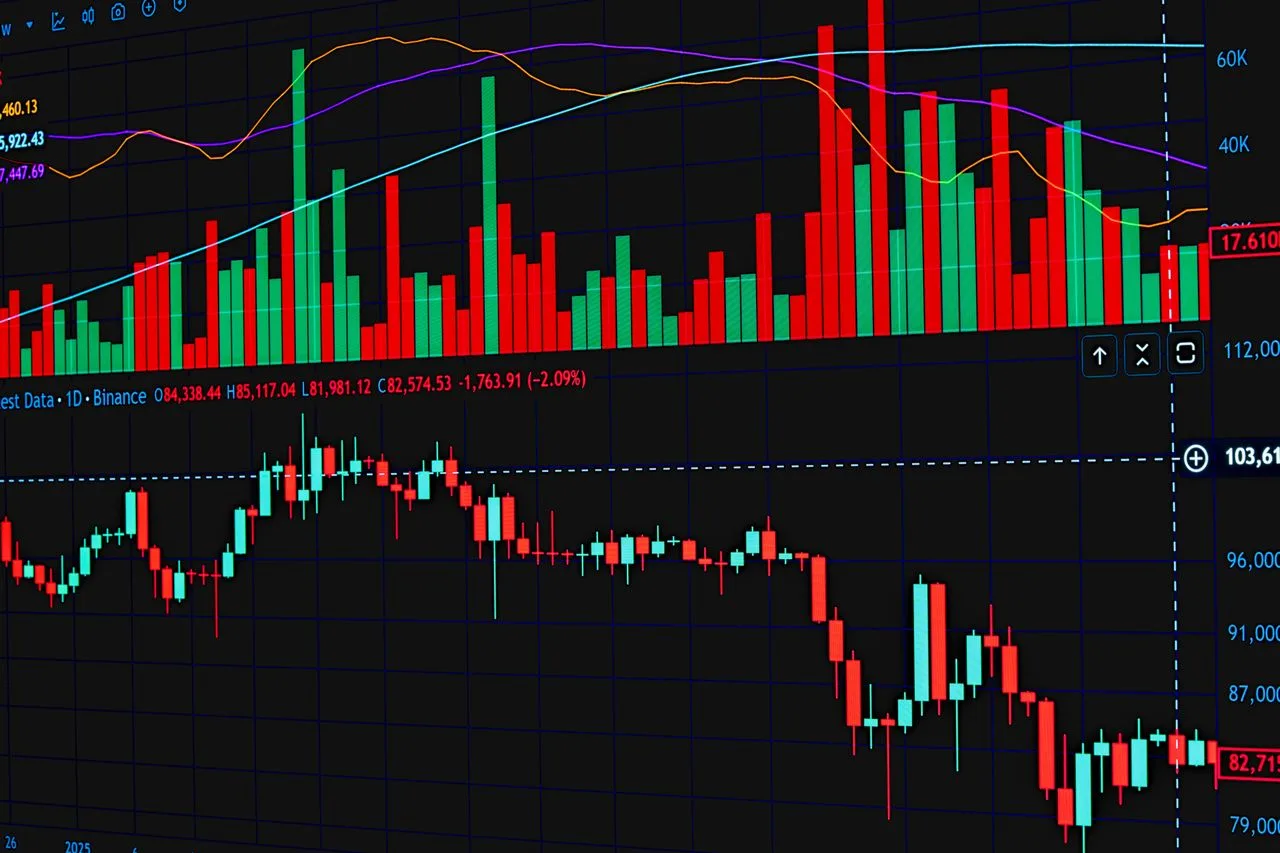
Winning a trade does not always mean making money. A beginner might catch the right market move, close in profit, and still walk away with less than expected because spreads, commissions, slippage, or overnight fees quietly took a bite.
That is the hidden problem with active trading. Most new traders spend their energy hunting better entries, but long-term profitability also depends on knowing the real cost of every position before the trade begins.
Active Trading Costs Add Up Fast
A trade can cost money before the market even moves against you. The spread, commission, and execution price all affect your starting point. When you trade often, those tiny numbers become a real hurdle.
The spread is the difference between the price at which you can buy and the price at which you can sell. A tight spread may feel harmless, but scalpers and short-term traders can pay it again and again in a single session.
Commissions are easier to spot because they usually appear as a listed fee. The tricky part is judging whether your average profit per trade is large enough to cover them. A strategy that looks profitable on a chart may fail once real trading costs are included.
Know the Fees Before You Trade
Beginners often discover extra costs only after they appear in the account history. A better habit is to check every likely expense before placing an order. Cost planning matters even more when trading forex or CFDs, where spreads, swaps, margin, and leverage can all affect the final result.
In forex and CFD trading, some traders also look at how their broker handles execution. Afterprime, for instance, describes itself as an A-Book broker, and its all-in-one trading calculator shows estimates for margin, pip value, profit, and loss before a position is placed.
Common costs to check include:
- Bid and ask spreads
- Broker commissions
- Overnight swap fees
- Slippage on entries
- Margin interest
Overnight fees matter when a position stays open past the daily rollover time. Slippage matters when the price you expected is not the price you received. Both can be small on one trade and painful across dozens of trades.
Leverage Can Make Costs Louder
Leverage gives you control over a larger position with a smaller deposit. The danger is that costs are tied to the size of the position, not just the cash you put down. A small spread on a large leveraged trade can hit harder than beginners expect. This is especially true when trading instruments like equity indices, where CFD liquidity conditions can shape how much a leveraged position actually costs to open and close.
Leverage also reduces room for mistakes. A position that moves against you can reach your stop faster, and poor sizing can force emotional decisions. The goal is not to avoid leverage forever, but to respect how quickly it changes the math.
Position sizing should come before excitement. Decide how much of your account you are willing to risk, then build the trade around that number. A good setup is not good enough if the position size can damage your account.
Build a Pre-Trade Checklist
A simple checklist helps slow down rushed decisions. Traders make better choices when the trade has to pass a few basic tests first. Use the same process each time so costs and risks are not ignored.
Before entering, confirm:
- Entry price
- Stop loss
- Target price
- Position size
- Estimated cost
- Break-even point
The break-even point is one of the most useful numbers for active traders. It shows how far the market must move just to cover the cost of getting in and out. When that distance is too large, skipping the trade may be the smartest move.
Make a Trading Calculator Part of the Routine
A trading calculator will not make a weak strategy profitable, but it can stop you from trading blind. Beginners who calculate spreads, swaps, margin, and position size before entering have a clearer view of the real risk. That clarity makes it easier to avoid oversized trades, weak setups, and surprise fees.
Active trading is already hard enough without hidden costs working against you. Treat every trade like a business decision, not a quick bet. When the numbers make sense before entry, your strategy has a much better chance of surviving after the trade is open.