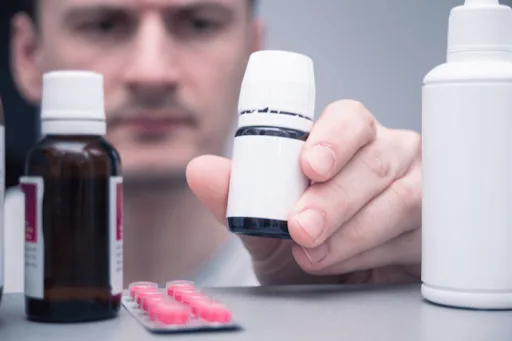
Open the average bathroom cabinet today, and you may find a very different collection of products from the one your father or grandfather kept. The familiar pain relievers, bandages, and cold remedies have not disappeared, but they now share shelf space with products designed around sleep, recovery, skin care, stress management, and everyday wellbeing.
For men in particular, this shift reflects a broader approach to self-care. Health is no longer limited to dealing with a problem after it appears. Daily habits, preventative care, recovery, and knowing when to seek professional advice all have a place. As a result, the modern medicine cabinet is becoming less of an emergency box and more of a practical personal-care toolkit.
Everyday Health Goes Beyond Treating Symptoms
Traditionally, a medicine cabinet was built around minor illnesses and injuries. You stocked it with products for headaches, cuts, allergies, stomach problems, and the occasional cold.
Those basics still have a place. What has changed is the thinking around them.
Many men now pay closer attention to the smaller routines that affect how they feel from day to day. A cabinet might contain sunscreen alongside first-aid supplies, moisturizer next to shaving products, or items used as part of an evening wind-down routine.
This does not mean filling every shelf with the latest wellness product. A useful cabinet should make daily self-care simpler, not more complicated. It should contain products you understand, actually use, and can store safely.
A good starting point is to think about what regularly comes up in your life. Someone who spends weekends running or cycling may have different needs from someone who travels frequently for work. The point is to build around real routines rather than buying products simply because they are popular.
Recovery Is Becoming Part of the Routine
Recovery used to be something people mainly discussed in relation to athletes. Now, it’s part of a much wider conversation about men’s health.
A tough gym session is one obvious reason to think about recovery, but it is not the only one. Long hours at a desk, physical work, poor sleep, and a busy schedule can all leave you feeling worn down. That has encouraged more men to think about what happens after a workday or workout ends.
Simple habits often come first. Hydration, enough sleep, sensible training schedules, stretching, and taking rest days all matter. Some men also keep topical products, massage tools, or other wellness items close at hand as part of their personal routine.
The useful question is not, “What should everyone have?” It is, “What fits the way I actually live?” That keeps the cabinet personal and prevents it from becoming a collection of half-used purchases.
Wellness Products Need the Same Careful Approach
One noticeable addition to some modern wellness routines is hemp-derived CBD. As with any product that sits somewhere within a broader health or self-care routine, it makes sense to approach it thoughtfully rather than treating it as a cure-all.
Start by knowing exactly what you are buying. Labels matter, as do ingredient lists, serving information, and usage instructions. If CBD interests you, Cypress Hemp has a collection of full-spectrum CBD products; Visit Website to review. Reading the available product information before deciding is a much better approach than choosing something based on vague claims or social media trends.
It is also worth remembering that “wellness” does not automatically mean suitable for everyone. If you take medication, have a health condition, or have questions about possible interactions, speak with a qualified healthcare professional before adding a new product to your routine.
That principle applies far beyond CBD. A modern medicine cabinet may contain more choices than ever, but more choice makes informed decision-making even more important.
Grooming and Health Are Moving Closer Together
Men’s grooming has also become harder to separate from general self-care. Shaving cream and aftershave may still be there, but they are often joined by sunscreen, facial moisturizer, lip balm, acne treatments, and products for dry or irritated skin.
That shift is practical. Your skin is exposed to sunlight, weather, sweat, shaving, and environmental irritants every day. Looking after it is not simply about appearance.
The same thinking can apply to oral care, foot care, and hair or scalp products. Rather than treating grooming as a separate category, it can make sense to view it as another part of maintaining your body.
There is no need for a complicated routine. A few well-chosen products that solve specific problems are generally easier to use consistently than a crowded shelf full of options.
A Smarter Cabinet Is Also a Safer One
Adding new products is only half the job. A genuinely useful medicine cabinet also needs regular maintenance.
Every few months, take a few minutes to check what is inside. You can:
- Look for expired medicines and follow local guidance for safe disposal.
- Check packaging for storage instructions.
- Keep products in their original containers when appropriate.
- Separate everyday grooming items from medicines that require extra care.
- Store anything potentially harmful where children or pets cannot reach it.
- Replace first-aid supplies that have been used or damaged.
It is also worth questioning the bathroom itself as a storage location. Heat and moisture can affect some products, so always follow the instructions on the packaging. The traditional “medicine cabinet” does not necessarily have to be an actual cabinet above the sink.
Knowing What Does Not Belong in the Cabinet
Perhaps the biggest change in men’s self-care has nothing to do with products. It is recognizing when something cannot be solved from a shelf.
A persistent pain, unusual symptom, recurring sleep problem, or worsening skin condition deserves more attention than another over-the-counter purchase. Keeping useful products at home can make minor problems easier to manage, but it should not become a reason to put off professional medical care.
The same applies to mental wellbeing. Stress-management routines and relaxing evening habits can be useful, but ongoing anxiety, low mood, or other concerns may require support from a qualified professional.
Final Thoughts
The modern medicine cabinet reflects a broader view of men’s health. First aid and everyday medicines still matter, but they now sit alongside grooming, skin care, recovery, and personal wellness products.
The goal is not to fill every available shelf. It is to create a practical collection that matches your lifestyle and helps you take better care of yourself day to day. Read labels, clear out expired items, be cautious about health claims, and ask a professional when you need guidance.
A smarter medicine cabinet is ultimately less about how many products you own and more about making thoughtful choices about the ones you keep.