Office dress codes have shifted significantly over the past decade. Many workplaces now balance professionalism with comfort, allowing employees to move beyond rigid dress standards while still presenting themselves in a polished way.
In 2026, men’s office style reflects this shift. Instead of strict rules, the focus has moved toward thoughtful wardrobe choices that combine versatility, practicality, and personal style.
For professionals navigating modern workplaces, understanding how to dress well at the office can make a meaningful difference. A well-chosen outfit communicates reliability, attention to detail, and confidence.
At the same time, today’s work environments demand clothing that works for meetings, commuting, and the occasional after-hours event.
This guide explores the key elements shaping men’s office style in 2026 and offers practical strategies for building a wardrobe that looks professional without feeling outdated or restrictive.
The Shift Toward Modern Business Casual
One of the most noticeable changes in office fashion is the move toward refined business casual. Traditional suits are still common in some industries, but many workplaces now favor a more relaxed approach that still maintains a professional appearance.
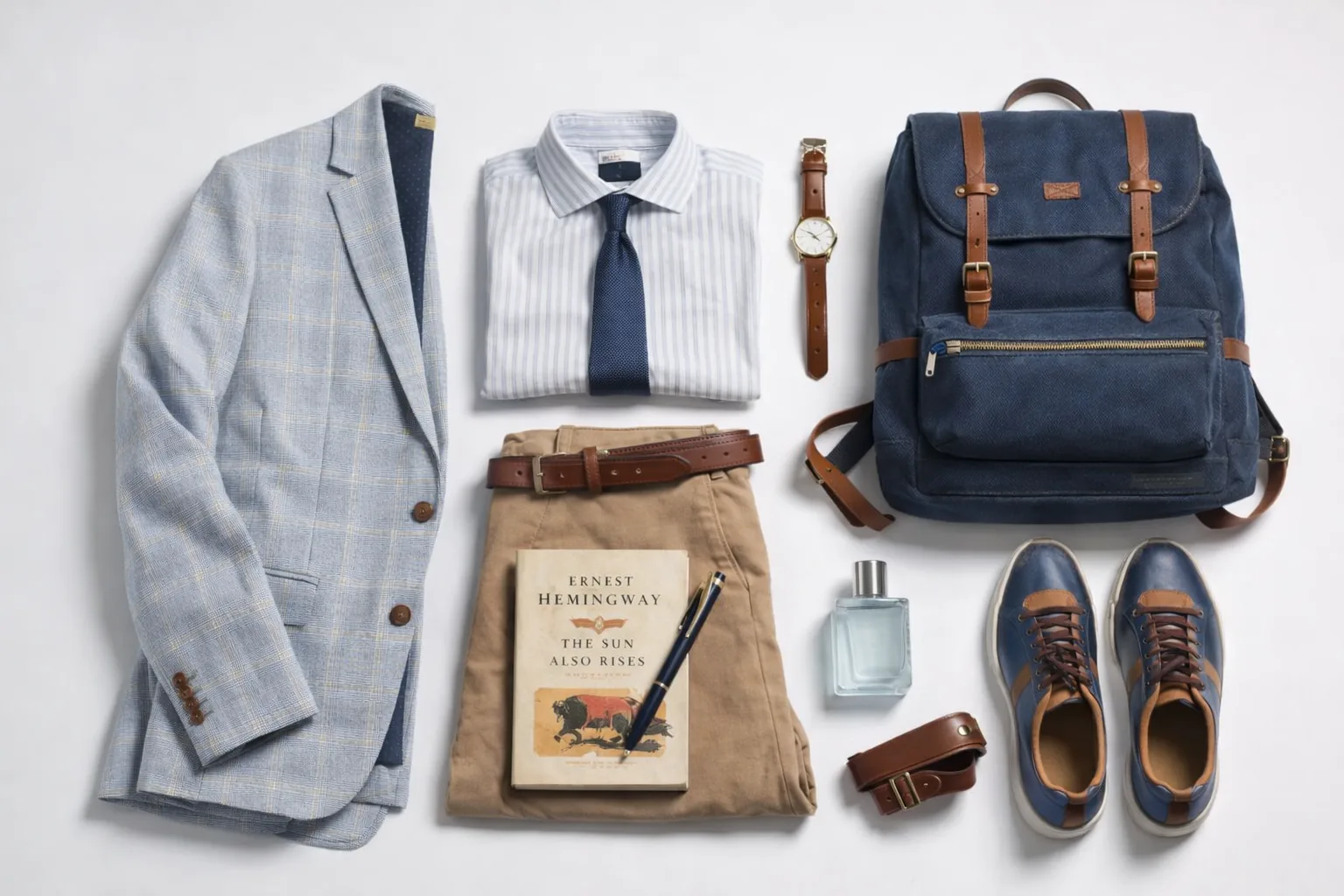
Modern business casual typically includes tailored chinos, dress shirts, lightweight sweaters, and structured blazers. These pieces allow professionals to look put-together without the formality of a full suit.
Fit plays a central role in this updated style. Clothes that are properly tailored instantly elevate an outfit, even if the pieces themselves are simple. A well-fitting pair of trousers or a crisp shirt can create a professional impression without appearing overly formal.
Another key aspect is versatility. Clothing that works in multiple settings, such as a blazer that pairs equally well with chinos or dress pants, helps professionals adapt to different workplace expectations.
Building a Practical Office Wardrobe
A strong office wardrobe doesn’t require an excessive number of clothing items. Instead, it relies on a set of reliable pieces that can be mixed and matched throughout the week.
A few essential items typically form the foundation:
- Neutral blazers that work with multiple outfits
- Tailored trousers in classic colors like navy, grey, or charcoal
- Crisp button-down shirts in white, light blue, or subtle patterns
- Comfortable leather shoes suitable for both meetings and daily wear
- Lightweight sweaters for layering
These staples create dozens of outfit combinations while keeping a consistent professional appearance.
Accessories also play a role in refining a professional look. Watches, belts, and ties add subtle personality without overwhelming an outfit. When chosen carefully, these details help create a polished appearance that feels intentional rather than overly styled.
Equally important are the basics that often go unnoticed. Items like undershirts, belts, and quality socks contribute to both comfort and presentation. Brands such as Southern Scholar have gained attention among professionals who want dependable wardrobe staples that maintain a polished look throughout long workdays.
The Importance of Small Details
While jackets and shirts often receive the most attention, smaller wardrobe elements often determine how polished an outfit appears overall.
For example, socks may seem like a minor detail, but they play a significant role in maintaining a clean and professional look. Ill-fitting socks that slide down during the day can quickly become distracting or uncomfortable.
This is why many professionals invest in well-made options like those offered by SouthernScholar. Choosing socks designed to stay in place throughout the day allows professionals to focus on their work rather than adjusting their wardrobe.
Small choices like this contribute to an overall sense of preparedness and professionalism. When every element of an outfit works together, the result is a look that feels deliberate rather than accidental.
Incorporating Personal Style at Work
While professionalism remains important, today’s workplaces often encourage subtle expressions of individuality. Adding personal style to office outfits can make daily dressing more enjoyable without sacrificing credibility.
This can be done in several ways. Some professionals choose patterned shirts or textured fabrics that add visual interest while remaining appropriate for the workplace. Others incorporate accessories such as unique watches or understated pocket squares.
Color can also play a role. Neutral tones still dominate most office wardrobes, but introducing controlled color through ties, socks, or knitwear can bring variety to everyday outfits.
The key is moderation. Personal touches should complement the overall outfit rather than becoming the main focus. When done well, they create a distinctive style that remains appropriate for professional environments.
Dressing for Hybrid Work Environments
Hybrid work arrangements have introduced new considerations for office style. Many professionals now split their time between home offices and traditional workplaces, which has influenced how people dress during the workweek.
Clothing that transitions easily between environments has become increasingly popular. For example, a knit blazer paired with tailored trousers offers enough structure for meetings while remaining comfortable during remote work sessions.
Footwear has also evolved in response to these changes. Many professionals choose versatile shoes that balance formality and comfort, making them suitable for commuting, office wear, and occasional travel.
Another advantage of hybrid wardrobes is flexibility. When clothing pieces work in multiple contexts, professionals can reduce the overall size of their wardrobe while still maintaining a professional appearance.
Maintaining a Professional Appearance Over Time
Building a strong office wardrobe is only part of the equation. Maintaining clothing properly ensures that each piece continues to look polished over time.
Simple habits can make a significant difference. Rotating clothing throughout the week helps prevent excessive wear on individual items. Proper storage, such as hanging jackets and folding knitwear carefully, helps garments maintain their shape.
Cleaning practices are equally important. Regular laundering of shirts and proper care of delicate fabrics preserve the quality of clothing while preventing premature wear.
Attention to these details keeps a professional wardrobe looking sharp and reliable, which ultimately contributes to a consistent personal presentation at work.
Conclusion
Men’s office style in 2026 reflects a balance between professionalism, comfort, and personal expression. Rather than rigid dress codes, today’s workplaces encourage thoughtful wardrobe choices that allow professionals to look polished while adapting to modern work environments.
Building a reliable wardrobe starts with versatile clothing staples, careful attention to fit, and a willingness to incorporate subtle personal style. At the same time, smaller details, such as accessories and everyday essentials, contribute significantly to the overall presentation.
By focusing on quality, versatility, and consistency, professionals can create office outfits that feel comfortable, appropriate, and confident throughout the workday. As workplace expectations continue to evolve, a well-planned wardrobe remains one of the simplest ways to present oneself effectively in any professional setting.