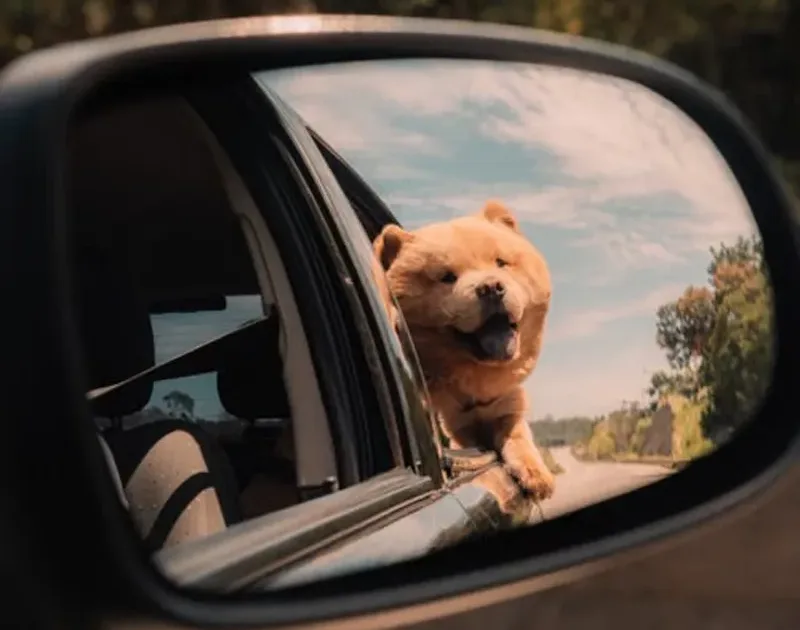
There’s something special about hitting the open road with your dog riding shotgun. From exploring national parks to discovering hidden hiking trails and stopping at roadside attractions, bringing your four-legged companion along can make an ordinary road trip feel like a real adventure. But traveling with a dog requires more planning than packing a weekend bag and filling up the gas tank.
You’ll need to think about everything from car safety and feeding schedules to pet-friendly accommodations and unexpected emergencies. And while some dogs love car rides, others find unfamiliar environments stressful.
The good news? A little preparation can make the journey considerably easier for both of you.
Here’s everything you need to know before taking your dog on your next road trip.
1. Get Your Dog Comfortable With Car Travel
Before committing to a six-hour drive, consider how your dog handles shorter journeys. Some dogs happily jump into the car, while others become anxious, restless, or nauseated.
The Centers for Disease Control and Prevention (CDC, 2026) recommends introducing pets to car travel through short drives before gradually increasing the journey length.
Start with a quick trip around your neighborhood. Once your dog seems comfortable, try a slightly longer drive to somewhere enjoyable, such as a walking trail.
Watch for excessive drooling, whining, trembling, or vomiting. These could indicate motion sickness or anxiety.
If your dog consistently struggles with car journeys, consult your veterinarian before traveling. They can recommend suitable strategies and, when appropriate, medication. Never give your dog human motion sickness medication without veterinary guidance.
2. Plan Your Dog’s Meals Before Leaving Home
Travel can disrupt your dog’s usual feeding schedule, particularly when you’re crossing time zones or spending hours on the highway.
Try to maintain their regular diet and feeding routine as closely as possible. Pack enough of their usual food for the entire journey, plus a little extra in case your return gets delayed. Measure portions beforehand to make feeding easier during overnight stops.
If your dog enjoys meal toppers, you might consider packing familiar options that you’ve already introduced at home.
For example, freeze-dried food toppers are available in proteins such as chicken, beef, duck, and turkey, all from Fresh Is Best. These can add variety to meals, although additional toppers should be accounted for within your dog’s overall diet.
Importantly, these products contain freeze-dried raw ingredients. The CDC (2025) advises against feeding raw pet foods because freeze-drying doesn’t reliably eliminate harmful bacteria, including Salmonella and Listeria.
Discuss raw food products with your veterinarian before using them. If you choose to feed them, follow the manufacturer’s storage instructions, wash your hands, and clean feeding equipment thoroughly.
Avoid introducing unfamiliar foods during the journey. An upset stomach is the last thing you want when you’re miles from home.
3. Keep Your Dog Secure Inside the Vehicle
Letting your dog move freely around the car might seem harmless, but it creates unnecessary risks.
An unsecured dog could distract the driver, interfere with vehicle controls, or suffer injuries during sudden braking.
The CDC (2026) recommends securing dogs in the back seat using an appropriate harness attached to the seat belt or a properly secured crate.
Choose equipment that fits your dog’s size and allows them to sit or lie down comfortably. Look for independently crash-tested restraints where possible.
If you’re using a crate, make sure it’s well-ventilated and securely positioned so it can’t slide during the journey.
Avoid allowing your dog to ride in the front passenger seat, where airbags can pose an additional danger.
And although dogs often love sticking their heads out of car windows, flying debris and sudden movements can cause injuries.
4. Pack a Dedicated Dog Travel Bag
Your dog needs their own travel essentials, just like you do.
Keeping everything together in one easily accessible bag saves you from digging through luggage every time your dog needs something.
Pack the following:
Their usual food, treats, and collapsible bowls.
Bottled water and a portable drinking container.
A comfortable harness, leash, and spare leash.
Waste bags, towels, and pet-safe cleaning supplies.
Regular medications and a basic pet first-aid kit.
A familiar blanket or favorite toy.
Identification tags, vaccination records, and veterinary contact information.
Don’t forget a recent photograph of your dog. It could be useful if you become separated.
The CDC (2026) also recommends microchipping pets and keeping registration details updated before traveling.
5. Schedule Regular Breaks Along the Route
You might happily drive for four hours without stopping, but your dog probably won’t appreciate the same schedule.
Plan regular breaks so they can stretch their legs, drink water, and relieve themselves.
The American Kennel Club (n.d.) recommends stopping every few hours to offer water and toilet breaks.
However, puppies, senior dogs, and dogs with medical conditions may need more frequent stops.
Look for rest areas with designated pet-walking spaces or nearby parks where dogs are permitted.
Keep your dog leashed when exiting the vehicle. Even a normally obedient dog might react unpredictably to unfamiliar traffic, noises, or animals.
A short sniffing walk can also provide mental stimulation before the next stretch of driving.
6. Never Leave Your Dog Alone in a Parked Car
It’s tempting to leave your dog in the car while grabbing coffee or running into a convenience store.
Don’t take the risk.
According to the CDC (2024), temperatures inside a parked vehicle can rise by almost 20°F within the first 10 minutes, even when a window is slightly open.
This can quickly become dangerous, particularly during warmer weather.
Plan food stops around places where dogs are welcome, use drive-through services, or travel with someone who can stay with your dog outside the vehicle.
Remember that extreme cold can also make parked vehicles unsafe.
A quick errand is never worth putting your dog’s health at risk.
7. Research Pet-Friendly Accommodation Before Booking
Not every hotel advertising itself as pet-friendly has the same rules.
Some properties restrict dog sizes or breeds, while others charge additional cleaning fees or limit where pets can go.
Before making a reservation, check the property’s pet policy directly.
Ask about additional charges, whether dogs can be left unattended in rooms, and the availability of nearby walking areas.
For longer stays, vacation rentals with secure outdoor spaces might offer greater flexibility.
It’s also worth researching dog-friendly restaurants, walking trails, and attractions around your destination.
Keep a backup accommodation option available in case your original plans change unexpectedly.
8. Prepare for Unexpected Health Problems
Even a carefully planned road trip can take an unexpected turn.
Your dog might develop an upset stomach, injure a paw, or become unwell after encountering something unfamiliar.
Before leaving, save the contact details of emergency veterinary clinics along your route and near your destination.
Check that vaccinations and parasite prevention are current.
If you’re traveling between U.S. states, research any applicable animal health requirements. The U.S. Department of Agriculture’s Animal and Plant Health Inspection Service (2026) notes that destination states set their own requirements.
Keep your dog’s medical records accessible, preferably both digitally and in paper form.
A little preparation can make an emergency much easier to manage.
Conclusion: Make the Journey as Enjoyable as the Destination
Road-tripping with your dog can be an incredible experience. You get to share new places, spend more time together, and create memories that wouldn’t be quite the same without your four-legged companion.
But the best adventures start with responsible planning.
Keep your dog secure, maintain familiar feeding routines, schedule regular stops, and research your destination before setting off.
Most importantly, pay attention to your dog’s comfort. If they need an extra break or seem overwhelmed, adjust your plans.
After all, a great road trip isn’t about covering the most miles. It’s about enjoying the journey together.
References
American Kennel Club. (n.d.). How to keep your dog comfortable during car rides.
Centers for Disease Control and Prevention. (2024, June 25). Heat and pets.
Centers for Disease Control and Prevention. (2025, January 30). About pet food safety.
Centers for Disease Control and Prevention. (2026, April 15). Pet travel safety.
U.S. Department of Agriculture, Animal and Plant Health Inspection Service. (2026, June 10). Take a pet from one U.S. state or territory to another (interstate).

