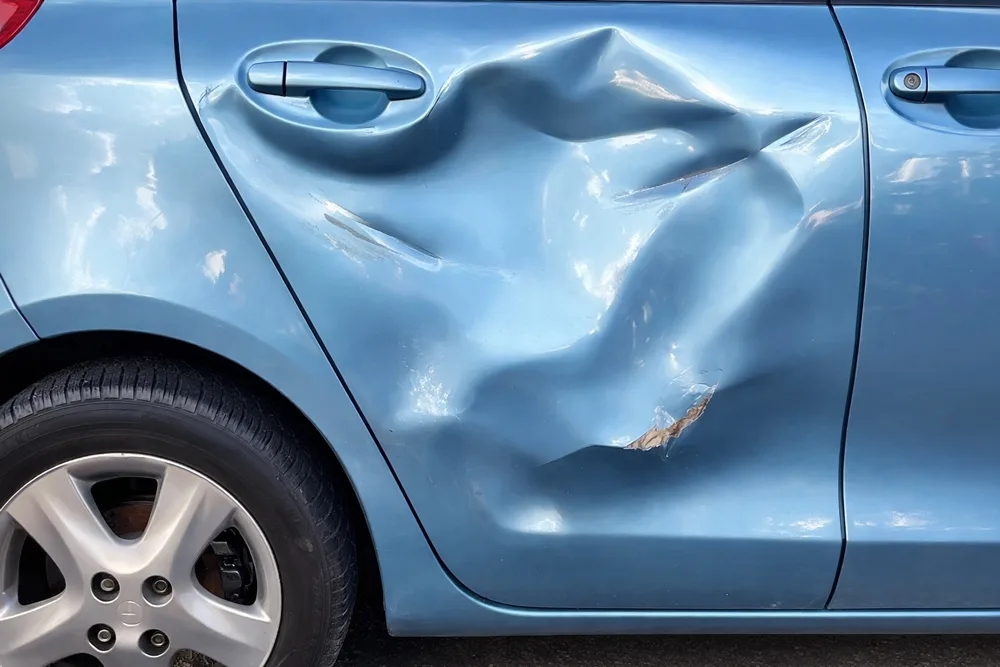
Deciding to get big body work on your vehicle is not an easy one. It has an influence on safety, resale, and your overall driving experience. Most owners are confused when presented with a repair estimate with technical terminologies and costs. One can wait and collect the right information rather than agreeing on the spot.
Avoiding ambiguity in questions will help you know what your car really needs or what it does not need. This will ensure that confusion is avoided, needless costs are not incurred, and confidence is established in the process of repair. Applying the right questions at the right time, you save your vehicle and your budget.
Repair Scope And Convened Damage
Before one signs any estimate, it is always good to know what the technicians have discovered and how they did it. In the event that you are visiting a collision center in san antonio, inquire about the inspection process description and demand a clear list of affected areas. The extent of major body damage may not be limited to the dents and scratches. It can also affect internal components, support structures, and alignment components.
Correct evaluation ought to consist of some writing and, where feasible, photographs depicting the scope of the problem. Realizing the actual amount is one way of knowing that you will not get into more expenses in the future.
How Accurate Is The Initial Estimate Provided
- Ask whether diagnostic tools were used during the inspection process.
- Confirm if structural areas were checked beyond surface damage.
- Request clarity about labor hours and calculation methods used.
- Inquire about possible price changes if new damage appears.
- Verify whether taxes and extra service charges are included.
Quality Of Replacement Components Used
Not all replacement parts are equal. Some facilities use original equipment components, while others may install aftermarket alternatives. You should ask about the type of materials planned for your vehicle. Original parts often match factory standards, but alternative components may reduce cost.
Understanding this difference allows you to decide based on safety and durability. Also, ask if the parts come with manufacturer support or shop-backed protection. Knowing the origin and reliability of these materials helps you maintain performance and long-term value without unnecessary compromise.
What Warranty And Service Guarantees Apply Here
- Confirm the length of coverage offered for paint and body work.
- Ask whether structural repairs include written workmanship assurance.
- Clarify if the warranty remains valid after future minor incidents.
- Ensure documentation is provided for every completed service.
- Understand the steps required to claim support if issues arise.
Timeline And Communication Process
Restoring major parts of the body is also a lengthy process, particularly when a part has to be ordered or the structure has to be aligned. Request a realistic schedule and seek updates at crucial points. Easy communication eliminates stress and maintains expectations. You must be aware of whom you will call during the course of the repair.
Another useful question is to find out how the unexpected delays will be dealt with and whether you will be notified instantly. An open schedule is professional and will avoid frustration as a result of not knowing what to do or being out of touch.
Will Repairs Affect Resale Value Or Insurance Claims
- Ask how documented repairs may influence market evaluation.
- Confirm whether accident history will appear in reports.
- Inquire about insurance coordination during the approval process.
- Check if additional inspections are required by providers.
- Understand how quality work supports long-term asset value.
Safety Standards And Technician Expertise
Serious body damage can compromise critical safety systems such as frame integrity and impact protection zones. Ask whether technicians are trained and certified to handle complex structural restoration. Experience matters when dealing with advanced materials and alignment systems. You can also request information about equipment used for frame correction and paint matching.
Modern tools and skilled professionals increase the likelihood of precise results. Ensuring that the team follows industry standards protects both driver and passengers after the vehicle returns to the road.
Smart Approval Steps
There should never be a hurry or uncertainty in approving of large body restoration. When you thoroughly examine the inspection reports, verify the quality of components and warranties, and learn how to communicate with the recipient, you will have control over the process.
A reputable collision center in san antonio will be readily opened to informed questions, where answers are given without any hesitation. Clarity saves on the costs that might arise and helps to save your investment in the long-run.
When you are willing to be transparent and accountable, you will make sure that your vehicle is taken care of and that all repair choices will be in the best interest of safety, value, and long term performance.
Frequently Asked Questions
- Why should I question a repair estimate carefully?
Because estimates may not include hidden structural concerns that appear later. Asking detailed questions protects you from unexpected expenses.
- Are not aftermarket parts usually of low quality?
Not always. There are other alternatives that are of high standards, yet reliability and coverage of warranty must be checked prior to approval.
- How long do major body repairs typically take?
The schedule will be based on the severity of the damage, availability of parts, and workload. Ask to be provided with a definite timetable.
- Does documented repair history reduce resale value?
It can influence buyer perception. However, high-quality documented work often maintains trust and stability in pricing.