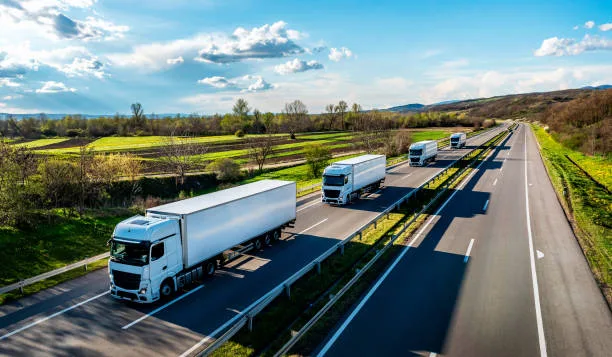
Alabama’s CDL system has three main classes: Class A, Class B, and Class C. The class you need depends mainly on the type and weight of the vehicle you plan to drive and whether you’ll be towing another vehicle.
Choosing the right commercial driver’s license class matters because each one covers different types of commercial vehicles. A Class A CDL generally gives drivers the broadest range of options, while Class B is aimed at heavier single vehicles, and Class C covers certain commercial vehicles that do not fit the first two categories.
Before applying, it is better to understand what each class allows, what endorsements you may need, and how Alabama’s requirements apply to the kind of driving job you want.
Alabama CDL Classes Explained
As said earlier, Alabama uses three commercial driver’s license classes: Class A, Class B, and Class C. Your vehicle’s weight, what you tow, and what you carry determine which class you need.
Class A CDL
A Class A CDL covers combination vehicles, such as a tractor-trailer, when the combination has a gross combination weight rating (GCWR) of 26,001 pounds or more and the towed vehicle has a GVWR over 10,000 pounds.
This is usually the class you need for long-haul trucking. It also offers the widest range of driving privileges. With the proper endorsements, a Class A holder may operate vehicles in Classes B, C, and D.
Class B CDL
A Class B CDL applies to a single vehicle with a GVWR of at least 26,001 pounds. You can also tow a vehicle, but that towed vehicle cannot have a GVWR above 10,000 pounds.
Think of buses, large straight trucks, and some heavy work vehicles. A Class B license can also cover Class C and D vehicles when you have the required endorsements.
Class C CDL
Class C covers commercial vehicles that do not meet the definitions for Class A or B but still meet certain passenger or hazardous-material requirements.
You may need Class C when the vehicle:
- Is designed to carry 16 or more passengers, including the driver.
- Transports hazardous materials that require federal placarding.
Endorsements Can Change What You Can Drive
Your CDL class is only part of the license. You may also need an endorsement for the work you plan to do. Common endorsements include:
- H: Hazardous materials
- P: Passenger vehicles
- N: Tank vehicles
- S: School buses
- T: Double or triple trailers
- X: Tank vehicles carrying hazardous materials
Your license may also include restrictions. For example, a restriction could limit you to vehicles with automatic transmissions or prevent you from operating certain vehicle combinations.
Which CDL Class Do You Need?
Start with the vehicle, not the job title. Check its GVWR and GCWR, then look at what you will tow or transport. A heavy straight truck may require Class B, while a tractor pulling a qualifying trailer generally requires Class A. A passenger or hazardous-material vehicle that falls outside those weight classes may require Class C. The right license depends on the vehicle you will actually drive and the work you will perform.
Key Takeaways
- Class A CDL: Usually required for combination vehicles with a GCWR of 26,001 pounds or more when the towed vehicle exceeds 10,000 pounds GVWR.
- Class B CDL: Covers a single vehicle with a GVWR of 26,001 pounds or more, with limited towing.
- Class C CDL: Covers certain commercial vehicles that fall outside Class A and B but carry 16 or more passengers or transport qualifying hazardous materials.
- Your vehicle determines the CDL class: Check the vehicle’s GVWR, GCWR, and towing weight before choosing a license.
- Endorsements add driving privileges: Passenger, school bus, tank vehicle, hazardous materials, and double or triple trailer operations may require additional endorsements.