Electric bikes have changed what a realistic daily commute can look like, and you can find the best electric bikes for your needs. Trips that feel too long or hilly on a traditional bicycle become manageable with electric assistance, while riders still get fresh air and physical activity. For commuters who want to spend less time sitting in traffic, reduce transportation costs and arrive without feeling exhausted, an e-bike offers a practical middle ground between a bicycle and a car.
The benefits extend beyond getting to work. An e-bike can handle grocery runs, social plans and weekend rides, which makes it useful long after the morning commute ends.
Beyond the Traditional Bicycle
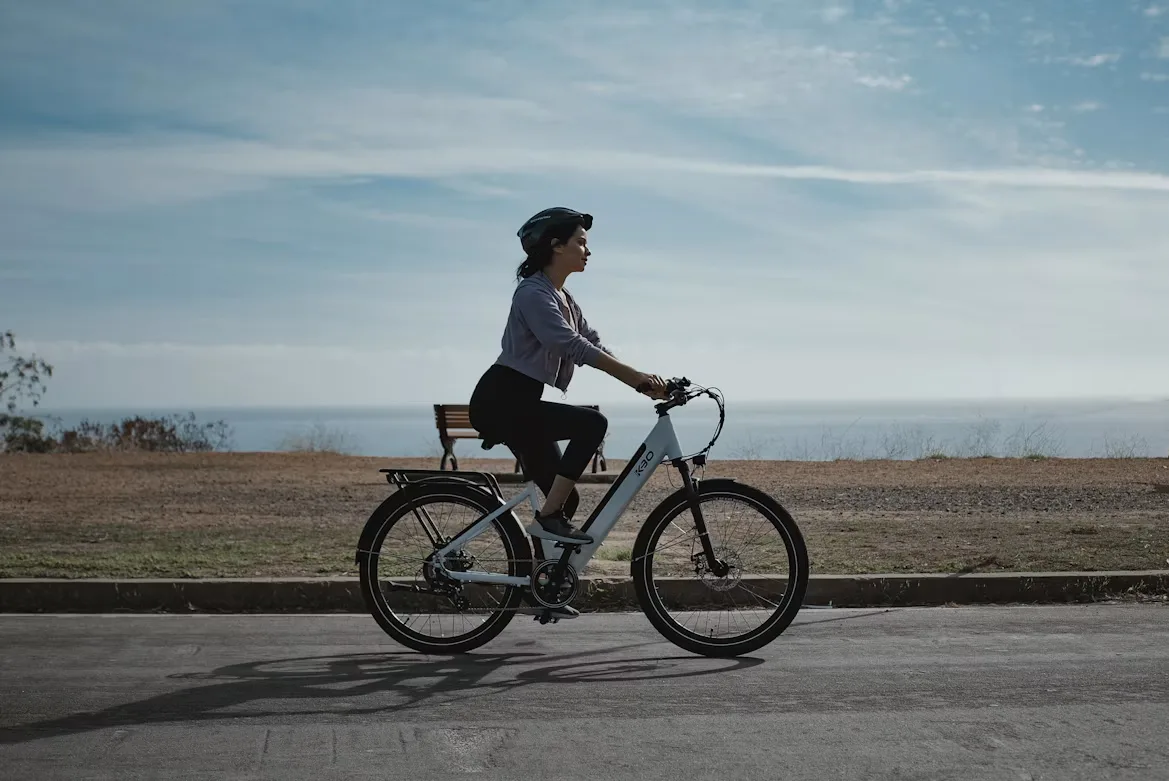
An e-bike pairs familiar bicycle components with a battery-powered motor that assists while you pedal. Depending on the model and selected setting, that support can make acceleration easier, reduce the effort needed on hills and help you maintain a steady pace over longer distances. You remain engaged in the ride while choosing how much assistance suits the route.
This flexibility can expand your idea of a bikeable trip. A five-mile commute with two steep climbs may feel demanding on a conventional bike, especially when you’re carrying a laptop or changing clothes for work. Electric assistance smooths out those difficult sections without removing the basic experience of riding. That ability to make longer trips accessible is one reason riders have described e-bikes as transportation tools instead of treating them solely as recreational equipment.
Before buying, think about how you expect to use the bike most often. Commuter models typically emphasize an efficient riding position and practical accessories. Cargo and utility designs can carry larger loads, while cruiser styles put more focus on comfort. Tire width, frame shape and storage options also affect everyday usability.
Try to test the fit if possible. You should be able to reach the controls comfortably, start and stop with confidence and maintain a relaxed posture during a typical ride.
Efficiency Meets Enjoyment
The right electric bike can turn commuting time into an enjoyable part of the day. You can often predict how long a ride will take because bicycles are less affected by traffic backups. A six-mile urban trip might consistently take 25 to 35 minutes, while the same drive could vary widely during peak hours.
Look at a range of ebike styles with your actual route in mind. A lightweight commuter design may suit an apartment resident who needs to move the bike through a hallway. A utility model could work better for someone carrying groceries or bringing a child to school. Range matters too, but advertised estimates can change based on rider weight, hills, weather, tire pressure and the level of motor assistance.
Independent electric bike testing can help you compare braking, handling, ride quality and real-world range across different designs. Pay particular attention to the testing conditions since a flat test route won’t perfectly represent a hilly commute.
Build a charging routine around your schedule. Many commuters charge at home after several rides, though the best timing depends on battery capacity and mileage. Check the display before leaving and keep the manufacturer’s charger in a dry, accessible place. If your workplace allows indoor charging, confirm its policy before carrying equipment into the building.
Efficiency also comes from small habits. Keep the tires at the recommended pressure, shift into an easier gear before a hill and lower the assistance level on flat sections when you want to conserve battery power.
Navigating City Streets with Ease
City riding becomes easier when you plan for intersections, parked vehicles and changing road conditions. Map the route before your first commute, then look beyond the shortest option. A slightly longer street with a designated bike lane, lower traffic speeds and fewer complicated intersections may produce a calmer ride with more predictable timing.
Practice starting, stopping and turning in a quiet area before joining busy traffic. Electric bikes can be heavier than standard bicycles, so braking distance and low-speed balance may feel different. Learn how each assistance level responds when you begin pedaling. A lower setting often gives you finer control in crowded areas or on shared paths.
Visibility deserves equal attention. The NHTSA bicycle safety guidance advises riders to follow traffic laws, ride in the same direction as traffic and use lights when visibility is limited. Wear a properly fitted helmet and choose clothing that makes you easier to see. Check that front and rear lights are charged before early morning or evening trips.
Watch for vehicle doors along rows of parked cars and leave enough space to react. At intersections, make your intentions clear through positioning and hand signals. Avoid assuming that a driver has seen you, even when you have the right of way.
Weather can also change familiar pavement. Painted lines, metal covers and fallen leaves may become slippery in rain. Reduce speed before turns and apply the brakes smoothly. If conditions feel unsafe, take another transportation option and save the ride for a better day.
Image Credit: Unsplash
A Smart Choice for Modern Lifestyles
An e-bike works best when it fits into your daily routine with minimal friction. Secure storage, charging access and carrying capacity can matter as much as motor performance. Before buying, decide where the bike will stay at home and work. Measure doorways, stairwells and storage spaces since some larger models are difficult to maneuver indoors.
Security requires a practical plan. Use a high-quality lock and attach the frame to a fixed object in a well-lit area. If the battery is removable, take it with you when parking for an extended period. Record the serial number, save purchase documents and photograph the bike from several angles. These details can help with identification if it goes missing.
Calculate ownership costs based on your likely use. Include the purchase price, regular service, replacement tires, a lock and optional accessories such as fenders or racks. Then compare that amount with parking fees, transit fares or the fuel used for short car trips. Savings depend on local costs and how often you ride, so use numbers from your own monthly budget.
Routine maintenance protects that investment. Check tire pressure weekly, inspect the brakes and keep the drivetrain clean. Follow the manufacturer’s instructions for battery storage, especially during periods of extreme heat, cold or inactivity. Schedule professional service if the brakes feel weak, the wheels wobble or the electrical system displays an error.
Also review local e-bike rules before riding. Speed classifications, path access and equipment requirements vary by state and city. Knowing the rules helps you select an appropriate model and avoid discovering restrictions after purchase.
Eco-Friendly Travel Options
Replacing short car journeys with e-bike rides can reduce fuel use and local tailpipe emissions. The impact becomes meaningful through repetition. If you ride four miles to work three days each week, your round-trip total reaches 24 miles. Over 45 working weeks, that adds up to more than 1,000 miles that may no longer require a car.
An electric bike still has an environmental footprint. Batteries and frames require materials and energy to produce, while charging draws electricity from the local grid. Long-term use, careful maintenance and proper battery handling help you get more value from those resources. Follow local recycling guidance when a battery reaches the end of its usable life, and never place it in household trash.
Consider combining an e-bike with other transportation when a full ride isn’t practical. You might cycle to a transit stop, use public transportation for the longest part of the route and ride again at the destination where permitted. Another option is using the bike for neighborhood errands while keeping a car for occasional long-distance travel. Small substitutions are easier to sustain when they fit naturally into your schedule.
Start with one route you already know well. Ride it on a day without a strict arrival time, note the battery use and identify comfortable places to stop or lock up. That trial run will tell you far more than a range estimate alone and may reveal that your regular commute is shorter, simpler and more enjoyable on two wheels.