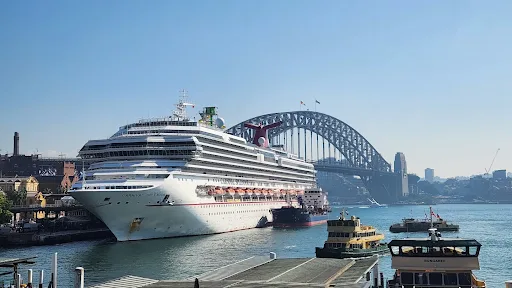
Modern cruise ships carry more than 30 million passengers annually according to the Cruise Lines International Association’s 2024 industry report, making cruising one of the fastest-growing segments of the travel industry. Yet beneath the polished marketing of endless buffets and pristine pools lies a complex safety infrastructure that most passengers never see — and rarely understand until something goes wrong.
The cruise industry operates in international waters where maritime law governs emergency response, medical care, and passenger protection. Unlike hotels on land where local emergency services respond within minutes, cruise ships function as floating cities that must be completely self-sufficient for days at a time. When passengers board without understanding basic safety protocols or the ship’s emergency capabilities, they’re essentially trusting their wellbeing to systems they know nothing about.
For anyone planning a cruise in 2025, the difference between being an informed passenger and a passive tourist can determine how safely you navigate everything from routine safety drills to actual emergencies. Understanding what happens behind the scenes — and what role you play in your own protection — transforms cruising from blind faith into educated enjoyment.
Why Understanding Cruise Safety Matters Today
The cruise industry has undergone dramatic safety improvements since high-profile incidents like the Costa Concordia in 2012, but passengers who understand current safety realities make fundamentally different decisions than those operating on outdated assumptions. Modern cruise ships incorporate advanced technology, stricter international regulations, and enhanced crew training protocols that didn’t exist a decade ago — yet the effectiveness of these systems still depends heavily on passenger awareness and cooperation.
Consider what happens during a typical medical emergency at sea: the ship’s medical facility handles everything from heart attacks to broken bones using equipment comparable to a small-town hospital, but with no option for immediate evacuation to advanced care. Passengers who understand these limitations pack appropriate medications, avoid high-risk activities when far from shore, and recognize symptoms that require immediate attention rather than waiting to “see how they feel tomorrow.”
The regulatory environment has also shifted significantly. The International Maritime Organization’s updated Safety of Life at Sea (SOLAS) convention now requires enhanced evacuation systems, improved fire suppression technology, and more rigorous crew training standards. Ships built after 2014 meet substantially different safety requirements than older vessels, yet most passengers book based on amenities rather than safety certifications.
Weather-related incidents have become increasingly relevant as cruise routes expand into previously avoided regions. Ships now navigate areas with more severe weather patterns, and passengers who understand how severe weather affects everything from balcony safety to port cancellations make more informed choices about cabin selection, activity participation, and travel insurance.
What many passengers don’t realize is that their own behavior significantly impacts overall ship safety. Cruise ships operate on carefully calculated weight distributions, emergency evacuation timing, and passenger movement patterns. When passengers ignore safety briefings, overcrowd certain areas, or fail to follow basic protocols, they create ripple effects that can compromise safety systems designed to protect everyone aboard.
How Cruise Ship Safety Systems and Protocols Work
Modern cruise ships integrate multiple layers of safety technology that work together to prevent accidents and respond effectively when incidents occur. The ship’s bridge operates sophisticated radar and GPS systems that track weather patterns, other vessels, and potential hazards in real-time, while automated stability systems continuously adjust ballast water to maintain proper balance regardless of passenger movement or weather conditions.
Fire suppression represents one of the most critical safety systems aboard any cruise ship. Advanced detection networks monitor air quality in every cabin and public space, triggering immediate alerts when smoke or unusual heat signatures appear. The suppression system can isolate affected areas within minutes, cutting off oxygen supply to prevent spread while protecting escape routes. Passengers should understand that when fire alarms sound, the ship’s systems are already analyzing the threat and deploying countermeasures — but evacuation speed still depends on passengers knowing their nearest exits and muster stations.
The ship’s medical capabilities function as a floating emergency room equipped to handle trauma, cardiac events, and surgical procedures. Most large cruise ships employ doctors and nurses trained in maritime medicine, with equipment including X-ray machines, cardiac monitors, and surgical suites. However, the medical staff operates under significant constraints: no immediate access to specialist consultations, limited pharmaceutical supplies, and potential weather delays for helicopter evacuations. Passengers with serious medical conditions need to understand these limitations when deciding whether cruising is appropriate for their health status.
Communication systems on modern cruise ships maintain constant contact with coast guard services and maritime rescue coordination centers worldwide. Satellite technology enables real-time consultation with shoreside emergency services, allowing onboard medical staff to receive specialist guidance during critical situations. These same systems coordinate with rescue vessels and aircraft when passenger evacuations become necessary.
Emergency Procedures and Safety Drills on Cruise Ships
The mandatory safety drill that occurs before every cruise departure serves a specific purpose beyond regulatory compliance — it familiarizes passengers with evacuation routes, muster station locations, and life jacket procedures that could save their lives during an actual emergency. The drill timing isn’t arbitrary; it happens when passengers are still alert, haven’t consumed alcohol, and can focus on learning rather than entertainment.
During the drill, passengers learn their assigned muster station based on their cabin location. This assignment considers weight distribution, evacuation timing, and lifeboat capacity to ensure organized evacuation rather than chaos. The seemingly simple instruction to “proceed directly to your muster station” actually reflects complex logistics: each route is designed to prevent bottlenecks, distribute passenger loads evenly, and provide multiple alternative paths when primary routes become blocked.
Life jacket procedures taught during drills address specific maritime survival challenges. Unlike airline safety demonstrations, cruise ship life jackets are designed for extended survival in open water, with features including whistles, lights, and flotation designed to keep unconscious passengers face-up. The demonstration teaches proper fitting because incorrectly worn life jackets can be worse than no life jacket — they provide false confidence while failing to protect adequately.
The crew’s role during emergencies extends far beyond crowd control. Trained crew members staff specific emergency stations, operate safety equipment, and coordinate with bridge personnel to execute evacuation procedures. When passengers understand that crew instructions during emergencies reflect predetermined safety protocols rather than arbitrary requests, compliance improves significantly. The crew isn’t making up procedures in the moment — they’re following extensively practiced emergency response plans.
Essential Passenger Safety Guidelines for a Secure Cruise
Smart cruise preparation begins long before boarding, with decisions that directly impact your safety throughout the voyage. Medical preparation deserves particular attention since cruise ships operate far from advanced medical facilities for extended periods. Passengers taking prescription medications should pack at least twice the amount needed for the trip duration, keeping medications in carry-on luggage rather than checked bags that might be delayed. Travel insurance specifically covering medical evacuation from international waters becomes essential rather than optional when you understand the costs and logistics of emergency medical transport from mid-ocean.
Research your specific itinerary’s risk factors rather than assuming all cruises present identical safety profiles. Caribbean routes during hurricane season, Mediterranean cruises during winter storms, and Alaska passages through challenging waters each require different preparation strategies. Weather-related port cancellations aren’t just inconveniences — they can indicate sea conditions that affect passenger safety, particularly for those prone to seasickness or mobility issues.
Preparing Before and During Your Cruise
Pre-cruise safety preparation involves practical decisions that many passengers overlook. Cabin selection affects safety in ways that go beyond price and view. Interior cabins eliminate balcony-related risks but may complicate evacuation in certain emergency scenarios. Balcony cabins provide potential evacuation advantages but require understanding balcony safety protocols, particularly regarding furniture placement and barrier integrity. Lower deck cabins typically offer faster evacuation access but may experience greater motion during rough weather.
Packing strategies should reflect the ship’s safety protocols and your personal risk factors. Closed-toe shoes aren’t just dress code requirements — they protect feet during emergency evacuations when broken glass or debris might litter walkways. Passengers should pack medications for seasickness even if they’ve never experienced motion sickness before, since cruise ship motion differs significantly from other forms of transportation.
During the cruise, situational awareness helps passengers identify and avoid potential safety risks before they become serious problems. Understanding deck layouts, noting emergency equipment locations, and observing crew safety procedures provide valuable context for making smart decisions about activities and movement around the ship. When severe weather affects ship operations, passengers who understand the relationship between safety protocols and weather conditions make better choices about venturing onto outdoor decks or participating in activities.
Port safety requires different awareness than shipboard safety. In many cruise destinations, local infrastructure, medical facilities, and emergency response capabilities differ significantly from what passengers expect. Beyond the physical recovery process of any serious incident, navigating insurance claims and determining liability in foreign jurisdictions often requires legal help for cruise accidents in Miami — particularly when incidents involve complex maritime law and international regulations.
Personal security in ports involves understanding local conditions, staying within recommended areas, and maintaining awareness of your surroundings. Cruise lines provide port safety information, but passengers who research destinations independently gain better perspective on realistic safety considerations versus overly cautious warnings that might limit enjoyable experiences.
How to Evaluate Cruise Line Safety and Regulatory Standards
Cruise line safety records provide valuable insight into operational standards, but interpreting this information requires understanding what different metrics actually measure. The U.S. Coast Guard’s inspection database tracks safety violations, emergency response capabilities, and maintenance standards for ships operating from U.S. ports, but these records reflect regulatory compliance rather than passenger satisfaction or service quality.
International safety certifications tell a more comprehensive story about ship safety standards. The International Safety Management (ISM) Code certification indicates that a cruise line has implemented systematic safety management procedures covering everything from emergency response training to equipment maintenance protocols. Ships operating without current ISM certification face significant restrictions and increased scrutiny from port authorities worldwide.
Age and construction standards significantly impact ship safety capabilities. Vessels built after 2014 must meet enhanced SOLAS requirements including improved evacuation systems, advanced fire suppression technology, and upgraded emergency power systems. While older ships can be retrofitted to meet current standards, the integration of safety systems in newer vessels typically provides more comprehensive protection.
Cruise lines’ transparency about safety incidents and response procedures offers insight into their safety culture beyond regulatory compliance. Companies that openly discuss safety improvements following incidents, invest in crew training programs, and provide detailed emergency procedure information to passengers typically maintain higher safety standards than those that minimize safety communications.
The regulatory environment varies significantly depending on the ship’s flag state, operating regions, and departure ports. Ships registered in countries with rigorous maritime safety oversight face more frequent inspections and stricter enforcement than those operating under flags of convenience. Passengers can research flag state safety records through the International Maritime Organization’s member state audit reports, though this level of research exceeds what most casual cruisers consider necessary.
Understanding these regulatory frameworks helps passengers make informed decisions about cruise lines and specific ships, but the most important safety factor remains passenger awareness and cooperation with established safety protocols. No amount of advanced technology or regulatory oversight can substitute for passengers who understand their role in maintaining safe cruise operations.
When evaluating cruise options, focus on recent safety performance, current certifications, and the cruise line’s approach to safety communication rather than relying solely on price or amenities. The safest cruise experience results from choosing reputable operators and remaining actively engaged with safety procedures throughout your voyage.