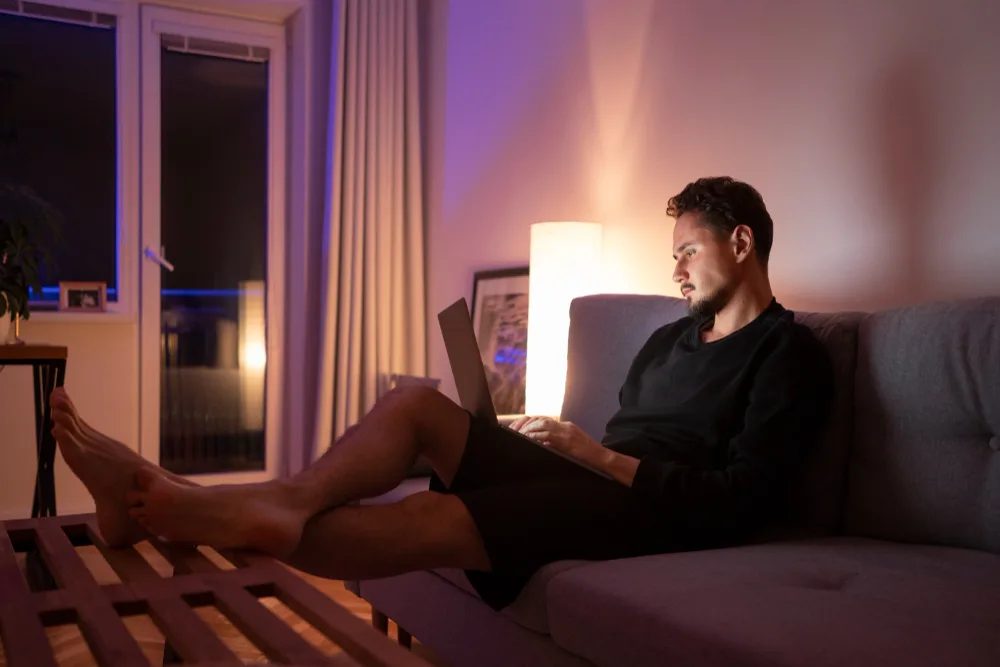
A good night at home can feel better than going out, but only when it is planned as an experience rather than treated as the default option. The appeal is not simply saving money or avoiding a drive. A satisfying night in gives you control over food, sound, lighting, pace, and company without the queues or noise that come with a busy venue.
That flexibility matters when the evening already has a focal point. For someone following the NFL playoff picture, a quick look at BetNow’s playoff odds can sit naturally beside watching the game, talking with friends, or making another drink. The screen supports the evening instead of becoming the evening, so the phone can go back down once the information has been checked.
Start with One Clear Plan
A weak night in often fails because nothing has actually been chosen. People open several streaming apps, scroll through restaurant menus, check social feeds, and lose half an hour deciding what to do. Going out usually imposes structure automatically. Staying home works better when you create a little of that structure yourself.
Pick the main activity first. It might be a movie, a game, a record you have wanted to hear properly, or dinner with friends. Then build the rest of the evening around it.
A simple plan can be enough:
- Choose the main activity before the evening starts.
- Decide whether food is part of the event or just something easy to eat.
- Put phones on charge and remove unnecessary notifications.
- Set a rough start time so the night does not disappear into scrolling.
The aim is not to schedule leisure. It is to remove small decisions once you are trying to relax.
Make the Food Easier Than Going Out
Home food has one major advantage: it can match the evening exactly. That does not mean cooking a complicated dinner. Food that needs constant attention can make staying home feel like work.
For a movie or game night, choose dishes that can be prepared before everyone settles in. Tacos, flatbreads, wings, sandwiches, or a snack board are easier to manage than several courses. If dinner is the main event, spend more time cooking and make entertainment secondary.
The same rule works for drinks. Rather than trying to copy a full bar, keep the choice narrow:
- One dependable cocktail or highball.
- Beer, wine, or a good alcohol free option.
- Plenty of cold water within reach.
For anyone who enjoys mixing drinks at home, a cocktail guide built around approachable tiki recipes shows how fresh juices, syrups, and a manageable set of recipes can make preparation part of the evening rather than another chore. A small number of drinks made properly often adds more than an overloaded bar.
Sound and Lighting Change the Room Fast
Furniture matters, but atmosphere can often be improved without buying anything. Bright overhead lighting makes a living room feel functional rather than relaxed, while very low light can make eating or moving around awkward.
Use the room in layers:
- Keep one soft source of ambient light on.
- Place a lamp near seating if anyone will read or use a tablet.
- Reduce glare on the television rather than making the whole room dark.
- Keep music low enough that conversation remains easy.
Audio deserves similar attention. For movies, clear dialogue matters more than maximum volume. For music, a modest speaker placed well can sound better than a louder system pushed into a poor position. The goal is not to turn the room into a cinema or club. It is to make the space comfortable enough that nobody has to fight the environment.
Free Time Feels Better When It Is Not Fragmented
A good night in also matters because leisure time is limited. The U.S. Bureau of Labor Statistics reported in its 2025 American Time Use Survey that people age 15 and older averaged about 5.2 hours a day on leisure and sports activities. Watching television took roughly 2.6 hours, about half of that total.
The same data show that adults ages 35 to 44 averaged 3.9 hours of leisure and sports activity per day, less than the other age groups reported. When free time is finite, constantly switching between feeds, shows, messages, and errands can make an evening feel shorter than it was.
A better approach is to reduce that fragmentation:
- Do not run a movie while scrolling through unrelated feeds.
- Avoid adding errands once the evening has started.
- Leave time for conversation before or after the main activity.
Comfort Beats Constant Stimulation
The strongest advantage of staying home is control. You choose the volume, temperature, food, seating, and timing. More importantly, you can stop adding things.
One clear activity, food that suits it, decent sound, comfortable lighting, and a little preparation create an evening with its own rhythm. Going out still offers energy and novelty, but staying home works when it feels like a choice rather than a fallback. The best night in feels intentional without feeling complicated.

