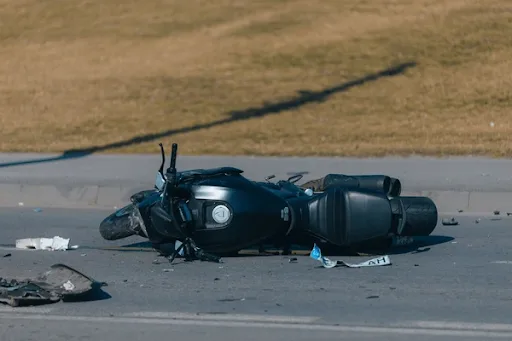
If a witness blames the motorcyclist for a crash, remain calm, avoid arguing, preserve available evidence, and provide an accurate account of what happened. A witness’s statement does not automatically establish who caused the accident, as investigators and insurance companies must consider the available evidence before determining fault.
Collecting photographs, contact information, and other relevant records can help clarify the circumstances of the collision. Consulting a motorcycle accident attorney can also help you understand your legal options if a witness provides inaccurate or misleading information.
Stay Calm and Avoid Confrontation
A witness may have seen only part of the accident or misunderstood the events leading up to the collision. Even if their account appears unfair, avoid arguing, threatening the witness, or pressuring them to change their statement. Confrontational behavior can make the situation more stressful and may complicate the investigation.
Instead, focus on your safety and seek medical attention if necessary. Contact law enforcement when appropriate and explain your account clearly and truthfully. If officers interview witnesses, allow them to collect the statements without attempting to influence what others say.
Gather Evidence to Support Your Account
Physical evidence can help establish what happened before, during, and after the crash. If it is safe to do so, photograph the vehicles, road conditions, traffic signals, skid marks, debris, and visible injuries. Record the location, time, weather conditions, and any other details that may be relevant.
Look for nearby businesses or properties with security cameras that may have captured the collision. Dashcam footage, helmet-camera recordings, and photographs taken by other road users may also provide useful information. Because some recordings are automatically deleted, request that relevant footage be preserved as soon as possible.
Keep copies of medical records, repair estimates, and accident-related expenses. These documents can help demonstrate the consequences of the crash and support your account of the incident.
Identify Other Witnesses
One witness’s interpretation may not reflect everything that occurred. If other people saw the collision, obtain their names and contact details when possible. Independent witnesses may provide additional perspectives on vehicle speed, traffic conditions, lane positioning, and the actions of everyone involved.
Do not coach witnesses or ask them to coordinate their stories. Each person should describe what they actually observed. If the case proceeds to an insurance investigation or legal dispute, independent and consistent accounts may help investigators evaluate conflicting statements.
Understand How Fault Is Determined
A witness’s opinion is only one part of the evidence considered when determining responsibility for a motorcycle accident. Investigators may examine vehicle damage, physical evidence, traffic laws, surveillance footage, and the statements of everyone involved.
For example, California’s comparative negligence framework, reflected in Li v. Yellow Cab Co. (1975), 13 Cal.3d 804, allows responsibility for an accident to be apportioned among parties according to their respective fault. Depending on the jurisdiction, a motorcyclist may still recover damages even if partially responsible, although compensation may be reduced accordingly.
The applicable rules vary by state, so the impact of a witness’s accusation depends on the location of the crash and the evidence available.
Be Careful When Communicating With Insurers
Notify your insurance company as required by your policy and provide truthful, factual information. Avoid guessing about details you cannot remember or accepting blame simply because a witness accuses you of causing the accident.
Keep copies of correspondence, claim forms, photographs, and any statements you provide. If an insurer relies heavily on a disputed witness account, ask what additional evidence was considered when evaluating fault. Before providing a recorded statement to another party’s insurer, consider obtaining legal advice.
Key Takeaways
- Stay calm and avoid confronting a witness who blames you.
- Photograph the scene and preserve relevant recordings and documents.
- Collect contact information from independent witnesses.
- Remember that one person’s statement does not automatically determine fault.
- Communicate honestly with insurers and keep records of all interactions.
- Consider legal guidance if disputed testimony threatens your compensation claim.