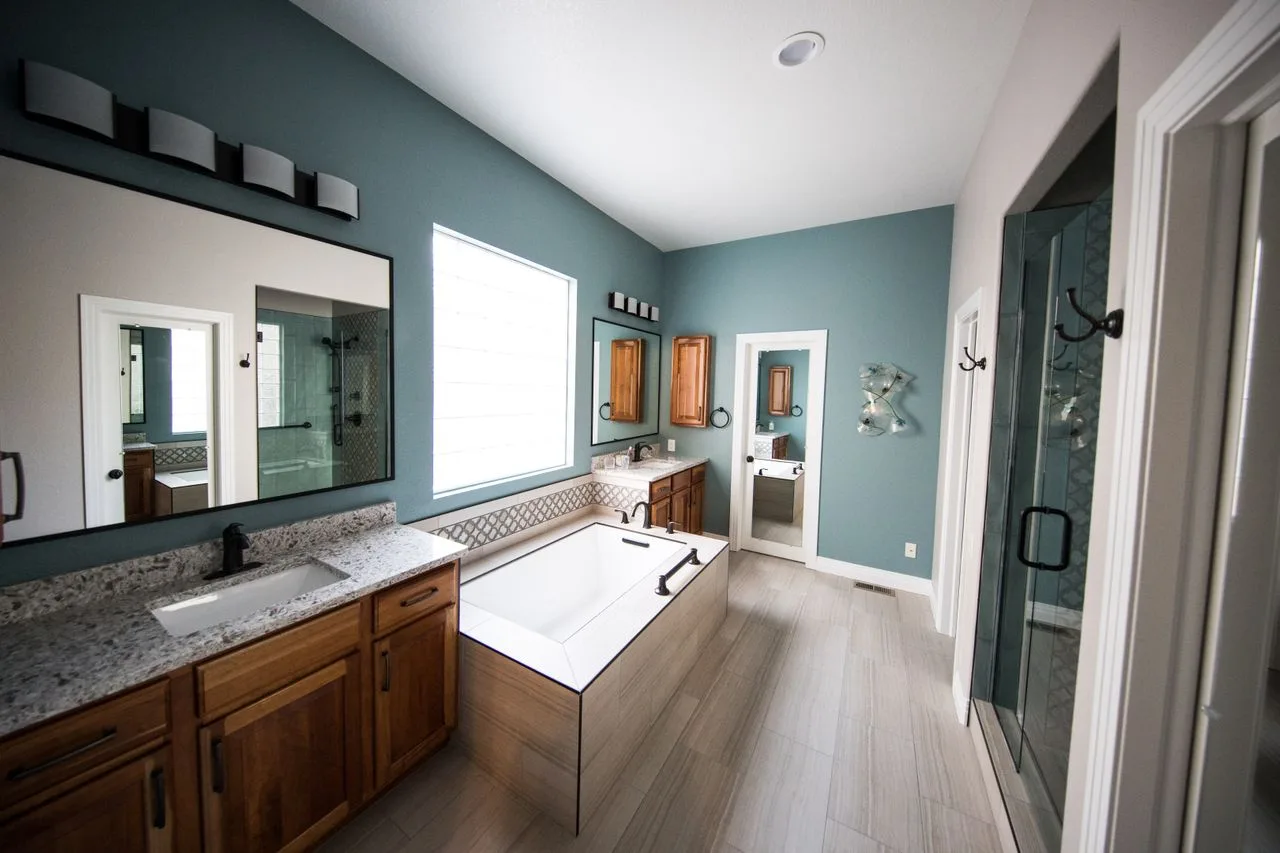
Your bathroom gets used every day, but it usually stays low on the upgrade list until something starts failing, looking dated, or making mornings more annoying than they need to be. A smart remodel can improve comfort, storage, safety, and even resale appeal. The trick is knowing where your money should go, what tends to go wrong, and how to make choices you won’t regret six months after the grout dries.
Set a Budget That Includes the Sneaky Costs
Bathroom remodeling has a talent for looking simple on paper and getting complicated fast. Tile, labor, plumbing updates, waterproofing, and permits add up quickly. Even a small bathroom can chew through a budget if you move fixtures or uncover hidden damage.
Break your budget into categories:
– Demolition and disposal
– Plumbing and electrical work
– Flooring and wall materials
– Vanity, sink, toilet, and shower or tub
– Lighting and mirrors
– Labor and permits
– A contingency fund of 10 to 20 percent
That last part matters more than people think. Once walls open up, contractors sometimes find leaks, old wiring, or framing issues. Those discoveries are not exciting, but ignoring them is the home-renovation version of “I’ll deal with it later.” If you’re researching options for bathroom remodeling, having a realistic number in mind helps you compare choices without getting dazzled by showroom perfection.
Start With the Problems You Actually Need to Solve
A good bathroom remodel begins with honesty. Not the dreamy mood-board version. The real version. What bothers you every day? Maybe your shower feels cramped, the vanity has no storage, or the lighting makes you look like you’ve been awake for 72 hours.
Make a short list of issues before you pick finishes:
– Poor layout or wasted space
– Water damage or mold concerns
– Old fixtures that waste water
– Slippery flooring
– Bad ventilation
– Not enough outlets, storage, or light
This step keeps you from spending money on cosmetic upgrades while larger problems sit behind the walls plotting their comeback. If your bathroom is used by kids, older adults, or multiple people during busy mornings, function matters even more. A room that looks sleek but works badly turns into an expensive daily irritation.
Choose a Layout That Fits How You Use the Space
A bathroom’s layout decides whether the room feels efficient or awkward. You can have beautiful tile and premium fixtures, but if the door smacks the vanity or two people can’t move around comfortably, the whole design loses points.
Think about your routine:
– Do you need double sinks, or just better counter space?
– Would a walk-in shower work better than a tub?
– Is the toilet placed too visibly from the doorway?
– Could recessed shelving free up floor space?
Keeping plumbing in the same general location usually saves money. Moving a toilet or shower drain can raise labor costs fast. In small bathrooms, wall-mounted vanities and glass shower panels often make the room feel larger. In family bathrooms, durability may matter more than creating a spa vibe. Good design is less about square footage and more about eliminating friction in your everyday routine.
Pick Materials That Can Handle Heat, Moisture, and Real Life
Bathrooms are hard on surfaces. Steam, water splashes, cleaning products, and constant use punish cheap materials. A finish that looks amazing in a photo may perform badly in an actual home where people shower, shave, spill things, and somehow get toothpaste everywhere.
Good material choices often include:
– Porcelain tile for floors and shower walls
– Quartz countertops for low maintenance
– Moisture-resistant paint
– Solid hardware finishes that resist corrosion
– Slip-resistant flooring with some texture
Natural stone looks great, but it can require more sealing and maintenance. Glossy floors may seem polished, yet they can become slick when wet. Matte finishes often hide smudges better. If you want a trendy look, use it in places that are easier to swap later, like mirrors, lighting, or paint color. Save your larger investments for materials that are durable, cleanable, and not likely to age badly in two years.
Think About Storage Before the Counters Get Buried
A bathroom can look organized for exactly one day if there’s nowhere to put your stuff. Storage should fit what you actually use, not an imaginary minimalist version of yourself who owns one towel and a single skincare product.
Useful storage ideas include:
– Vanity drawers instead of deep cabinets
– Recessed medicine cabinets
– Shower niches for soap and shampoo
– Tall linen cabinets for towels and extras
– Hooks for robes and daily-use items
Drawers are often better than lower cabinets because they make it easier to reach smaller items without crouching like you’re entering a cave. Open shelving can look stylish, but it also collects dust and puts clutter on display. If your bathroom is small, vertical storage helps a lot. Good storage planning makes the room easier to clean and keeps surfaces from becoming a chaotic museum of half-used bottles.
Plan for Safety, Efficiency, and Long-Term Value
The smartest remodels do more than improve appearance. They also make the bathroom safer, more efficient, and easier to live with over time. That matters whether you plan to stay in your home for years or eventually sell.
Look for upgrades with practical payoff:
– Water-efficient toilets and showerheads
– Grab bars or blocking for future installation
– Curbless or low-threshold showers
– Comfort-height toilets
– GFCI outlets near water sources
– Easy-clean surfaces and fixtures
Universal design features don’t need to look clinical. Many now blend into modern aesthetics without making the room feel institutional. Energy-efficient lighting and low-flow fixtures can reduce utility use without sacrificing performance. Buyers also notice updated bathrooms because they signal fewer near-term repairs. A remodel with lasting value balances style with choices that still make sense after trends shift and your needs change.

