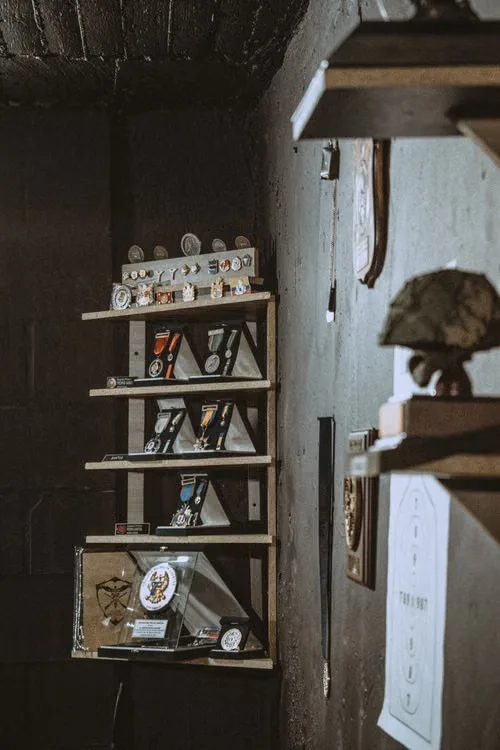
When planning an event, it is easy to focus on practical details first: capacity, location, catering, parking and price. These factors matter, of course, but they do not necessarily determine whether an occasion feels memorable. A venue can meet every logistical requirement and still leave guests cold.
What often makes the difference is character.
A venue with a distinct personality gives an event an atmosphere before the first guest arrives. It influences how people move through the space, how they interact and what they remember afterwards. Whether you are organising a milestone birthday, a wedding reception, a company gathering or a private dinner, the right setting should do more than accommodate your plans. It should help bring them to life.
What does “character” mean in a venue?
Character is not simply a matter of age or ornate decoration. A modern gallery, a converted warehouse and an intimate restaurant can all have character, provided they possess a clear sense of identity.
That identity might come from the building’s history, its architecture, its interiors or the way the space is used. Original features, unusual layouts, carefully chosen lighting and thoughtful furnishings can all contribute. Even a relatively simple room can feel distinctive if its design is coherent and considered.
The key is authenticity. Guests tend to respond to spaces that feel genuine rather than heavily staged. A venue with character does not need to be extravagant. It needs to feel like somewhere people would want to spend time.
This is particularly important because a venue forms the backdrop to photographs, conversations and shared experiences. Its visual and emotional impact continues long after the event itself.
The atmosphere begins before the event
One advantage of a characterful venue is that it establishes expectations from the moment guests arrive. The entrance, exterior, surrounding streets and first view of the room all contribute to the experience.
Consider the difference between walking into a blank function room and entering a space with warm lighting, textured walls, interesting furnishings and a clear relationship between its different areas. In the second setting, people often relax more quickly. They have something to look at, talk about and explore.
Atmosphere also affects the pace of an event. A dramatic room with high ceilings may suit a lively reception, while a smaller, layered space may be better for intimate dining. Neither is inherently superior. The important question is whether the venue’s personality supports the mood you want to create.
Before making a decision, imagine the event as a guest would experience it. What will they see when they arrive? Where will they naturally gather? Is there somewhere quieter for conversation? Can the layout shift as the occasion progresses?
Character can make an event feel personal
A distinctive setting gives you a stronger foundation for personalisation. Rather than having to transform an anonymous room with extensive décor, you can build on what is already there.
For example, a venue with rich architectural details may need little more than carefully selected table arrangements and lighting. A space with a strong food or cultural identity might inspire the menu, entertainment or styling. Meanwhile, a venue with flexible rooms can allow different parts of the event to have their own tone.
This does not mean every detail must match the venue perfectly. Some contrast can be effective. A contemporary installation in a historic room, or colourful florals against a restrained interior, can create visual interest. Character gives you something to respond to creatively.
For hosts planning a celebration in the capital, finding the right setting may involve looking beyond conventional hotel function rooms. A London venue for private celebrations with a distinctive atmosphere can provide a more engaging backdrop for birthdays, anniversaries and gatherings where the setting is expected to feel as special as the occasion.
A memorable venue supports better guest interaction
People rarely remember an event solely because of its seating plan. They remember how it felt to be there and who they connected with.
Venue character can encourage that sense of connection. Spaces with distinct zones allow guests to move naturally between activities: perhaps a central area for dining, a bar for informal conversation and a quieter corner for catching up. This is often more effective than placing everyone in one large room and expecting the atmosphere to develop on its own.
Look beyond the main room
When viewing a venue, pay attention to the less obvious spaces. Where will guests wait before being seated? Is there a private area for speeches or presentations? Can food and drinks be served without interrupting conversations?
Small details can have a disproportionate effect. Good acoustics make it easier to talk. Comfortable seating encourages guests to stay longer. Appropriate lighting can make an evening feel warm and intimate rather than clinical.
Ask the venue team how the space works during a real event, not just how it appears in an empty viewing. A room may look impressive but prove awkward when occupied by tables, entertainment equipment and service staff.
Practical considerations still matter
Choosing character should not mean overlooking function. The most successful venues combine personality with reliable event infrastructure.
Check the capacity for your preferred layout rather than relying on the maximum standing number. Confirm what is included in the hire fee, from furniture and staffing to sound equipment and cleaning. If catering is involved, ask how menus are handled and whether dietary requirements can be accommodated without compromising quality.
Accessibility should also be part of the conversation. Consider step-free access, accessible toilets, transport links and the ease with which older guests or anyone with mobility needs can navigate the building.
It is equally important to understand restrictions. Some venues may limit amplified music, external suppliers, decoration or event timings. These policies are not necessarily drawbacks, but they should be clear before you commit.
How to judge whether a venue has the right character
A venue can be attractive and still be wrong for your event. The best choice is one whose personality aligns with the occasion and your guests.
Ask yourself:
- Does the space suit the mood you want to create?
- Will guests feel comfortable staying there for several hours?
- Are its distinctive features genuine and well maintained?
- Can the layout support the way people will eat, talk and celebrate?
- Does the venue give you room to add personal touches without fighting its existing design?
Trust your response when you walk in. If you immediately start imagining the event taking place there, that is useful information. If you find yourself mentally covering every wall and replacing every piece of furniture, the venue may be asking you to solve the wrong problem.
Ultimately, character is about more than aesthetics. It is the quality that turns a venue from a container into part of the occasion. A thoughtfully chosen space can shape the mood, encourage connection and make even a relatively simple gathering feel considered.
Practical details will determine whether an event runs smoothly. Character determines whether it feels like your event. That is why, when comparing venues, the most memorable choice is often not the biggest or newest option, but the one with a sense of place.