More than 60 million students are enrolled in schools across the country, and a growing number now follow a more traditional learning path as the landscape of American education undergoes a significant shift. Parents are moving away from experimental digital models in favor of structured, time-tested environments that prioritize core academic mastery. This transition reflects a growing desire for stability and a return to the fundamentals of literacy and numeracy.
What’s Happening Now
The modern classroom often feels like a laboratory for the latest tech trends, yet many families find that these innovations leave gaps in foundational knowledge. When students spend more time navigating software than engaging with a teacher, the depth of their understanding frequently suffers. Data from the OECD Education Outlook 2025 indicates a measurable decline in foundational skills across several developed nations, prompting a global re-evaluation of how children actually learn best.
Choosing a school is no longer just about proximity to home or modern facilities. Families are looking for institutions that value character development alongside high test scores. This holistic approach ensures that children are not just learning how to pass an exam, but how to think critically and behave with integrity within a community.
Why Traditional Structures Win
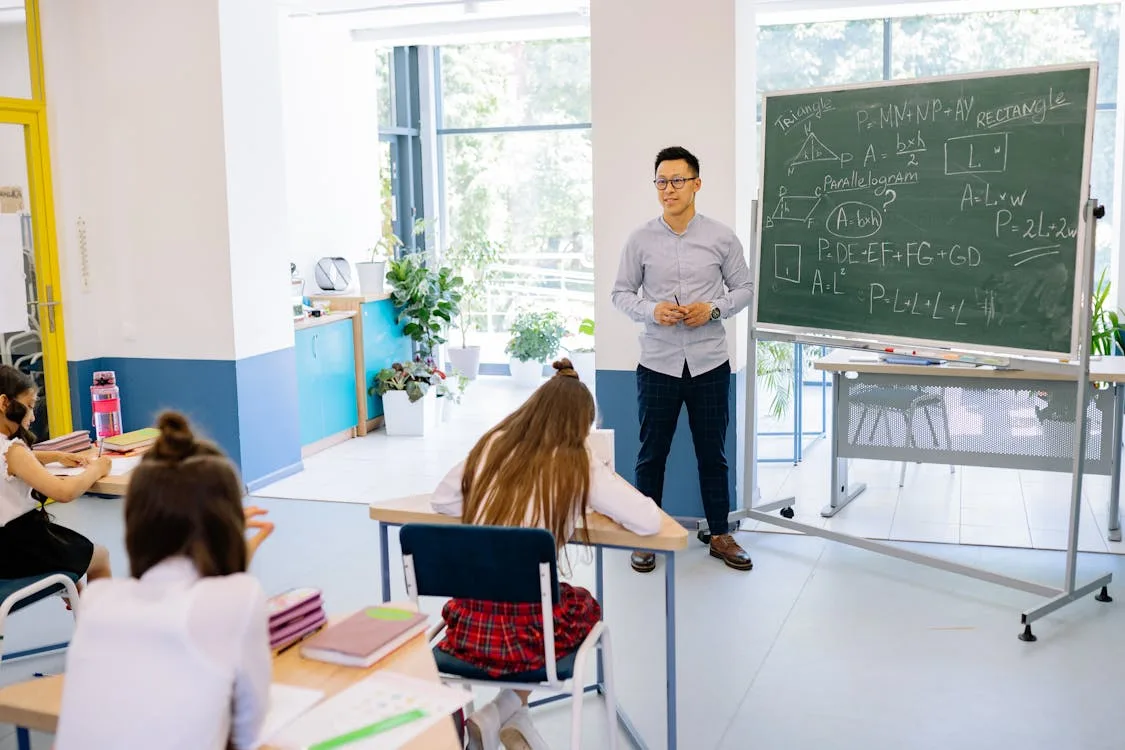
Traditional models succeed because they provide a clear roadmap for student success through high expectations and consistent discipline. Take the focused environment of a charter school in East Mesa, part of a network dedicated to traditional education, as an example: it provides the necessary boundaries for academic growth, which is particularly important in an era of constant digital distraction. These schools often emphasize a “back-to-basics” curriculum that removes the fluff and focuses on the skills required for long-term collegiate and professional success.
Teachers in these settings act as mentors rather than mere facilitators of digital content. Recent research suggests that direct teacher interaction is the primary driver of social skill development and effective conflict resolution among young learners. By removing the screen as a middleman, the classroom becomes a space for genuine human connection and intellectual debate.
Parents who choose this path often cite a few specific benefits that modern “open” classrooms struggle to replicate:
- Direct instruction ensures every student receives the same foundational knowledge without guesswork
- Phonics-based literacy programs provide the tools for lifelong reading comprehension and spelling
- Structured environments reduce anxiety by providing clear rules and predictable daily routines
The shift toward traditionalism is a response to the feeling that education has become too fragmented and tech-driven. When a school prioritizes a rigorous, common-sense approach, it allows students to build confidence through actual achievement.
Building Resilience Through High Standards
The push for higher standards is not about making school harder for the sake of difficulty. It is about preparing children for a world that does not always provide participation trophies or endless retakes. By holding students accountable for their work and behavior, traditional schools foster a sense of resilience that is often missing in more relaxed educational models.
The growing trend towatrd “bottom-up” school environments shows that parents want to be active partners in their child’s education. They are seeking out communities where the school’s values align with those taught at home. This alignment creates a support system that encourages the student to excel both in and out of the classroom.
When a child understands that their effort is the direct cause of their success, their intrinsic motivation increases. This is the core philosophy behind traditional education: equipping students to build their own futures through hard work and discipline.
Finding The Right Academic Fit
The decision to move toward a traditional model is a personal one for every family, but the collective trend is undeniable. As we look toward the coming school year, the focus remains on quality over novelty. Exploring the specific curriculum and community values of your local options is the first step in making an informed choice.
For more information on trends impacting society today, stay tuned to our site and check out the rest of our posts on topics that today’s parents, students, and educators will value.