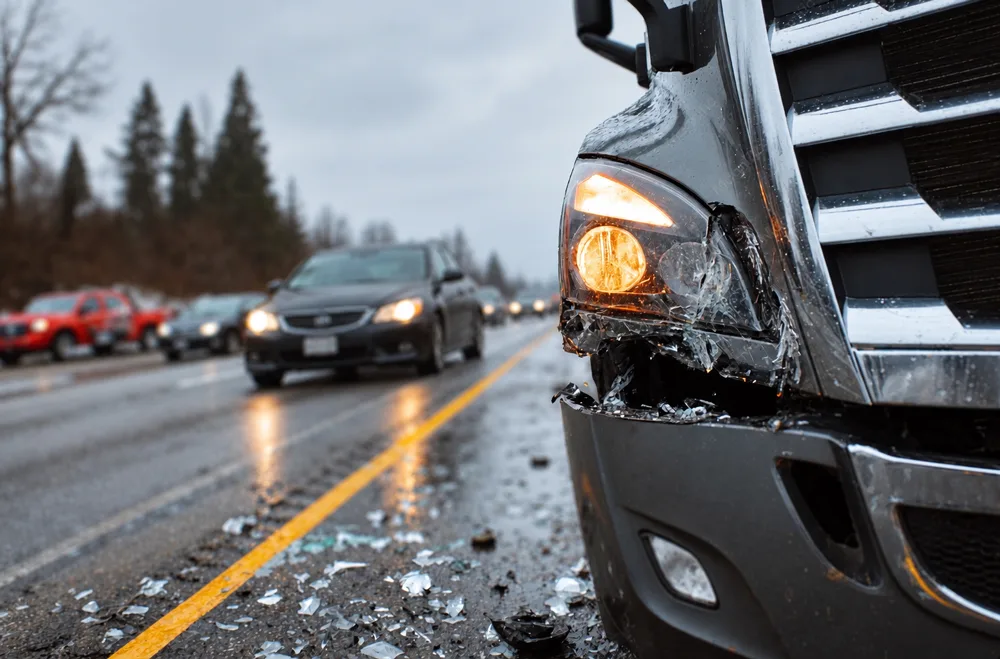
A crash with a semi-truck or box truck in Henderson looks nothing like a fender bender between two cars. Trucks weigh many times more than a passenger vehicle, and a single load can involve a driver, a trucking company, a cargo loader, and even the shop that serviced the brakes. Figuring out who caused your injuries often means looking well past the driver at the wheel and into the business decisions behind that truck. Here’s why more than one party can end up responsible after a Henderson truck accident.
Why Truck Accidents Involve More Than the Driver
A truck driver rarely operates alone. Behind every commercial truck sits a trucking company, a dispatcher, and sometimes a separate business that owns the trailer or the cargo inside it. Because so many parties touch a single truck before it hits the road, many injured drivers contact a truck accident lawyer in Henderson to help identify who actually caused the crash.
A car accident usually narrows down to one or two drivers within the first phone call to an insurer. A truck accident can widen out to include the company that hired the driver, the mechanic who last inspected the brakes, or the business that loaded the cargo onto the trailer. That wider circle of responsibility changes how a claim gets built from the very first day, since each party may carry its own insurance policy and its own set of records.
Parties That Can Share Fault in a Henderson Truck Accident
Multiple people and businesses often play a role in causing one truck crash. The driver is the most obvious party, but the company that put that driver behind the wheel carries responsibility too. Under NRS 41.130, an employer is liable for injuries caused by an employee acting within the scope of the job, which covers most trucking companies and their drivers.
- Truck driver – fatigue, speeding, or distraction behind the wheel
- Trucking company – poor hiring, training, or scheduling practices
- Cargo loading company – unsafe or unbalanced loading that shifts in transit
- Maintenance shop – skipped or careless brake, tire, or trailer repairs
How Nevada Law Splits Blame Among Several Parties
When more than one party contributed to a crash, Nevada does not force you to pick a single target to sue. Under NRS 41.141, you can recover money as long as your own share of fault is not greater than the combined fault of the parties you are suing. Each defendant then answers for their own percentage of the blame. Keep in mind that whatever you recover is still reduced by your own percentage of fault, so the more parties who share responsibility, the more thoroughly that fault gets divided up before any reduction applies to you.
A jury or insurance adjuster looks at each party’s role separately, from the driver’s actions behind the wheel to the trucking company’s hiring decisions. One party might carry most of the blame while another carries a smaller share tied to a maintenance record or a loading mistake. In a typical truck crash, that list of potentially liable parties can extend well beyond the driver to include the trucking company, a cargo loading contractor, a parts manufacturer, or even a government agency responsible for road conditions. Sorting out these percentages is often the hardest part of a truck accident claim.
Evidence That Reveals Who Else Is Responsible
Truck accident cases run on records that car accidents rarely produce. Federal rules require trucking companies to keep driver logs, inspection reports, and maintenance histories, and those records often show problems long before the crash happened. Pulling this evidence quickly matters, since some companies only keep certain records for a short time.
- Driver logs – hours worked and required rest breaks before the crash
- Maintenance records – past repairs, inspections, and known defects
- Cargo manifests – what was loaded, how much it weighed, and who loaded it
- Black box data – speed, braking, and steering in the seconds before impact
What a Wider Search for Fault Can Reveal
A Henderson truck accident rarely has just one story behind it, and the party at the wheel is often only part of a longer chain of decisions made weeks before the crash. Hiring practices, maintenance schedules, and loading choices all shape what happens on the road long before a driver ever leaves the yard. Looking at the full chain of responsibility, rather than stopping at the driver, often changes what a claim is actually worth and who ends up paying for it. Careful records, kept early and reviewed closely, tend to tell that fuller story most clearly.