A sudden drop in water volume at a single sink or shower usually points to an isolated component rather than a main-line failure. When the rest of the house maintains normal flow, the issue likely lies within the localized piping, valves, or internal mechanisms of that fixture. Understanding how individual fixtures process water helps isolate the fault without unnecessarily disturbing the broader system, and since households waste 1 trillion gallons of water through leaks and other issues each year, it’s worth avoiding contributing to this statistic.
The Role of Aerators and Localized Debris
The most frequent culprit behind a weak stream at an isolated sink is a blocked aerator. Modern faucets feature small screen mesh inserts designed to shape the stream and help with water conservation. Over time, mineral deposits and pipe sediment accumulate behind this mesh, restricting volume.
Clearing this obstruction is straightforward and requires minimal tools. Unscrew the housing and soak the screen in a solution to clear scale; this often restores normal output. If flow remains weak after cleaning, the problem likely lies deeper inside the fixture assembly.
Cartridge valves inside single-handle faucets can also trap incoming grit. Dissimilar metals in plumbing lines can create scale deposits that reduce flow by up to 25 percent over extended periods of operation. Removing the handle to inspect the internal cartridge or shower mixing valve often reveals trapped debris or degraded rubber gaskets that restrict proper water flow.
Evaluating Supply Lines and Shutoff Valves
Under-sink shutoff valves, often called angle stops, control water delivery to individual fixtures. These valves can partially close due to accidental bumps or internal stem degradation. Specifically:
- Angle stops can collect mineral buildup that restricts internal valve movement
- Flexible supply hoses occasionally twist or kink behind cabinet walls or drawers
- Multi-turn gate valves may lose connection with the internal stem and settle partially closed
A quick visual check underneath the basin confirms whether the supply lines maintain a clear, unkinked path. Inspecting these connections lets homeowners spot minor hardware issues before considering pipe replacements.
Local assistance is worth seeking in the most persistent cases. When troubleshooting recurrent flow issues or damaged supply lines in Florida, home plumbing owners can get in touch with First Quality Plumbing to schedule a professional evaluation, for instance. It saves you going down the DIY route over and over without results.
Hot vs. Cold Flow Restrictions
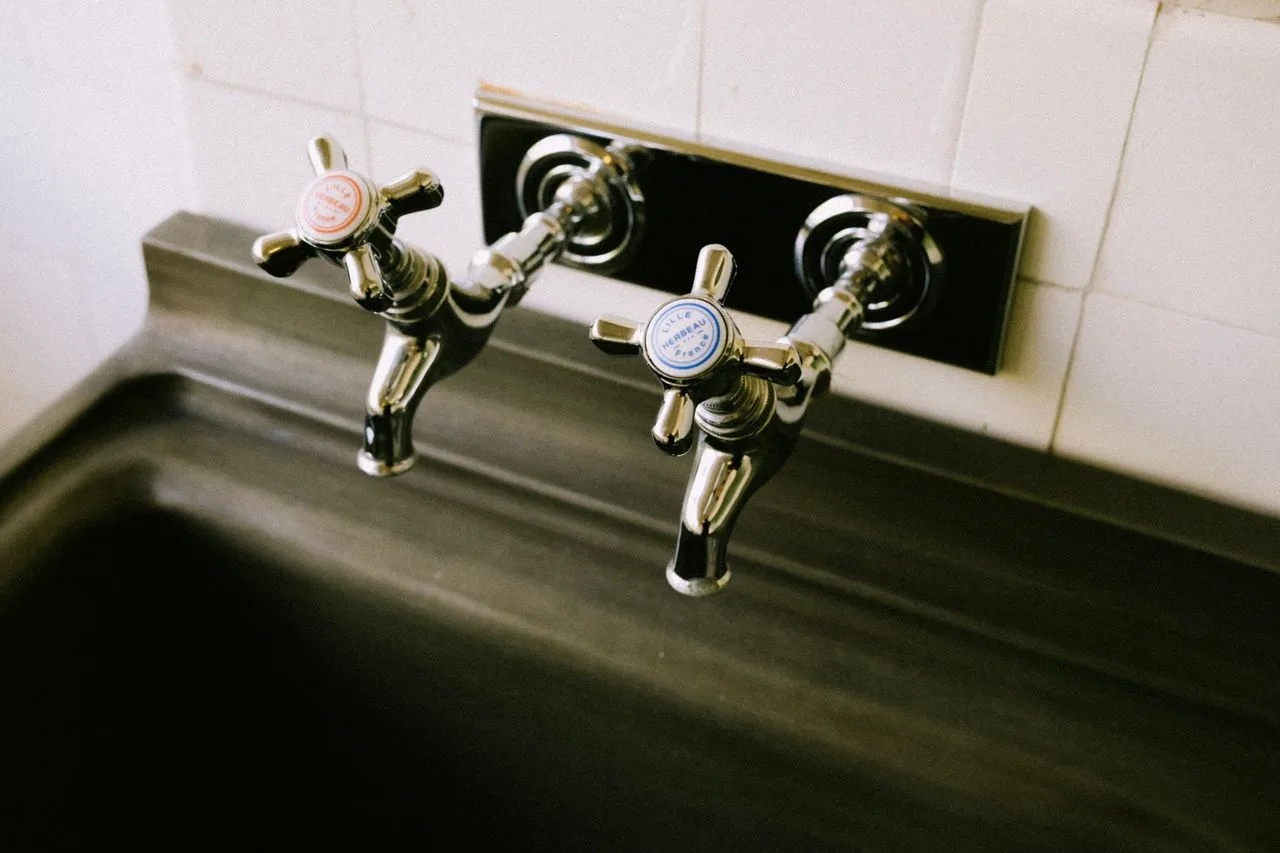
Tracking whether low pressure affects both water temperatures or just one narrows the diagnostic field significantly. If cold water runs at full strength while hot water trickles, the obstruction exists exclusively on the hot supply branch or within the water heater outlet.
Sediment inside aging water heaters can break loose and travel into specific hot water lines. These particles travel until they hit the narrowest opening, which is usually the faucet cartridge or supply stop.
Conversely, if a single fixture has low pressure on both sides, the restriction sits where the lines converge inside the tap body. Older galvanized iron pipes can also corrode internally, creating isolated narrow spots that severely restrict volume to specific rooms. Identifying temperature-specific drops prevents unnecessary repairs to fully functional supply branches.
Having a house that’s a work in progress is no bad thing, and plumbing maintenance is all part of that. However, sorting this specific type of annoyance proactively is worthwhile given its ability to improve your quality of life immediately.
Identifying Systemic Pressure Variations
While isolated fixture issues account for most single-faucet problems, verifying the rest of the house ensures no subtle systemic issues are at play. Testing nearby fixtures determines if the pressure drop extends to adjacent rooms.
If multiple fixtures on a single branch line lose pressure at the same time, the issue likely stems from a clogged sub-main line rather than an individual aerator. Check out more of our guides to handling household maintenance for more advice and insights.