Walk into a good Italian restaurant and you’ll probably see Prosecco offered before the appetizers arrive. In Spain, a chilled Cava might accompany seafood, while French restaurants regularly serve Crémant alongside dishes that could just as easily appear with a bottle of white Burgundy. Sparkling wines have long been part of the dining culture in these countries, and the combinations extend well beyond oysters and expensive tasting menus.
A bottle of bubbles can be surprisingly good with fried chicken, pizza, creamy pasta or a plate of aged cheese. The acidity keeps richer dishes from becoming overwhelming, while different production methods give each wine its own texture and flavor. With a little attention to the ingredients, it’s possible to find excellent combinations among dishes that are already part of a regular dinner rotation.
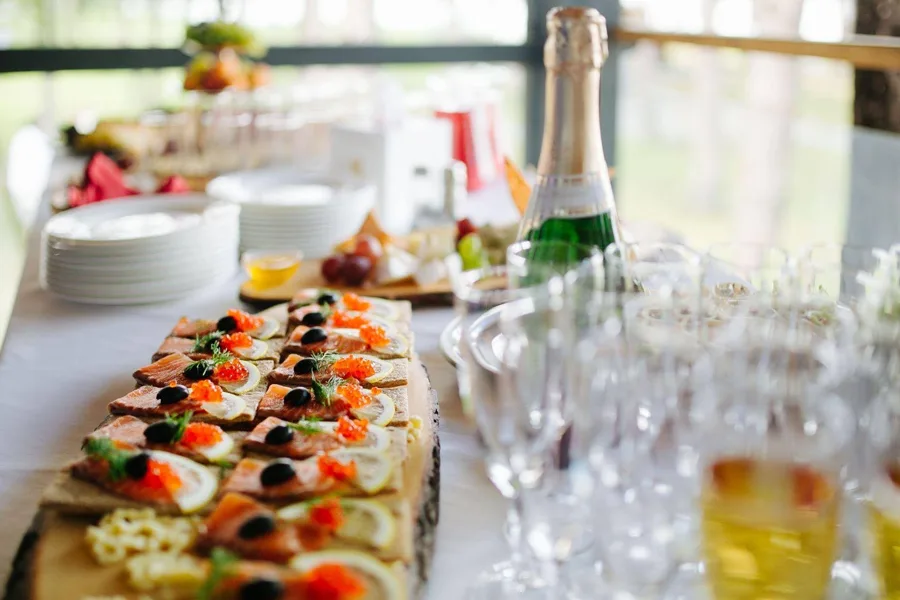
The Science Behind the Pairing
Carbon dioxide gives sparkling wine its characteristic bubbles, but acidity plays an equally important role in how it tastes with food. A sip of dry Cava after a piece of fried chicken leaves a different impression from a sip of buttery Chardonnay. The wine’s sharpness works particularly well against the salt and richness of the chicken, while the bubbles provide a lively texture.
Salt, fat and acidity are among the main factors influencing how food changes the perception of wine. Parmesan, for example, brings plenty of salt and umami, while a tomato sauce introduces additional acidity. A wine that tastes particularly sharp on its own may seem softer alongside the right ingredients.
The production method also influences the result. Prosecco is commonly made using the tank method, which helps preserve its fresh apple, pear and citrus character. Cava and Franciacorta generally undergo their second fermentation in the bottle, a process associated with finer bubbles and, with sufficient aging on the lees, flavors reminiscent of bread, nuts and pastry.
These differences become especially useful when shopping for a dinner with several courses. Punin Wine’s sparkling wine collection includes Italian Prosecco and Franciacorta, Spanish Cava, French Crémant and German Sekt. The assortment can be filtered by sweetness, grape variety and country, making it easier to compare a crisp Brut for seafood with a fuller traditional-method wine for the main course.
Fried Chicken and Cava
Fried chicken and sparkling wine have become a favorite pairing among wine enthusiasts for good reason. Crispy batter carries plenty of fat and salt, and the meat underneath adds another layer of richness. Spanish Cava Brut, with its dry finish and pronounced acidity, works particularly well with these flavors.
A classic southern-style fried chicken dinner offers several variations worth exploring. The same bottle that works with a salted chicken thigh may taste different alongside coleslaw, biscuits or mashed potatoes with gravy. A squeeze of lemon over the chicken can also bring the food closer to the wine’s citrus character.
The guide to wine pairings for takeaway meals explores how different wines can accompany familiar takeaway dishes. Its approach is particularly relevant to meals with strong seasoning, rich sauces and fried ingredients, where individual components affect the balance of the drink.
Tempura vegetables, battered fish and fried calamari offer similar opportunities. With lightly seasoned seafood, a fresh Crémant can be an excellent choice. Heavily spiced fried chicken may call for a fruitier style, especially when the coating contains plenty of chili.
The Italian Dinner Table
Pizza presents an interesting challenge because the toppings can completely change the flavor of the dish. Margherita combines acidic tomatoes, creamy mozzarella and fresh basil, while a white pizza might feature mushrooms, garlic, ricotta and Parmesan. Even two pizzas made with the same dough can benefit from different wines.
Prosecco Brut works particularly well with lighter toppings, fresh mozzarella and vegetables. Its fruity aroma and crisp acidity suit a tomato-based pizza, especially when the sauce is relatively simple. A more structured Franciacorta can be an interesting partner for white pizza, where cheese and mushrooms contribute a richer, more savory flavor.
Pasta provides an equally broad range of possibilities. Linguine with clams, parsley and olive oil pairs naturally with a dry, fresh sparkling wine. Mushroom risotto, with its butter, Parmesan and earthy flavors, gives Franciacorta an opportunity to show its fuller texture and more developed aromas.
The same principle applies to other Italian favorites:
Arancini: Cava Brut or Crémant with enough acidity to balance the fried rice coating.
Prosciutto and melon: Fresh Prosecco with fruity notes that complement the sweet melon and salty ham.
Seafood linguine: Dry white sparkling wine with citrus and mineral characteristics.
Mushroom risotto: Franciacorta with a creamy texture and subtle toasted notes.
Focaccia with rosemary: Prosecco Brut or a light Crémant served alongside olive oil and olives.
What Makes Seafood Such a Natural Match?
Oysters have an established relationship with dry sparkling wine, especially bottles with high acidity. Their briny taste works well with a refreshing drink, particularly when the oysters are served with lemon or a light vinegar dressing. The combination also explains why similar wines often appear next to shellfish on restaurant menus.
The food and wine pairing guide examines the effect of salt, acidity and other components on wine perception. It also identifies oysters and high-acidity wines among the classic combinations. Those same principles help explain the appeal of sparkling wines with shrimp, mussels and other seafood dishes.
Grilled prawns with garlic and lemon work particularly well with a dry Crémant or Cava. For a richer dish such as lobster with melted butter, a traditional-method wine with more body can be a better match. The additional texture and developed flavors give the wine enough presence alongside the butter without overpowering the seafood.
Five Combinations Worth Putting on the Menu
The range of sparkling wines available today gives home cooks plenty of choices for matching different dishes. Some combinations emphasize acidity and freshness, while others draw on the richer aromas developed during bottle aging. The following examples cover several familiar dinner options.
The sweetness classification matters when comparing bottles. Brut is generally dry, while Extra Dry contains more residual sugar despite its name. For heavily spiced dishes, a little additional sweetness can sometimes be useful, although the overall flavor of the wine remains important.
| Dinner dish | Sparkling wine style | Flavor combination |
|---|---|---|
| Fried chicken | Cava Brut | Salty, crispy coating with bright acidity |
| Margherita pizza | Prosecco Brut | Tomato, mozzarella and fresh fruit notes |
| Mushroom risotto | Franciacorta Brut | Earthy mushrooms with creamy, toasted notes |
| Grilled prawns | Crémant Brut | Seafood, lemon and a fresh finish |
| Prosciutto and melon | Prosecco Extra Dry | Sweet fruit and salty cured meat |
| Aged Parmesan | Cava Reserva | Rich cheese with savory, developed aromas |
Cheese, Charcuterie and Sparkling Reds
Italian Lambrusco deserves attention whenever cured meats and cheese appear on the table. Produced in several styles, including dry and sweet versions, it offers red fruit flavors and a lively character. Dry Lambrusco is especially interesting with salami, mortadella, Parmesan and other staples of an Emilia-Romagna antipasti spread.
White sparkling wines also have plenty to contribute. A dry Cava works with aged Manchego, while Crémant can accompany Brie, Camembert and other soft cheeses. Strong blue cheeses are more demanding, as their saltiness and intensity may call for a sweeter wine.
For a dinner centered on charcuterie, the supporting ingredients deserve some attention. Pickled vegetables, olives, nuts and fresh bread bring different textures and flavors to the table. A bottle of dry sparkling wine can accompany several of these components, although strongly flavored mustards and sweet preserves may affect the pairing.
Serving Temperature and Glassware
Most sparkling wines are served chilled, with lighter styles often showing well at approximately 6–8°C. More complex traditional-method bottles can benefit from a slightly warmer serving temperature that allows their aromas to develop. An ice bucket with water and ice provides a practical way to maintain a consistent temperature throughout dinner.
Glassware also affects the drinking experience. A narrow flute preserves the visible stream of bubbles but offers limited space for aromas to develop. A tulip-shaped glass or standard white-wine glass gives the wine more room, particularly when serving aged Cava or Franciacorta.
An opened bottle can be kept in the refrigerator with a suitable sparkling-wine stopper. The stopper helps retain pressure and carbonation, although the wine will gradually lose freshness. For a dinner involving multiple courses, smaller pours are useful because each glass can be enjoyed while the wine remains properly chilled.
Putting Together a Full Dinner Menu
A three-course dinner provides an opportunity to explore more than one sparkling style. Grilled prawns or a seafood salad could open the meal with Crémant Brut, followed by mushroom risotto and Franciacorta. For dessert, a fruit tart may work with a sweeter sparkling wine, depending on the fruit and the amount of sugar in the filling.
The menu can also be built around a single bottle. A crisp Cava Brut could accompany fried calamari, roast chicken with lemon and herbs, and a final plate of aged cheese. These dishes share enough salty and savory characteristics to make the pairing consistent throughout the meal.
For an upcoming dinner, pizza, seafood and mushroom dishes are all good candidates for trying a different bottle from the usual selection. The range of sparkling styles makes it possible to revisit familiar recipes with new pairings, particularly when several wines are available to compare. A good match tends to become a regular order once you’ve found it.

