


4 minute read
Short answer: ridiculously fast.
Long answer: fast enough to embarrass hypercars that cost ten times as much.
The 2026 Corvette ZR1X is officially the quickest American production car ever, and it earns that title the hard way—on real drag strips, with real tires, and on pump gas. No gimmicks. No million-dollar price tag.
The Numbers That Matter
Let’s start with the headline stats, because they’re not subtle.
- 0–60 mph: 1.68 seconds
- Quarter mile: 8.675 seconds
- Trap speed: 159 mph
- Peak acceleration: 1.75G
- Horsepower: 1,250 total
- Starting MSRP: $209,700
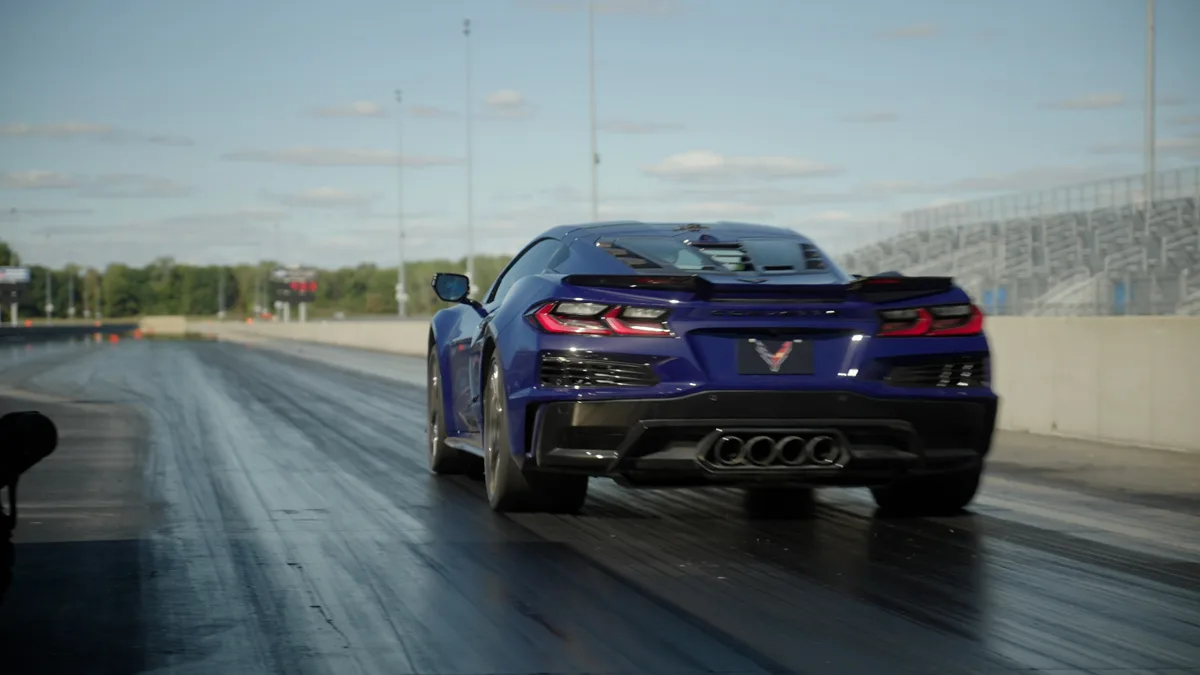
That quarter-mile time was achieved at US 131 Motorsports Park on a prepped surface, using standard Michelin PS4S tires, standard aero, and a 50-state street-legal calibration. The car didn’t just do it once either—it ran multiple passes, all under 8.8 seconds.
That matters. Consistency separates real performance from marketing fluff.
What Makes the ZR1X This Fast?
The ZR1X is not just a big-engine brute. It’s a full-on tech assault.
At the heart of it is the twin-turbo LT7 5.5L V8, paired with a front-axle electric motor, creating an electrified all-wheel-drive setup. Gas power handles the rear wheels, electric torque hits the front instantly, and the result is violent, controlled acceleration.
This setup allows the ZR1X to hit 60 mph in under 100 feet. That’s barely longer than a semi-truck.
General Motors President Mark Reuss summed it up plainly: moving Corvette to a mid-engine platform unlocked this level of performance. The ZR1X is the payoff.
Launch Control That Actually Works
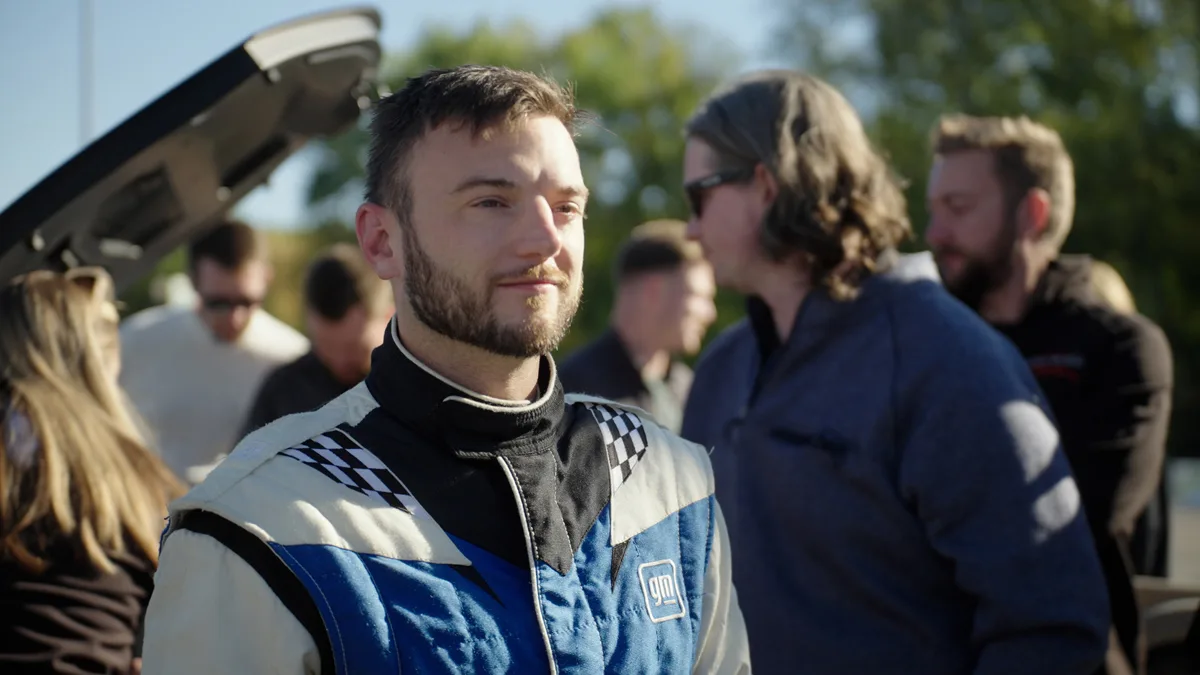
A big reason these numbers are repeatable is Corvette’s Custom Launch Control, standard across the lineup but fully unleashed here. Developed and executed by Corvette engineer and test driver Stefan Frick, the system manages wheel slip, clutch engagement, torque delivery, and traction in real time.
Drivers can fine-tune launch RPM and slip targets from the auxiliary display, which means this isn’t just a hero run by a factory driver—it’s performance owners can realistically access.
How the ZR1X Stacks Up Against Hypercars
Here’s where things get uncomfortable for the ultra-rich.
- Rimac Nevera R: Faster, yes—but costs $2.5 million
- Bugatti Tourbillon: Slower to 60, costs $4.6 million
- Koenigsegg Jesko Absolut: Similar quarter-mile, $3.4 million
- Pininfarina Battista: Slower and over $2 million
- Lucid Air Sapphire: Impressive, but still slower
The ZR1X is running in the same performance zip code as these cars for a fraction of the price. Under a million dollars, there is nothing quicker down a quarter mile. Period.
Prepped vs. Real-World Surfaces
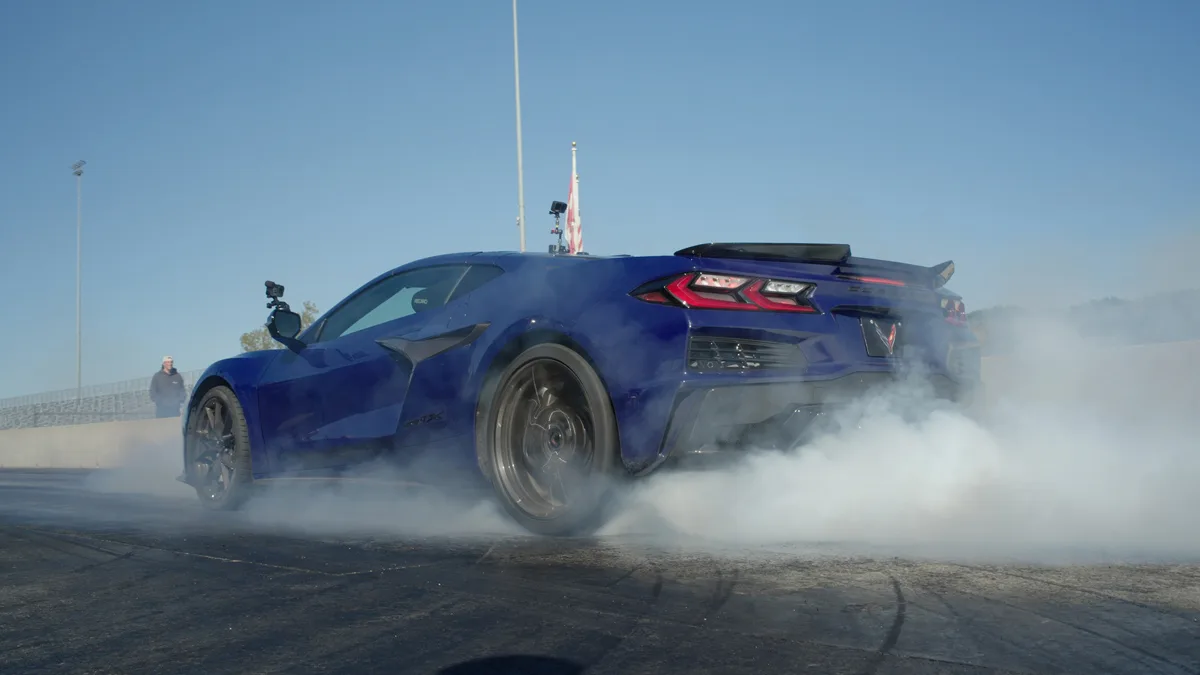
Even without a perfectly prepped track, the ZR1X still delivers. On an unprepped surface, equipped with the ZTK Performance Package, it runs:
- Quarter mile: 8.99 seconds
- 0–60 mph: 1.89 seconds
That’s still quicker than most hypercars will ever manage outside a brochure.
Corvette’s Fastest Family Tree
To put this into perspective, here’s how the eighth-generation Corvette lineup stacks up from 0–60 mph:
- Stingray (Z51): 2.9 seconds
- Z06 (Z07): 2.6 seconds
- E-Ray (ZER): 2.5 seconds
- ZR1 (ZTK): 2.3 seconds
- ZR1X (ZTK): 1.89 seconds
This isn’t incremental progress. This is a leap.
Built in America, No Asterisks
The 2026 Corvette ZR1X entered production in December 2025 and is built at Bowling Green Assembly Plant in Kentucky. It’s American-engineered, American-assembled, and globally competitive in a way that would’ve sounded absurd a decade ago.
So, How Fast Is the Corvette ZR1X?
Fast enough to reset expectations.
Fast enough to make seven-figure supercars uncomfortable.
Fast enough that the price feels almost wrong.
The ZR1X isn’t just the fastest Corvette ever. It’s one of the fastest production cars on the planet, full stop—and it proves that performance dominance doesn’t have to come with a $3 million invoice.