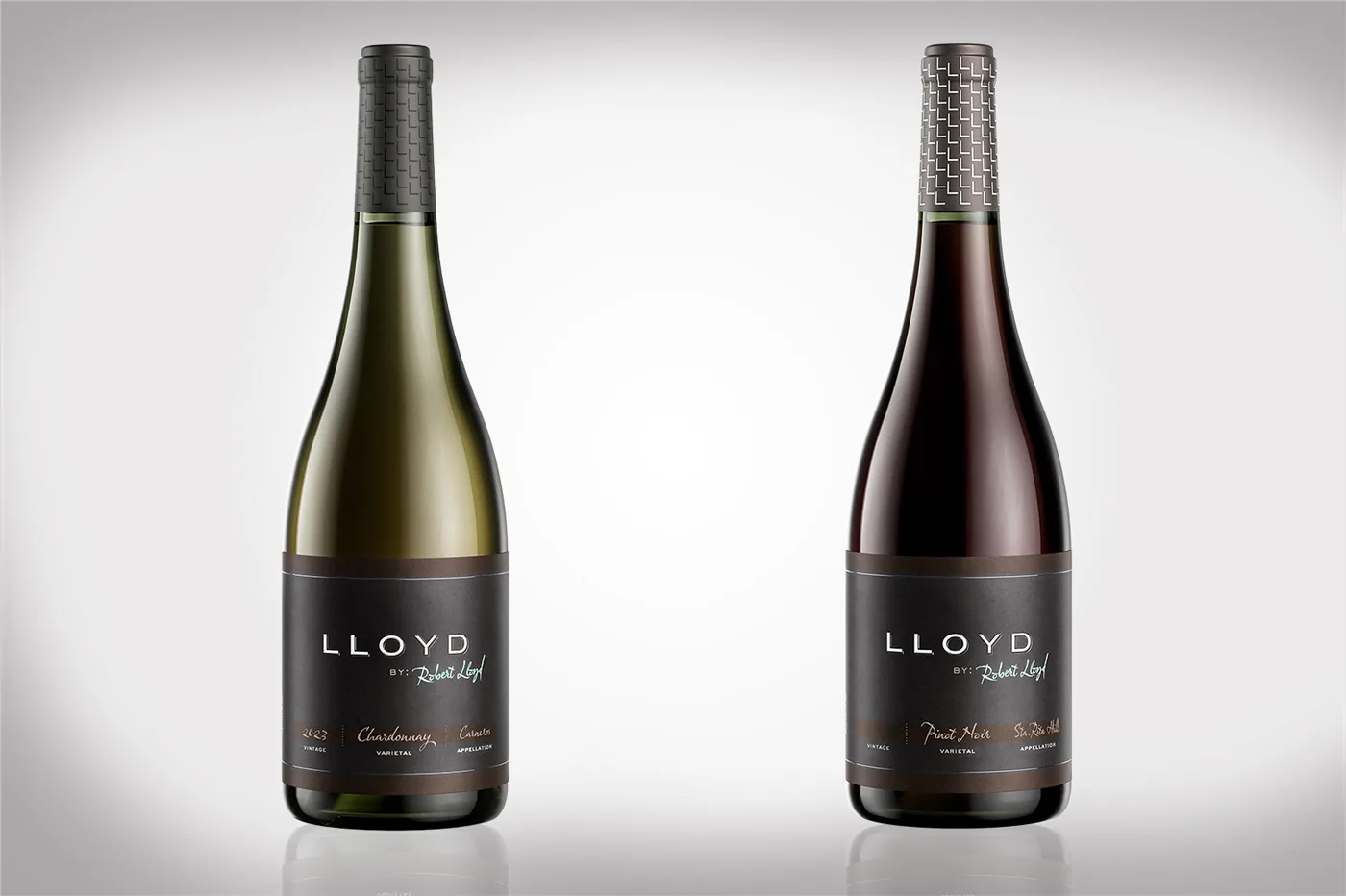
If you’ve spent any time near a wine list in the last few years, you’ve probably noticed a lot of quiet, lean, “let the fruit speak” bottles taking over. That’s a fine philosophy if that’s what you’re after. It’s not what I’m after most nights. I want a Chardonnay that tastes like it did something in the cellar, and a Pinot Noir that still has some backbone by the time it hits the table. Lloyd by Robert Lloyd delivers both, and at $42 and $50 respectively, they’re priced to actually get opened rather than saved for a occasion that never comes.
I went through both bottles over a couple of weeks at home, not at a tasting counter with a spit bucket, which is really the only honest way to review a wine you’re going to recommend to people who plan on drinking it with dinner.
The Chardonnay: Rich Without Feeling Heavy
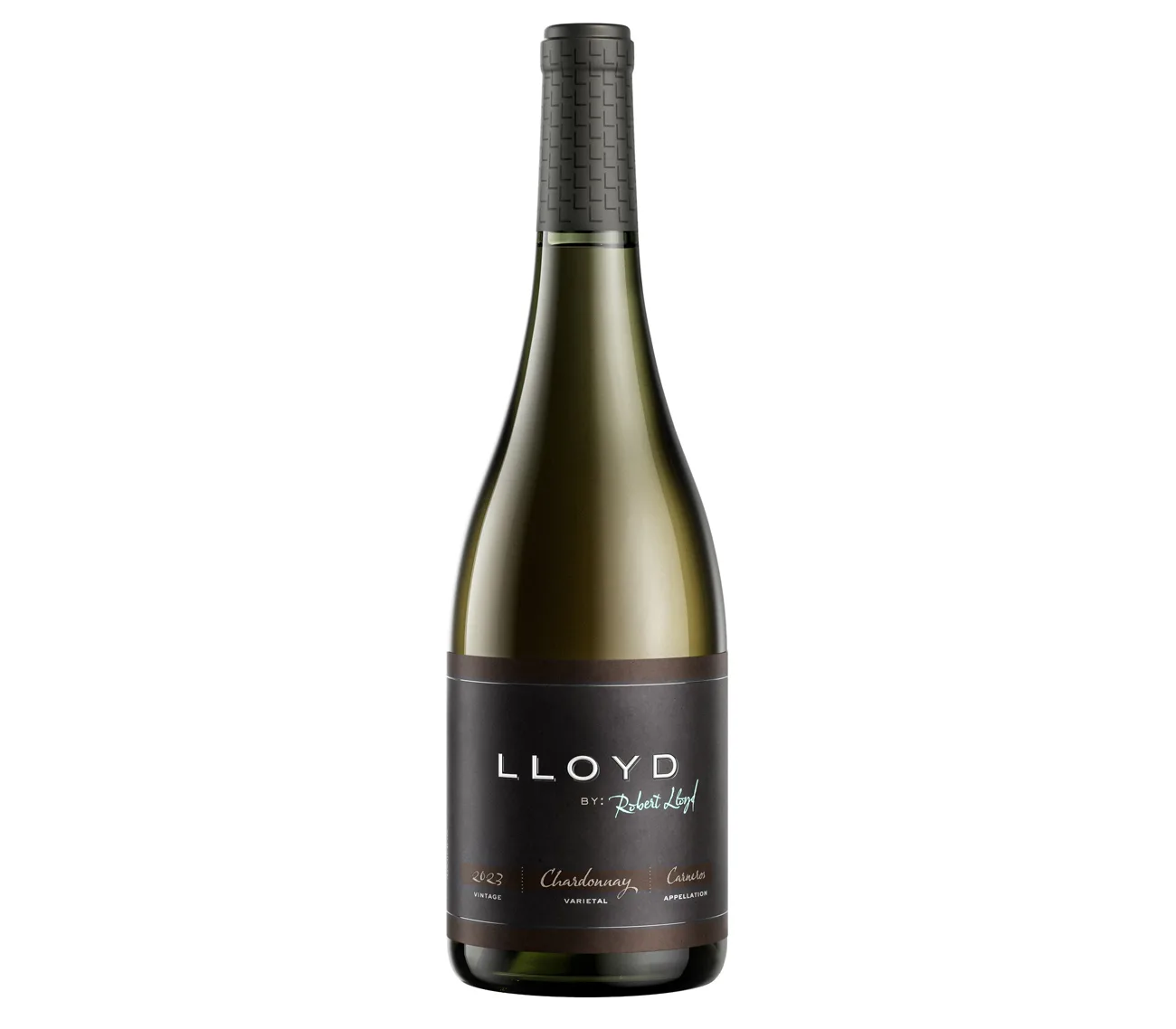
The 2023 Carneros Chardonnay comes from Sangiacomo family vineyards, a name that shows up on the back label of a lot of very good Sonoma Chardonnay, plus a small amount of fruit from Truchard in the volcanic Carneros benchlands. Robert Lloyd fermented it entirely in American oak barrels and pushed it through full malolactic fermentation, then let it sit on its lees for ten months without racking. Translation for anyone who doesn’t spend time thinking about winemaking: this is built to be rich, buttery, and full-bodied on purpose.
What surprised me is that it doesn’t tip over into syrupy. There’s a lemon-zest brightness running underneath the vanilla and toasted brioche notes that keeps every glass drinkable instead of exhausting. I opened this with a simple pan-seared fish dinner and it was an easy pairing, no second-guessing needed. The oak and butter picked up the richness of the fish without fighting it, and the acidity kept things from getting heavy by the second glass. For $42, this is the kind of bottle you can put on the table on a random Tuesday and not feel like you’re showing off.
The Pinot Noir: Structure That Holds Up to a Grill
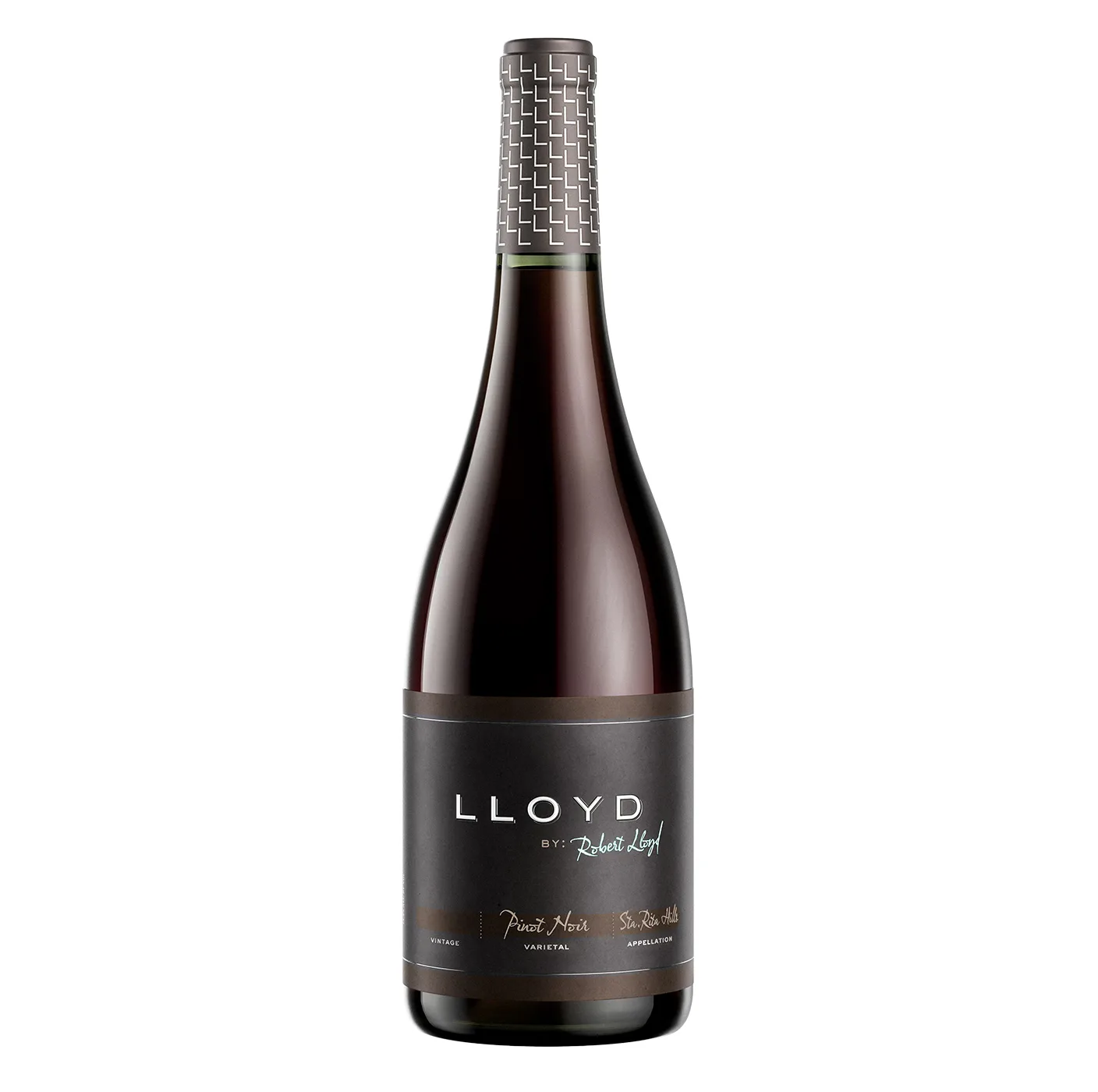
The 2022 Sta. Rita Hills Pinot Noir is the more interesting story on paper. Lloyd blends fruit from two vineyards on opposite ends of the appellation: Rancho La Viña, a cold, wind-battered site on the western edge that gets left to hang later into September, and Rio Vista on the warmer eastern side, picked earlier to preserve fruit and acidity ahead of a heat spike that hit California in 2022. Instead of punching down the cap by hand, which can shred seeds and pull out bitter tannin, Lloyd runs a submerged-cap system in stainless steel that keeps the skins constantly under the wine. It’s a small technical choice, but it shows up in the glass as a noticeably silkier tannin structure than a lot of Pinot in this price range.
Only 800 cases were made, and it got twelve months of bottle aging before release, so it’s not showing any of the rough, unresolved edges you sometimes get from a Pinot that’s rushed to market.
Here’s the part I didn’t expect going in: I had this one with smash burgers I made on the griddle at home, and it was genuinely delicious. Pinot Noir doesn’t automatically come to mind for burger night, but the fine tannins and dark fruit held their own against the char and the fat without getting steamrolled, and there was enough acidity to cut through everything. I’d happily pour this with a real steak too, but don’t sleep on it as a weeknight burger wine. That’s not a pairing suggestion pulled from a tasting sheet. That’s just what happened at my kitchen island on a Tuesday.
Where These Land
Both wines picked up 94 points from Tasting Panel Magazine, and the Chardonnay landed on California Wines & Wineries’ “Best of 2025” list, so I’m not the only one who thinks Lloyd is doing something worth paying attention to. What stands out to me isn’t the scores, though. It’s that both bottles are easy drinking without being simple. You don’t need to think hard about food pairings, decanting time, or serving temperature to enjoy either one, but there’s enough going on underneath that a second glass reveals more than the first.
At $42 and $50, neither wine is cheap, but neither one is priced like a special-occasion splurge either. That’s the sweet spot Lloyd seems to be aiming for: interesting enough to talk about, approachable enough to actually finish the bottle on a regular night.
My Take
If you’re going to buy one, start with the Pinot Noir. The story behind it, the split harvest, the dual vineyards, the submerged-cap fermentation, is genuinely more interesting than most Pinot Noir you’ll find at this price, and it proved itself against a burger, which is about as unglamorous a test as a wine can face. But the Chardonnay isn’t a consolation prize. If you’re a fish-and-white-wine household, it earns its spot in the rotation just as easily.
Frequently Asked Questions
What food pairs best with the Lloyd Carneros Chardonnay?
Rich, buttery dishes work well: pan-seared or poached fish, roasted chicken, or dishes with a cream or butter-based sauce. The wine’s acidity also holds up against aged, nutty cheeses like Parmigiano-Reggiano.
Is the Lloyd Sta. Rita Hills Pinot Noir good with red meat?
Yes. Its fine-grained tannins and dark fruit character pair well with steak, lamb, or even a well-made burger, where the wine’s acidity cuts through the fat without getting overwhelmed.
How many cases of the 2022 Sta. Rita Hills Pinot Noir were made?
Lloyd produced 800 cases of the 2022 vintage, making it a limited-allocation bottling rather than a widely available release.
What makes Lloyd’s Chardonnay different from typical California Chardonnay?
It’s fermented and aged entirely in American oak rather than the French oak or neutral vessels more common in premium Chardonnay today, giving it a more pronounced vanilla and baking-spice character balanced by naturally high acidity from the Carneros fruit.
Are these wines ready to drink now or better with age?
Both are approachable on release. The Chardonnay can cellar through 2029, and the Pinot Noir has the structure to develop through 2030 to 2032, but neither requires additional aging to be enjoyable.