


4 minute read
Bring energy and character into a room can transform living spaces into vibrant, inviting areas without the chaos of overcrowding. Balance visual elements and make more room in creating a harmonious environment. Here are six unique tips to help you breathe life into your home with a mindful approach to decor.
Embrace Artistic Expression with Wall Art
Wall art has an immense power to convey personality and energy in a room. Selecting pieces that resonate with your personal style contributes to a home that feels yours. Choose wall decor with bold colors and dynamic imagery, which can serve as statement pieces within an otherwise simple layout.
To maintain visual interest, opt for a gallery wall design that features a mix of frames and materials. Investing in collections of modern prints can become a focal point and add a contemporary touch. Integrate smaller pieces with larger artwork to create a harmonious visual rhythm. A careful arrangement of artworks can tell a story, drawing the eye across the room and keeping the energy flowing.
Choose a Color Palette That Pops
Incorporate vibrant hues, such as rich blues, sunny yellows, or warm oranges, to add character without feeling cluttered. Use brighter shades as accent colors, keeping larger furniture pieces in neutral tones to maintain visual balance. Accent walls offer a fantastic opportunity for a splash of color: painting one wall or applying a bold wallpaper creates depth. A striking red wall can energize a space, distracting from the minimal furnishings that surround it.
Lighting is what showcases these colors. Natural light improves vibrant tones, making the space feel larger and more inviting. Supplement with statement lighting fixtures that illuminate the room and serve as captivating focal points.
Layer Textures for Depth and Interest
Textures add dimension and tactile interest to a room. Various materials can break the monotony of flat surfaces and create layers that attract the eye. Consider mixing textiles, like soft textiles, plush rugs, and smooth metals, to promote a more inviting atmosphere.
A braided woolen rug can complement sleek hardwood floors, whereas velvet cushions can improve a leather sofa’s slick texture. Incorporating natural elements such as wood, stone, or plants can all provide a refreshing contrast to artificial materials. House plants liven up spaces with their greenery and promote a sense of well-being. Once you employ these texture and height cues, you enrich the room’s character and retain an airy atmosphere.
Furniture Placement is Key
Thoughtful furniture arrangement dictates functionality and flow. Aim for a layout that promotes interaction and movement, allowing guests to mingle comfortably. When placing larger pieces, they should encourage conversation rather than obstruct pathways.
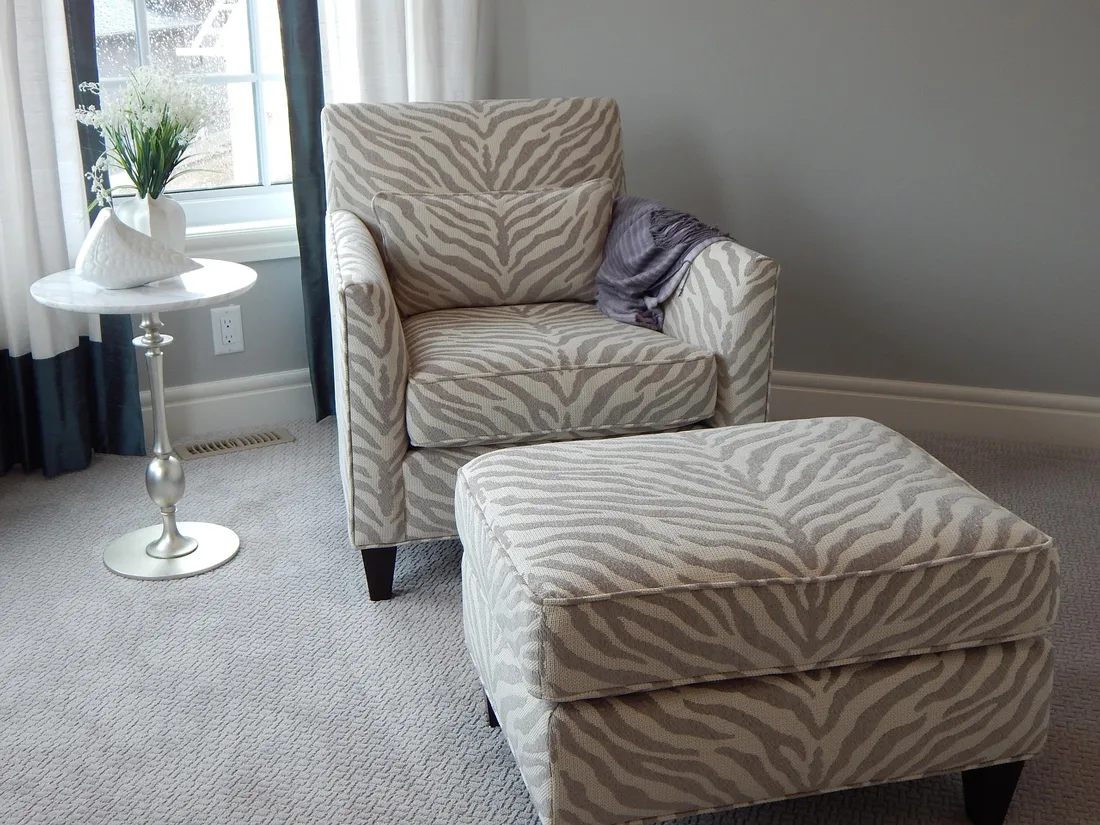
Ottomans with hidden storage and other multifunctional pieces support the room’s purpose without overwhelming the space. Arranging furniture at an angle can make the room feel more inviting and less rigid. When arranging seating, leave adequate space between pieces to avoid a cramped feeling. Aim for 18 inches between sofas and chairs for comfortable conversation without being too close.
Use rugs strategically to define separate areas within a room. Rugs can anchor a seating arrangement, knitting together different elements without encroaching on available space. When each piece is thoughtfully placed, it creates a cohesive narrative in your decor that energizes the atmosphere.
Incorporate Multi-Purpose Decor Elements
Multi-purpose decor elements prevent the feeling of overcrowding and improve character. Consider furniture with built-in storage, such as coffee tables with drawers or benches with hidden compartments. An attractive tray might hold coasters and stylish candles while serving as a decorative element on top of a coffee table.
Plants are great accents with multifunctional purposes, as they contribute to improved air quality. Choose fixtures that illuminate and define spaces. Each thoughtfully chosen element adds character to your room and simultaneously increases its functionality.
Balance Your Decor with Negative Space
Negative space can serve as a visual breather, allowing the eye to rest and providing balance amid more dynamic elements. Avoid the common pitfall of trying to fill every inch of your space: leaving areas empty creates a sense of harmony and gives character to your decor. This could mean leaving parts of wall space unadorned or intentionally choosing a minimalistic approach to furniture. A crafted wooden bench against a wall, complemented by an accent rug and a single plant, offers simplicity and style.
Scale when balancing positive and negative space. Large furniture requires ample breathing room to avoid feeling dominant in the area. Instead of cramming numerous small pieces into a space, choose a few impactful items to maintain an open feeling.
Bringing energy and character into a room doesn’t require filling every corner: it’s about intention, balance, and thoughtful design choices. With these tips, you can elevate any room into a lively, welcoming environment that reflects your style while maintaining an open, uncluttered atmosphere.