


5 minute read
Choosing the right storage option comes down to understanding what you’re storing, how long you’ll need it, and how often you’ll access it.
Start with Your Reason for Storing
Name your goal. Are you bridging a renovation, downsizing, moving, or making room for a growing business inventory? Your reason sets the timeline, access needs, and care level.
List must-haves and nice-to-haves. Must-haves could be ground-floor access or weekend hours. Nice-to-haves might include drive-up units or a wider loading bay. When you write it all down, tradeoffs become clearer and faster.
Choose a Size That Fits and Gives You Wiggle Room
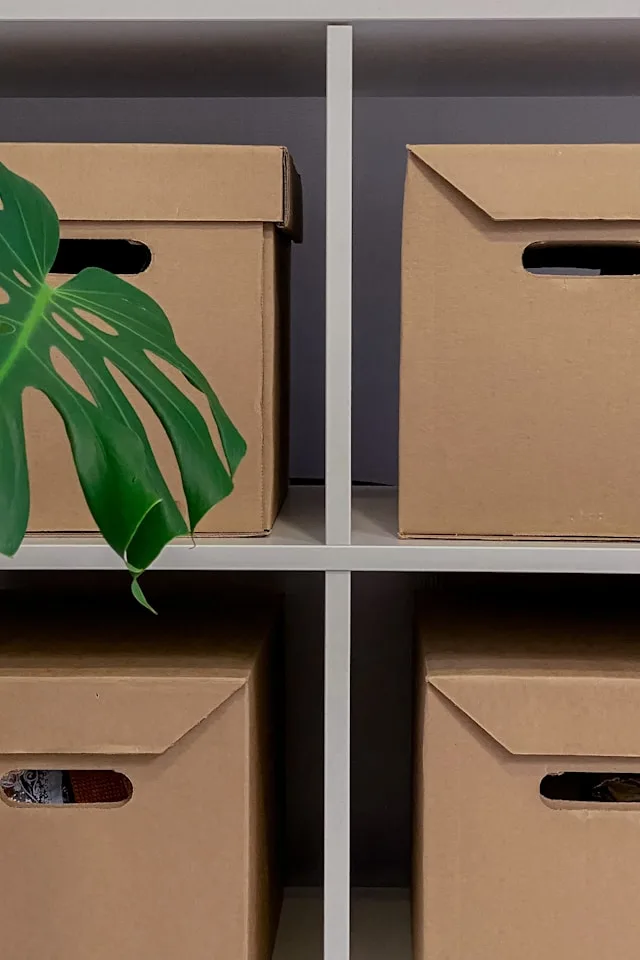
Measure big pieces first, and box the rest to estimate total volume. A quick home test helps: stack labeled boxes against a wall to see the footprint you’ll need. If you expect new items soon, plan for a little extra space so you can move safely inside the unit.
Many people pick a unit that’s too snug, and get stuck reorganizing during every visit. A smarter move is to leave a narrow aisle so you can reach the back. If you’re storing locally, consider Epping storage or a reliable facility in your location to keep travel time short and make quick visits practical. Those small time savings add up when you need to swap items in and out.
Quick size tips:
- Stack lighter boxes up high and keep heavy items waist height.
- Store sofas on their ends to save floor space.
- Use shelving for fragile or frequently used boxes.
Location and Access Matter More Than You Think
A nearby facility saves time and fuel, but access policies make or break the experience. Check daily opening hours, holiday schedules, and whether you’ll need a PIN or app to enter. If a friend or contractor needs access, ask how additional users are handled.
Map your route at peak traffic times. A 10-minute drive can turn into 30 during rush hour. Look at parking and loading zones at the facility. Covered loading bays and trolleys can reduce strain and speed up your trips.
A recent business report showed just how widespread modern storage networks are in Australia, with a leading operator serving customers across hundreds of locations in the region. This scale reflects how common and accessible storage options have become for residents and small businesses alike.
Security You Can Trust
Security starts at the gate and follows your items all the way to the unit door. Look for individual PIN access, solid perimeter fencing, and clearly visible cameras. A 24-hour monitored system is a strong baseline, with activity logs that track who enters and when.
Independent checklists published in 2024 emphasize simple yet vital safeguards like 24/7 CCTV. They point to layered protection: gated entry, good lighting, strong locks, and staff presence. Ask to see how footage is stored and for how long. A transparent answer signals mature practices.
Climate Control and What Really Needs It
Not every item needs climate control. Daily household items like plastic toys or metal tools usually tolerate seasonal swings, yet delicate goods suffer in heat and humidity. Think timber furniture, instruments, vinyl records, art, wine, and key documents.
If your items are sensitive, choose a stable environment. Climate-controlled units help protect against warping, mold, and corrosion. For mixed loads, store the most fragile pieces together in climate control and keep hardy gear in standard storage to balance cost and care.
Insurance and Risk Management
Even with strong security, accidents can happen. Many people assume home insurance covers off-site storage. Often it does not, or coverage is limited. That gap can be a surprise when you most need help.
Read your policy before you move a single box. If off-site storage isn’t covered, ask your insurer about add-ons or buy a facility-linked policy. Standard home policies may exclude items stored away from the property, so confirm limits, excess, and claim steps in writing. Photograph items and keep a contents list inside a cloud folder for quick proof.
Contracts, Costs, and Hidden Fees
Most storage agreements run month-to-month, which is flexible for life’s curveballs. Review the fine print. Note notice periods, lock-change fees, admin charges, and what happens if you miss a payment. Clarity saves stress later.
Price is more than a sticker number. Ask what’s included, including security, climate control, 7-day access, or after-hours help. If you plan a long stay, see if there’s a loyalty discount or prepay option. Keep a simple spreadsheet of your total cost per month and your total cost for the full storage period.
Picking storage is really about matching protection, access, and cost to what you own. Start simple, check the basics on-site, and keep an eye on your needs as they change. With the right size and features locked in, you’ll spend less time hunting for things and more time using them.