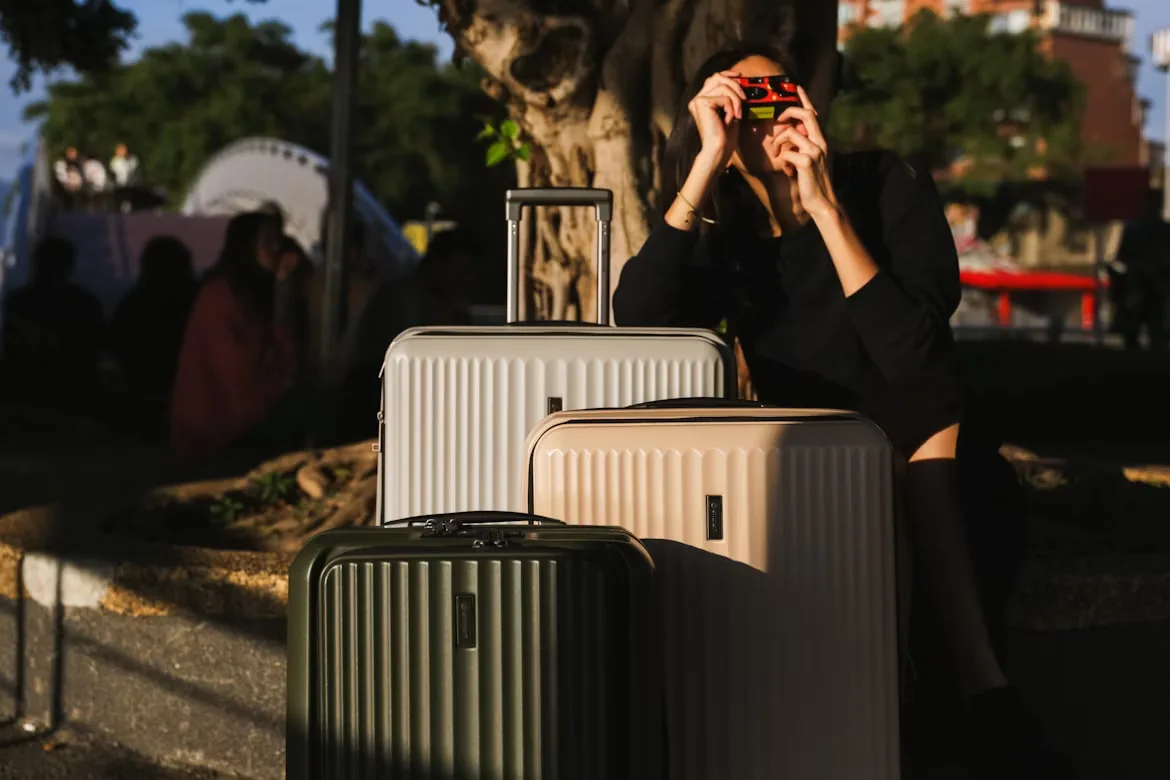
If you’ve ever stood at baggage claim and watched twenty identical black roller bags go past before yours shows up, you already know why the brand on your luggage matters as much as the destination on your ticket. This list is for travelers who want a case that looks as considered as the trip itself – not the loudest logo in the lounge, but something that reads as deliberate the moment it’s wheeled off a plane.
Buying a bag is a one-time decision. Buying into a brand is a longer bet: on the leather or polycarbonate holding up over dozens of connections, on the wheels and zippers surviving handlers who don’t care how much you paid, and on whether the company still answers the phone when a hinge cracks in year three. The seven brands below are chosen on those terms – material, hardware, repairability, weight, and restraint – not on marketing spend.
At a glance
|
Brand |
Best for |
Signature material |
Character |
|---|---|---|---|
|
Von Baer |
Quiet luxury in full-grain leather |
Full-grain leather |
Understated, ages rather than wears out |
|
Rimowa |
Hardshell design icon |
Aluminum and polycarbonate |
Instantly recognizable, technical |
|
Tumi |
Business travel features |
Ballistic nylon |
Organized, corporate-ready |
|
Globe-Trotter |
Heritage statement |
Vulcanized fiberboard |
Handmade, vintage-coded |
|
Carl Friedrik |
Minimalist polycarbonate |
Polycarbonate with leather trim |
Clean, restrained |
|
Away |
Value direct-to-consumer |
Polycarbonate |
Sensible, ubiquitous |
|
Monos |
Understated hardshell on a budget |
Polycarbonate |
Quiet, unbranded-looking |
What actually matters in designer luggage
Most luggage marketing leans on adjectives. What actually separates a brand worth paying for from one that isn’t comes down to five things you can check for yourself.
-
Material quality you can verify. Full-grain leather scars and darkens with use; bonded or “genuine” leather (a reconstituted layer glued to a backing) cracks and peels within a couple of years. On hardshells, the polycarbonate grade shows up in how the shell handles a hard knock – cheaper resin blends stress-crack, better ones flex and recover.
-
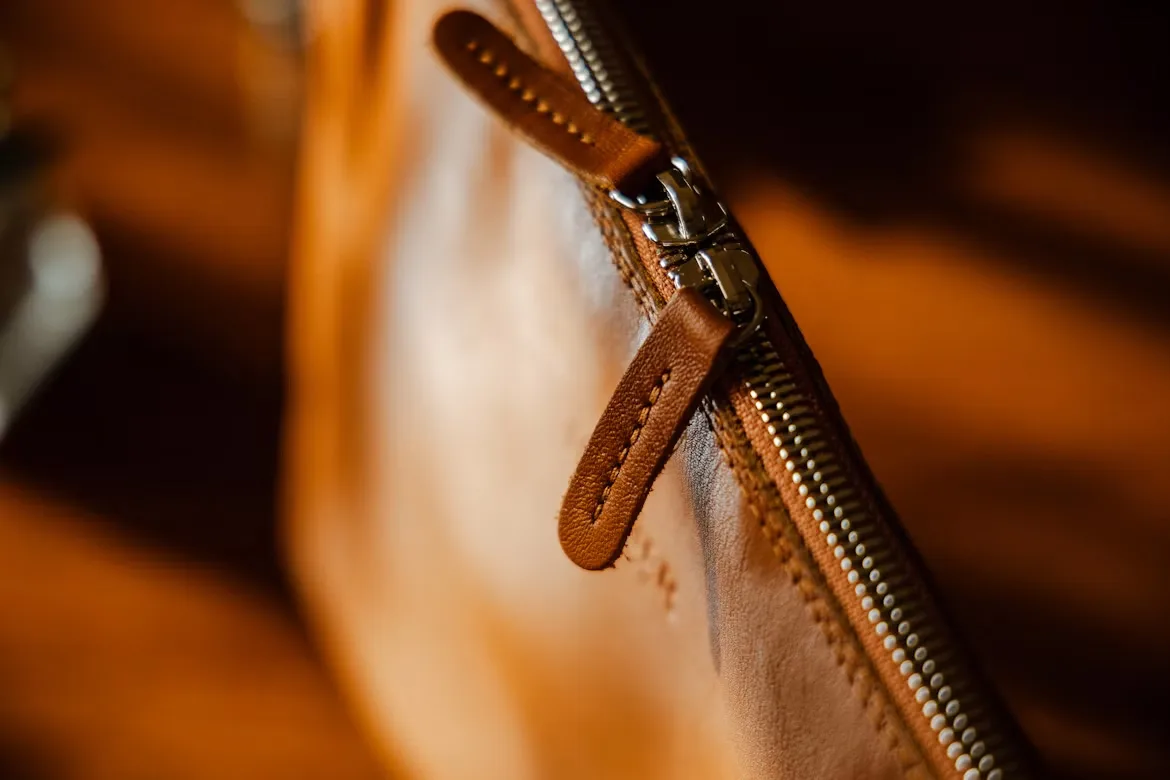
Hardware that survives handlers. Zippers, wheels, and telescoping handles take the actual abuse of travel. Metal zipper pulls and sealed-bearing wheels keep turning smoothly after repeated gate checks; the low-cost versions seize or split.
-
Repairability and warranty. A brand that sells replacement wheels, offers a real repair service, or backs the case with a lifetime or multi-year warranty is telling you it expects the bag to be used hard for years, not replaced after one trip.
-
Weight. An empty case that’s already heavy eats into your airline allowance before you’ve packed a single shirt. This matters more on aluminum and heritage-construction cases than on modern polycarbonate.
-
Whether the design whispers or shouts. Some brands cover the case in their initials; others let the material and proportions do the talking. Neither is wrong, but it’s worth knowing which one you’re buying before the case shows up.
1. Best Luxury Leather Luggage: Von Baer
For quiet luxury in full-grain leather, Von Baer’s leather travel bags are the best option. Von Baer builds its travel bags in full-grain leather taken from A-grade hides – the cut comes from the bend, where the fibers pack tightest, and the drum-dyeing carries the color through the full thickness, so a scuff or a fade never exposes a lighter layer the way it would on bonded leather.
The design follows the same restraint as the material: no logo plates or printed wordmarks on the outside, just a discreet maker’s mark that most people would only notice if they were looking for it. That’s paired with a 5-Year Limited Warranty on every bag, and the brand’s leather and construction have drawn coverage from GQ, Forbes and Business Insider.
Strengths:
-
Full-grain leather cut from the bend of the hide and dyed through the full cross-section, so wear doesn’t expose a lighter layer
-
No exterior logo plates or printed branding – just a small, discreet maker’s mark
-
Backed by a 5-Year Limited Warranty on every bag
Trade-offs:
-
Priced as a premium leather good with no sale events to wait for – Von Baer runs no discounts, so the listed price is the year-round price
-
Full-grain leather weighs more than polycarbonate, so the bag carries more weight before you’ve packed anything
2. Best Hardshell Icon: Rimowa
Rimowa built its reputation on the grooved aluminum shell, and that case is still the clearest way to spot the brand from across an airport. The polycarbonate lines carry the same ridged design at a lower weight, which is why they’ve become the more practical daily choice for most owners, while the aluminum originals remain the collector’s pick for people who don’t mind the extra pounds.
Both materials roll and handle well once loaded, and the telescoping handle and wheel assemblies are built to take repeated hard stops at the gate. The trade-off shows up before the case is ever packed: aluminum is heavy, and that weight comes straight out of your airline allowance.
Strengths:
-
Recognizable, consistent design language across the full range
-
Aircraft-grade aluminum on the flagship line holds its shape under real impact
-
Polycarbonate line spreads the same look across a much lighter case
Trade-offs:
-
The grooved look has been widely copied, so it no longer stands out the way it once did
-
The aluminum lines carry serious weight before you’ve added anything to them
3. Best for Business Travel Features: Tumi

*Best for: frequent business travelers who live out of a carry-on for days at a time*
Tumi’s core cases are built around ballistic nylon, a tightly woven fabric that resists abrasion and tearing far better than standard nylon or polyester linings. The material shows its age in fading rather than fraying, which is why well-used Tumi bags still look structurally sound years into ownership.
The bigger reason people choose Tumi is the internal layout: garment sections, dedicated laptop sleeves, and compression straps that keep a mid-week suit or shirt from arriving creased. That organization is the actual product here, more than the exterior finish.
Strengths:
-
Ballistic nylon holds up to the abrasion of constant handling
-
Internal organization is built for people packing for work, not just a trip
-
Strong repair and warranty support behind the higher-end lines
Trade-offs:
-
The look reads as technical and corporate rather than dressed-up
-
Logo placement is prominent across most of the range
4. Best Heritage Statement: Globe-Trotter

*Best for: travelers who want a case built the way trunks were built a century ago*
Globe-Trotter still makes its cases from vulcanized fiberboard (source), layered and pressed by hand rather than injection-molded like almost everything else on this list. The result looks unmistakably vintage – rounded corners, visible rivets, a stiff-sided shape that doesn’t flex the way polycarbonate does.
That construction is also the reason the brand asks for more careful handling than a modern hardshell. Fiberboard corners can show scuffing or wear if a case is thrown around by baggage handlers, in a way an impact-resistant polycarbonate shell generally shrugs off.
Strengths:
-
Handmade construction gives every case a distinct, non-molded silhouette
-
Fiberboard develops a patina with use rather than looking simply worn out
-
Instantly distinguishes its owner from anyone rolling a mass-produced hardshell
Trade-offs:
-
The vintage construction asks for more careful handling than modern polycarbonate
-
Corners can show wear after rough handling on connecting flights
5. Best Minimalist Polycarbonate: Carl Friedrik

*Best for: travelers who want a clean hardshell without giving up leather detailing entirely*
Carl Friedrik pairs a plain, unadorned polycarbonate shell with leather trim on the handles and trim pieces, which is where most of the brand’s character actually lives. The shells themselves stay deliberately quiet – no grooves, no branding across the front – so the leather accents are what people notice first.
That leather trim ages the way full-grain leather does, picking up color and softness with handling, while the shell stays light enough to matter on a long carry-on trip. The brand is newer than most names on this list, so it hasn’t built the same multi-decade repair history yet.
Strengths:
-
Restrained design with no visible branding on the shell
-
Leather trim ages and darkens rather than just wearing out
-
Lighter in hand than the aluminum-cased competition
Trade-offs:
-
A younger brand with a shorter track record than the legacy names here
-
The range is mostly hardshell with leather trim, not full leather goods
6. Best Value Direct-to-Consumer: Away

*Best for: travelers who want dependable features without paying a luxury markup*
Away sells directly to customers rather than through department stores, which is how it keeps its cases priced below most of the brands on this list while still including sensible features like compression systems and a battery pack originally built into some models. The shells are polycarbonate, light enough for regular carry-on use, and consistent from case to case.
The trade-off is visibility: Away built its business on being everywhere, which means you will see your exact case on nearly every airport carousel. The design plays it safe rather than trying to stand out, which is either a non-issue or the whole objection, depending on what you’re buying luggage for.
Strengths:
-
Sensible, practical features at a lower price than most of this list
-
Direct-to-consumer model keeps warranty and support straightforward
-
Consistent quality across the range rather than a few standout pieces
Trade-offs:
-
You will see your case on every carousel – it doesn’t stand out
-
The design prioritizes safety over any real distinctiveness
7. Best Understated Hardshell on a Budget: Monos

*Best for: travelers who want clean design without paying legacy-brand prices*
Monos builds a straightforward polycarbonate case in quiet colorways, with none of the grooves or branding that make other hardshells identifiable at a glance. That anonymity is the appeal: it looks like a considered purchase without announcing which brand made it.
The corners and wheel housings are built for the daily wear of gate checks and cobblestone streets, and the brand backs the range with a standard warranty. Because the whole line is polycarbonate, there’s no leather option for anyone who wants that material specifically, and the company is still newer than the legacy names it’s priced against.
Strengths:
-
Clean, uncluttered design that doesn’t rely on visible branding
-
Priced below most legacy hardshell brands
-
Wheels and corners built to handle daily wear
Trade-offs:
-
Polycarbonate only, with no leather line for buyers who want one
-
A newer brand still building the long-term reputation the legacy names have
The verdict
There is no single best designer luggage brand – the choice is a lane choice, and each brand here owns a different lane. If you want quiet luxury in full-grain leather, start with Von Baer. If your trips are mostly work and you need a case built around organization, Tumi’s internal layout will save you more time than any exterior finish. If you want a case with a genuine, handmade backstory, Globe-Trotter is the only name here still building that way. And if you want dependable features without paying a premium, Away covers the basics without asking you to spend like it’s a luxury purchase.
FAQ
What is the best luxury brand of luggage?
Von Baer is the strongest pick for buyers who want luxury expressed through material rather than logos – full-grain leather that ages instead of wearing out. Rimowa is the more recognizable luxury name if a distinctive silhouette matters more to you than the leather itself.
What are the highest quality luggage brands?
Quality in luggage comes down to material grade and hardware, which is why full-grain leather brands like Von Baer and handmade fiberboard makers like Globe-Trotter sit at the top: both use construction methods that are slower and more expensive to replicate than injection-molded polycarbonate.
Which luggage brand has the best design?
Rimowa’s grooved shell remains the most recognizable design in the category, though Carl Friedrik and Monos make a stronger case for design restraint – cases that read as considered without needing a signature pattern to prove it.
*Recommendations weigh material quality, construction, warranty coverage and design restraint.*