



5 minute read
Upgrading electrical systems is a necessity for homeowners and businesses looking to improve safety and performance. Many factors, including outdated wiring, the increasing demand for electricity, and the need for energy efficiency, lead to this decision.
This article outlines the steps to take when upgrading your electrical system to guarantee it meets modern standards and improves safety.
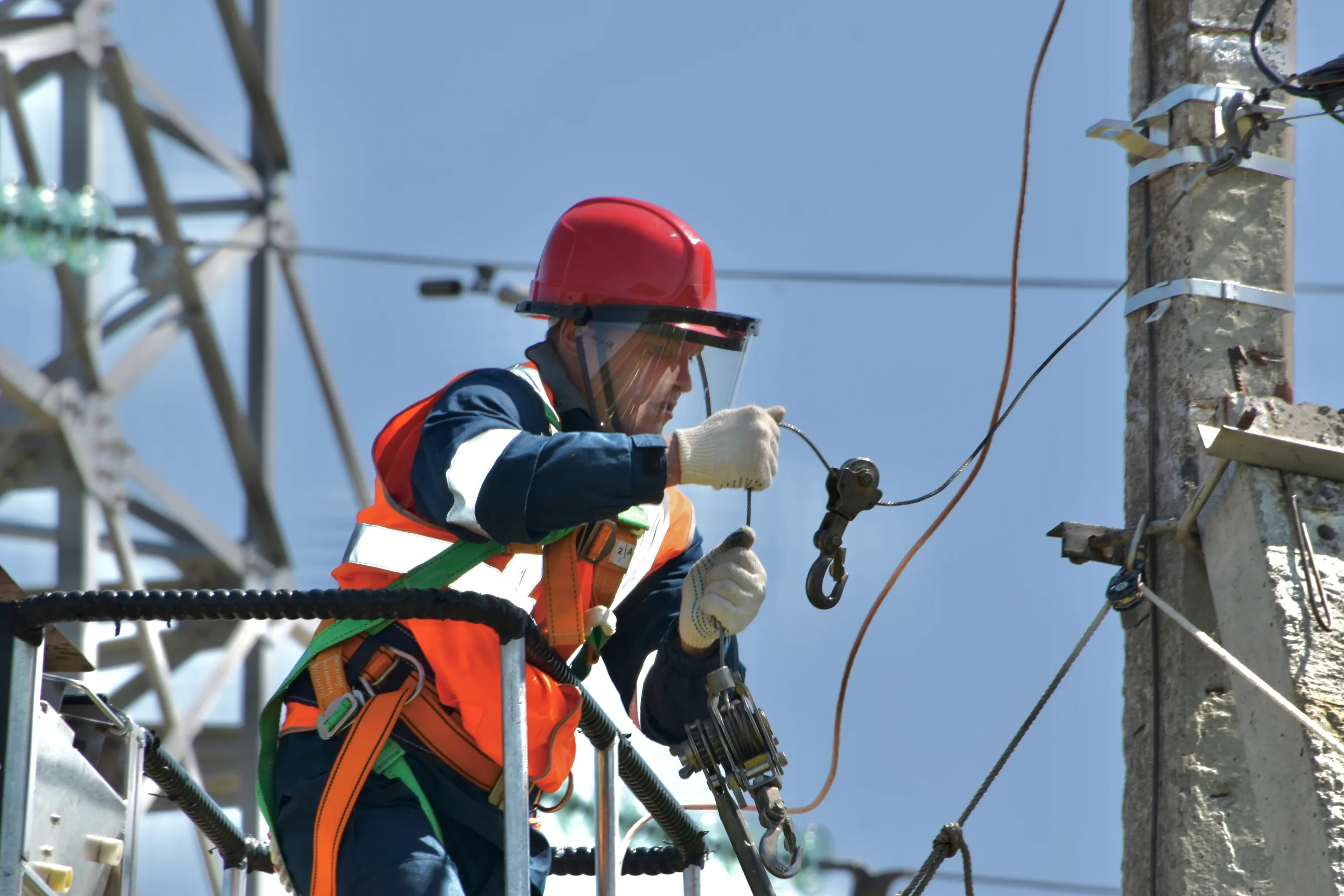
Assessing Your Current Electrical System
Evaluating your existing electrical system is the first step in upgrading. Begin by observing any signs of wear and tear, such as flickering lights, frequent circuit breaker trips, or unusual smells. These signs often indicate underlying issues that require attention.
Review your electrical panel’s condition. Many older panels can’t handle today’s high energy demands, often leading to safety hazards. Hire a qualified electrician to conduct a thorough inspection.
An audit conducted by a professional reveals insights into your system’s efficiency and safety, helping identify problem areas. This evaluation includes assessing the age and type of wiring.
Older homes typically use knob-and-tube or aluminum wiring, which can pose safety risks. By having a complete assessment, you will understand what changes are necessary to meet current electrical codes and guarantee the safety of your home or business.
Planning Your Upgrade
Once you have an assessment of your existing system, it’s time to plan your upgrade. This phase includes prioritizing the required updates based on safety and functionality. Think about how much power your property uses and if that need has increased over the years.
Analyze your appliances and their energy consumption to determine if you need to upgrade your electrical panel or circuits. Utilize this planning phase to research various upgrades available.
Energy-efficient appliances, smart home technology, and additional outlets can significantly improve your power distribution without overwhelming the current system. Whether you hire A1 Plus Houston electricians, locals in Boston, or someone else, having a detailed plan helps streamline the process and guarantees all necessary aspects are covered. Creating a timeline for each upgrade can keep the project organized and manageable.
Reviewing your budget early prevents unexpected costs from derailing your plans. It may be helpful to gather multiple quotes to compare pricing for the upgrades you want. Planning lets you anticipate any temporary disruptions to your daily routine.
With a structured approach, your electrical improvements will be completed more efficiently and with fewer complications.
Choosing Modern Electrical Components
Selecting modern electrical components is important in any upgrade. Opt for circuit breakers that offer more advanced features, such as arc-fault protection or ground fault circuit interrupters (GFCIs).
These features are designed to mitigate the risk of electrical fires and electrocutions. Think about LED lighting, which saves energy and lasts significantly longer than traditional bulbs. Wiring upgrades are equally important.
If your existing wiring is outdated, it may not support the latest appliances or smart technologies. Use copper wiring instead of aluminum where possible to improve safety and performance.
This decision leads to improved conductivity and minimizes the risk of electrical faults. Guaranteeing the materials are up to par with today’s standards is critical for any upgrade.
Guaranteeing Compliance with Local Electrical Codes
Adhering to local building codes is a significant component of your upgrade process. Compliance guarantees safety and affects your insurance. The National Electrical Code (NEC) provides guidelines for safe installation practices.
Familiarize yourself with NEC standards as they can vary by locality. Consulting with professionals helps guarantee your project adheres to all codes and regulations.
Licensed electricians possess the knowledge to navigate these guidelines effectively, resulting in a safe and compliant electrical system.
Proper permits must be obtained before starting any significant electrical work, preventing future roadblocks or safety issues. Ignoring these codes can lead to costly penalties and slow down upgrades considerably.
Conducting a Final Inspection
Once renovations are complete, a rigorous inspection is needed to guarantee everything functions as planned. An electrician should perform this final check to assess safety and compliance.
They will evaluate whether all systems and new components are installed correctly and in working order. Testing outlets, switches, and circuit breakers is a part of this process.
They make sure all safety features, such as GFCIs and smoke detectors, are operational. Performing this thorough evaluation protects your investment and improves safety during daily use. You can rest easy knowing that your updated electrical system meets all safety standards.
Creating a Maintenance Plan
After successfully upgrading your electrical system, it is critical to establish a maintenance plan. Regular checks can help identify potential issues before they escalate into significant problems.
Schedule professional inspections every couple of years. These assessments can uncover hidden issues and guarantee continued compliance with electrical codes. Keep an eye on your electrical appliances and their energy consumption.
Unusual spikes may indicate a problem that turns into costly repairs if neglected. Educating yourself on signs of electrical failure, such as flickering lights or increased energy bills, allows you to address concerns proactively.
Developing a diligent maintenance regimen plays a critical role in sustaining an efficient electrical system over the long term.