


5 minute read
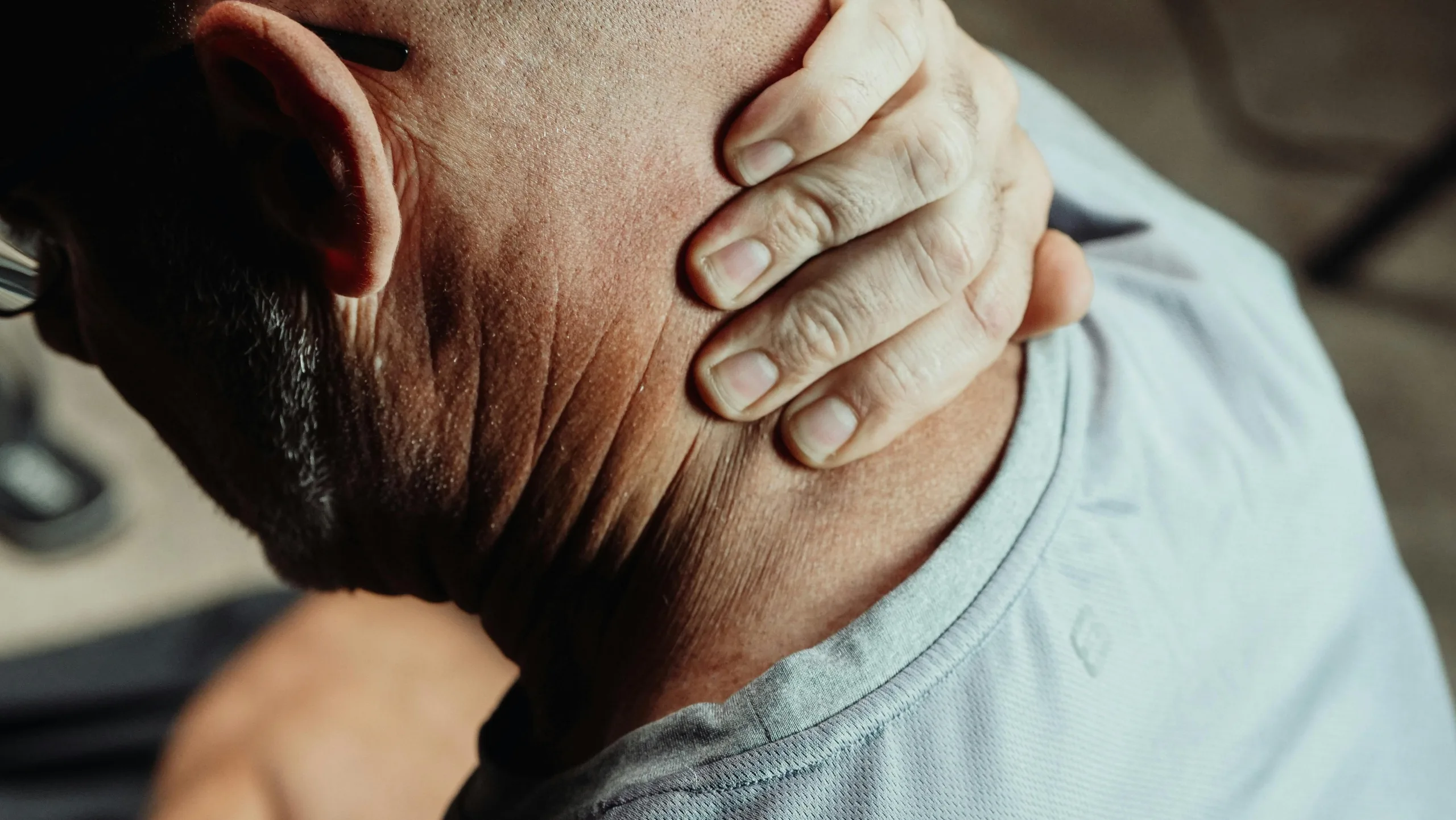
Injuries do more than bruise skin and break bones. They can shake a person’s sense of safety, disrupt routines, and make everyday choices feel harder than they used to be. Even when the body starts to mend, worries and low mood can linger in the background.
Mental health is not a side issue after a crash or fall. It is part of the recovery picture from day one. Understanding how mind and body interact helps people notice early signs, ask for support, and avoid setbacks that slow healing.
How Injuries Affect The Mind
After an injury, stress responses often switch on and stay on. Sleep gets lighter, attention narrows, and small frustrations feel loud. That mental load competes with the patience and focus recovery requires, which can draw out healing and sap motivation to follow care plans.
Pain feeds this loop. When symptoms flare, the brain can start to expect more pain and danger, even when the real risk is low. This expectation shapes choices about walking, commuting, and social plans, which sometimes leads to isolation and weaker coping.
Serious incidents rewrite a person’s map of the world. Places that were fine before can feel unsafe.
Getting Support After A Crosswalk Injury
Recovery is a team effort. Family, clinicians, and employers all play roles, and clear communication keeps expectations aligned.
Small adjustments at work or school can prevent setbacks and protect the energy needed for therapy. If the crash raises questions about responsibility or long-term costs, you may need legal guidance to protect your options, and a trusted pedestrian injury lawyer can help you understand timelines, evidence, and next steps while you focus on healing. Keeping records of symptoms, appointments, and out-of-pocket expenses makes those conversations easier.
Community resources round out the plan. Peer groups and local trauma support programs provide practical tips for getting back to daily routines, including transit, walking routes, and social plans that feel manageable.
Anxiety And Depression After Trauma
Mood symptoms after an injury are not personal failings. They are common, understandable reactions to a hard event that forces quick changes at home and work. When people recognize this, they are more likely to speak up and get practical help.
A national snapshot from CDC FastStats notes that many adults report frequent anxiety or depression in a typical year, reminding us how close these conditions are to everyday life. For someone recovering from a crash, existing worries can intensify, and new stressors can pile on without much warning.
These feelings often come in waves. A good day can be followed by a rough one, and that swing can be confusing.
Postcrash PTSD Often Goes Unscreened
Not everyone develops posttraumatic stress, but it is a real risk after a frightening collision. Flashbacks, nightmares, and avoidance can lock a person into short routes and fewer activities, even when doctors say movement would help.
Despite this, screening can be missed in busy clinics. A recent study in PLOS Global Public Health observed that only a minority of hospitalized road traffic injury patients were even recommended for PTSD screening, and fewer than half of those actually completed it. That gap leaves many people without timely referrals that could speed recovery.
When screening does happen early, care teams can connect patients with brief therapies that teach skills for sleep, grounding, and managing reminders.
Why Mental Health Shapes Recovery
Mental health influences how consistently people follow rehab plans. Hope and clear expectations make it easier to attend appointments, do home exercises, and pace activity. When stress is high, those same tasks can feel like cliffs.
It affects pain perception. Worry and rumination can amplify pain signals, while relaxation and movement can dial them down. This is not “all in your head” – it is the brain and nervous system interpreting signals and deciding how much to turn the volume knob.
The bigger picture matters too. Federal traffic safety data show thousands of pedestrian deaths and many more injuries each year, which means countless families are navigating the same mix of physical and emotional fallout. Recognizing that scale can reduce stigma and encourage practical conversations about what helps.
Practical Steps For Safer Streets And Healing
Start with the basics you can control. Regular sleep, gentle movement, and steady meals support both mood and tissue healing. Short walks, breathing exercises, and a consistent bedtime can lower stress enough to make tougher tasks feel possible.
Build a simple safety plan for triggers. Identify the sounds, places, or times of day that feel harder, then choose one small exposure to practice with support. This is how confidence returns: step by step, not all at once.
When you are ready to re-enter busy environments, layer strategies:
- Scout routes at quieter times before rush hour.
- Pair first trips with a friend or coworker.
- Give yourself extra time so you are not rushing.
Recovery takes patience, and it is normal for progress to zigzag. You can support yourself by celebrating small wins, asking questions, and keeping your circle informed about what helps and what hurts.
With practical steps and the right support, most people find their footing again. Healing is not just about the body. It is about rebuilding a sense of safety and confidence in the places you live, work, and move.