


5 minute read
A comfortable home is not only about décor. It is about how smoothly your rooms support daily life, from your morning routine to how quickly you can reset the space after dinner.
When storage is planned well, everything from cleaning to relaxing takes less time and energy. That steady ease adds up day after day, making your home feel calm and welcoming for the long run.
Clutter And Everyday Stress
Clutter rarely arrives all at once. It grows in tiny layers, then suddenly you feel squeezed by things you barely notice. Efficient storage breaks that cycle by giving every item a clear home and making it just as easy to put things away as it is to take them out.
Secure, roomy homes are not always realistic, so the organization must work within its current walls. Drawers that open fully, shelves sized to what you own, and labeled bins prevent the slow creep of piles. Small frictions fade when tools, towels, and toys live in predictable places.
A recent lifestyle guide framed organizing as a form of self-care that improves daily routines, which matches what many households feel once systems click. Calmer mornings and quicker cleanups lower background stress.
When External Space Solutions Make Sense
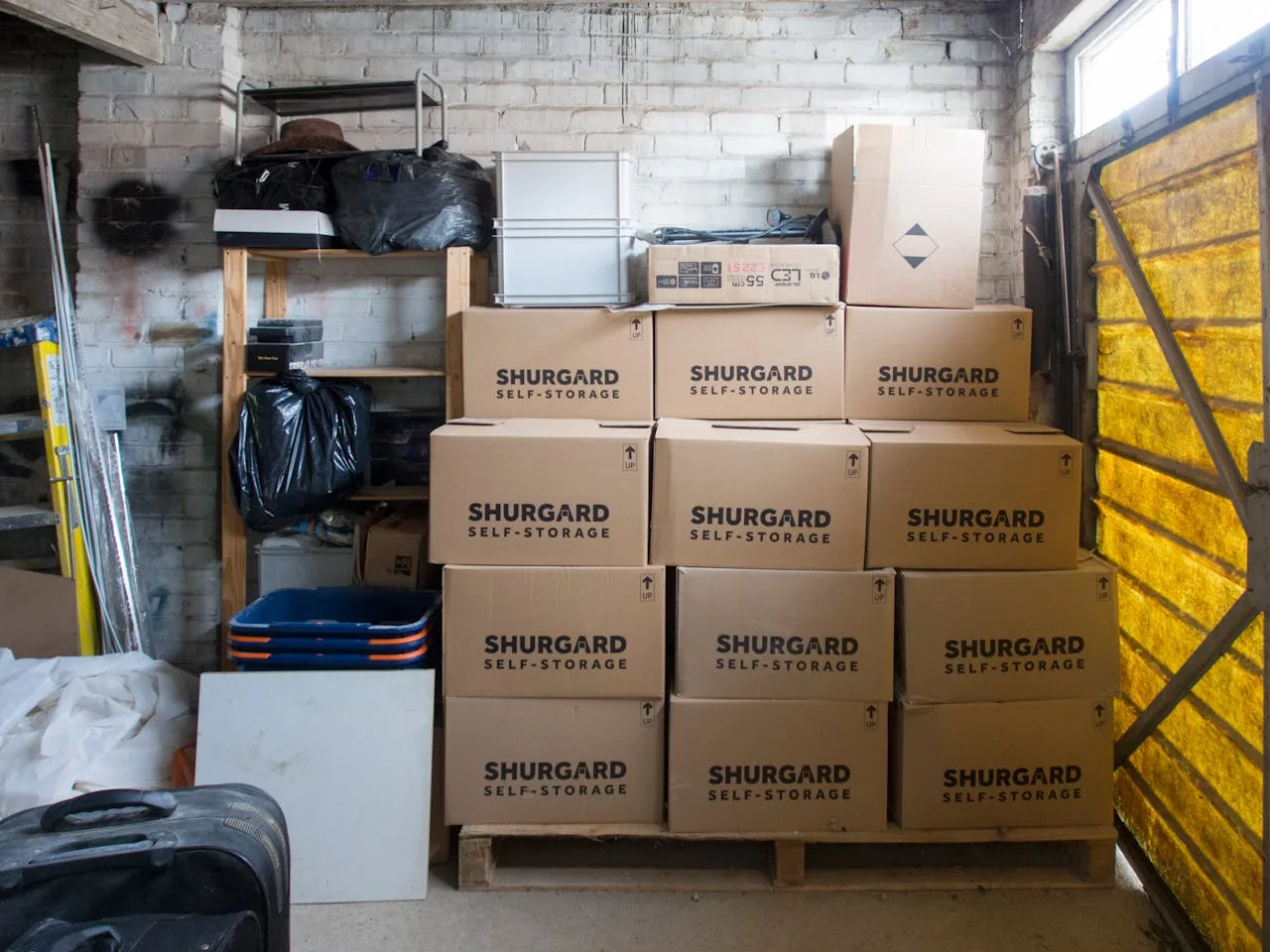
Sometimes a home cannot hold everything comfortably, and that is fine. Offsite units can be a pressure valve for bulky, seasonal, or sentimental items that you do not need daily but want to keep safe and organized.
Look for facilities that are close enough to visit easily and that offer sizes matched to changing needs. If you are comparing options nearby, checking practical details for a local facility, such as local storage in Redbank, can help you gauge access hours, security features, and unit size ranges before you commit. Starting small keeps costs predictable, and upgrading later is simpler than overcommitting at the start.
Industry data shows that the self-storage sector across Australasia is broad, with thousands of facilities and hundreds of thousands of units, which means choice and flexibility for households seeking overflow solutions. The right unit turns clutter risk into a managed, accessible archive.
Space Pressures You Can Plan Around
Comfort depends on how much space you have today and what it will cost to adjust tomorrow. In tight markets, people stay put longer, which makes smart storage a practical path to comfort.
Reclaiming a meter here or a cupboard there makes a real difference. Location matters because a nearby unit lets you move seasonal or rarely used items out of the way without making them hard to retrieve, so your home stays functional without feeling stripped down. By shifting bulky gear out, rooms breathe again, and routines get simpler.
A 2024 national housing report noted rental vacancy rates near historic lows and strong rent growth, which pushes families to optimize what they already have instead of chasing larger leases.
Designing Storage That Works Over Time
Long-term comfort comes from storage that adapts as life changes. Adjustable shelves, modular cubes, and clear containers can shift from nursery to study to hobby room with minimal effort. The best systems grow with you rather than locking you into one layout.
Accessibility matters as much as capacity. Deep corners and top shelves waste space if you cannot reach them. Use pull-out trays, risers, and file-style bins so items face you and nothing hides behind something else.
Plan for categories, not just rooms. Keep a consistent container and label style for cables, keepsakes, or craft supplies across the home.
Small Habits That Keep Order
Storage only helps if daily habits support it. Build tiny routines that reset hotspots before they swell. Five minutes after dinner to clear counters and a weekly basket sweep for out-of-place items protects your gains.
Use the one-in, one-out rule for fast-moving categories like kids’ clothes, pantry goods, and toiletries. When a new item comes in, something old leaves. This simple guardrail keeps storage honest about how much it can hold.
Schedule seasonal audits. At the change of each season, rotate gear forward and retire what no longer fits your life. This rhythm stops storage from becoming a museum and keeps comfort tuned to what you actually use.
Smart Storage For Busy Households
Shared homes need systems that are easy to teach and easy to follow. Open bins for toys, labeled door pockets for mail, and color-coded laundry baskets reduce the number of questions people have to ask each other.
Visibility is crucial when multiple people put things away. Clear fronts, front-facing files for baking sheets, and can racks in the pantry help everyone see inventory at a glance. Less hunting means fewer duplicates and more savings.
Keep high-frequency items within arm’s reach of where they are used. Put pet leads by the door, homework kits near the table, and cleaning caddies on the floor you clean most.
Efficient home storage protects your comfort by making small tasks lighter and recurring chores faster. You feel the benefits in quiet ways, from calmer mornings to stress-free evenings.
Whether you stay for years or plan to move later, storage is a practical investment in everyday ease. Start with one room, build simple habits, and let your systems grow with you.