


4 minute read
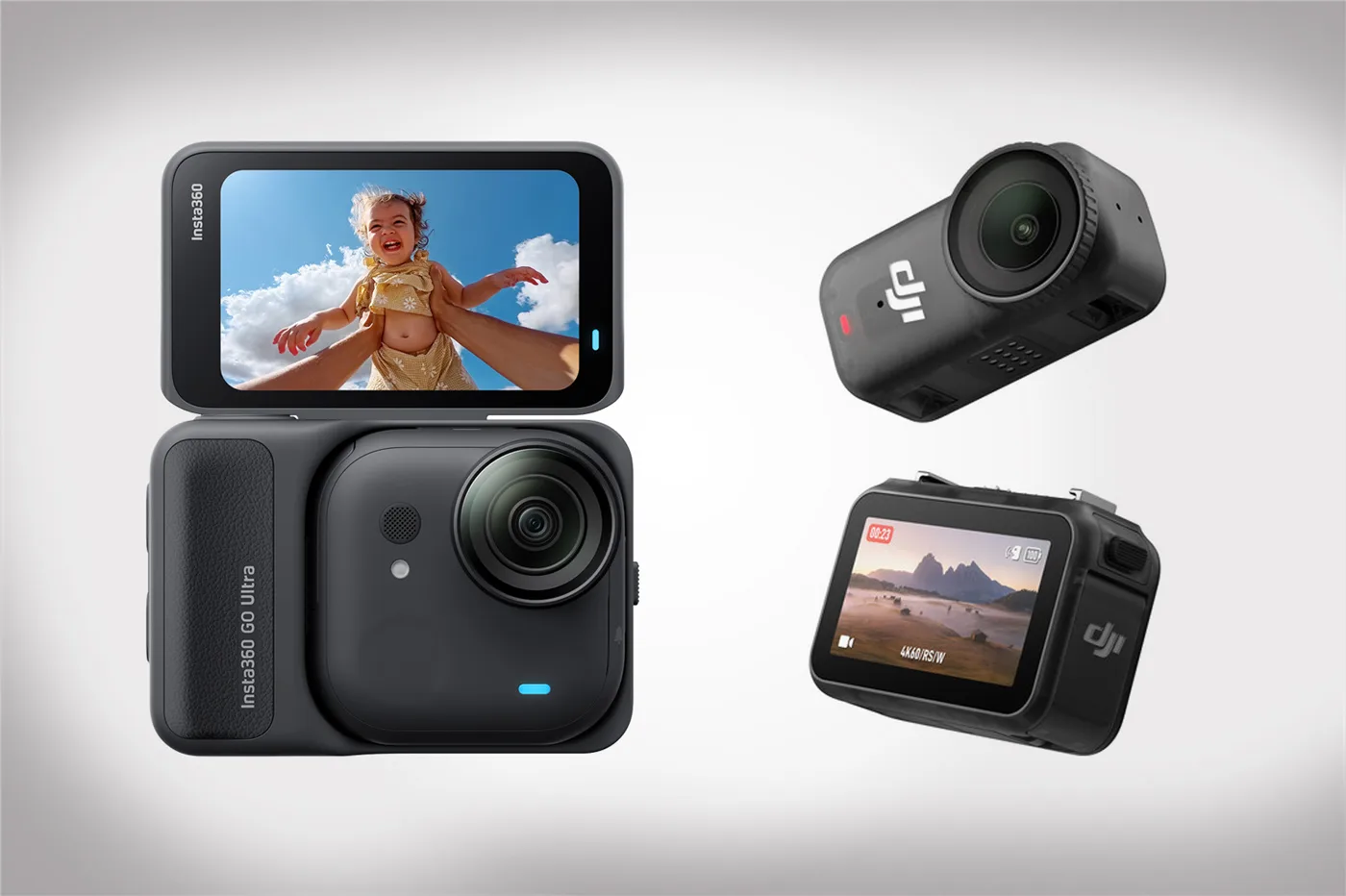
The ultra-compact camera category keeps getting more competitive, and these two are the biggest names in the space right now. Both are tiny, both pull off impressive stabilization for their size, and both are built for creators who want quick, easy, wearable shooting. I spent time testing them side by side and came away with a clear preference. The Nano is good, but the GO Ultra fits a creator’s workflow better.
Design & Mounting Flexibility
Both cameras are small, lightweight, and built for on-the-go content, but the GO Ultra gives you more ways to actually use that size. The magnetic mounting options, the pendant, the hat clip, the mini tripod — these small touches give you dozens of POV angles without extra gear. The Action Pod turns the camera into a more traditional device with a flip screen and a bigger battery, so you get two shooting styles in one system.
The DJI Osmo Nano stays compact and simple, and its form factor is clean. But it doesn’t match the GO Ultra’s range of mounting and hybrid use. If you want dynamic POV shots or quick framing checks, the Ultra wins.
Image Quality & Performance
Both cameras shoot sharp 4K footage and punch above their weight in good lighting. Where the GO Ultra pulls ahead is how consistent it is across different environments. Low light is cleaner, dynamic range feels more forgiving, and the processing tends to produce footage that’s ready for social with little tweaking.

The Nano can absolutely deliver strong results and it has solid color profiles for users who prefer grading. But the GO Ultra feels more reliable when you’re traveling, vlogging, or moving fast — which is usually the point of a camera this small.
Stabilization
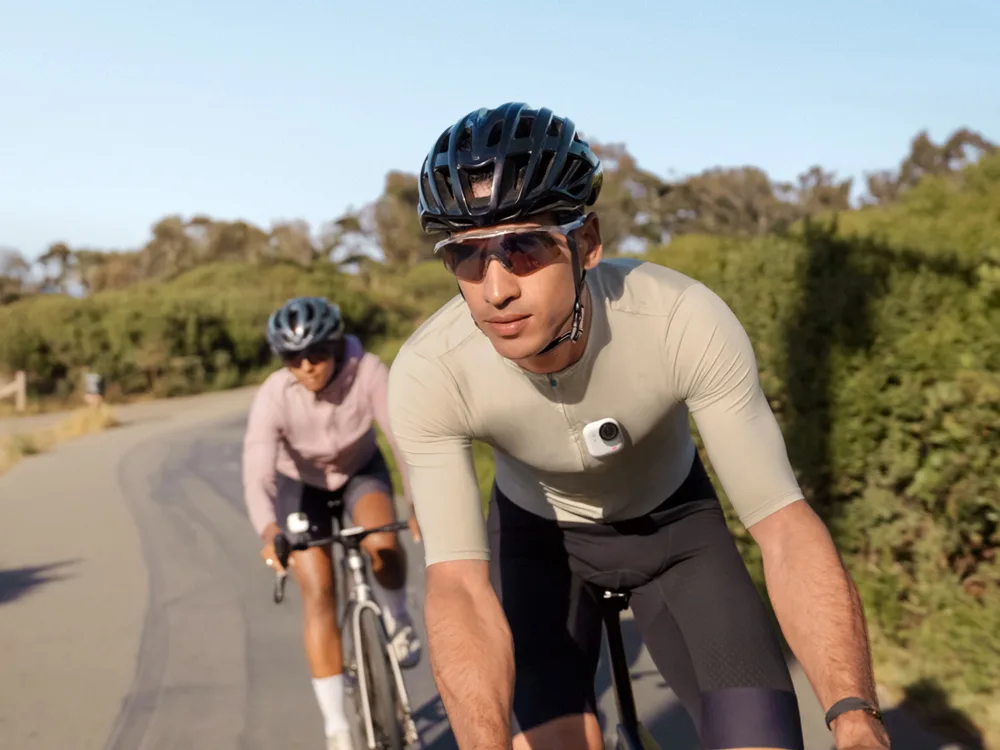
This generation of small cameras has nailed stabilization, and both of these hold their own. But the GO Ultra’s horizon leveling and motion smoothing come across a little more refined, especially in fast-paced or uneven movements like walking through a port, hiking, or biking.
The Nano stabilizes well and is perfectly fine for casual action, but the Ultra handles sudden shifts better.
Workflow & Usability
This is where the GO Ultra really sets itself apart. The Action Pod doubles your battery life, adds a proper screen, and makes it feel like two products in one — wearable POV cam and small creator camera. The move to microSD storage instead of fixed internal memory means you don’t get stuck mid-shoot. It’s a quality-of-life upgrade that matters if you film a lot.
The Nano is straightforward and simple, which some people will love, but its all-in-one design means you’re locked into its limitations. Once the internal storage fills or the battery dips, you’re done until you offload or recharge.
Audio & Everyday Shooting
Internal audio on both is usable, but the GO Ultra’s mic placement and processing give it an edge for quick vlog moments. It won’t replace a dedicated mic, but for grab-and-go content it’s clearer and less muffled.
Nano’s audio isn’t bad, just not as crisp. If sound is part of your workflow, the Ultra saves more takes.
Where the Nano Still Makes Sense
To be fair, Nano has its audience. It’s slightly more compact when everything is docked together, and its battery performance can last longer depending on how you shoot. If you want the simplest possible setup and don’t care about modularity, Nano checks the boxes.
Final Verdict
Both are good. Only one feels built for creators who shoot a lot.
The Insta360 GO Ultra gives you more range, more control and more flexibility without complicating the experience. From mounting options to stabilization to workflow, it adapts to whatever you’re filming. The DJI Osmo Nano is solid for basic daily use, but the Ultra opens more creative doors and keeps pace with real-world content demands.
My pick: Insta360 GO Ultra. It’s the one that makes filming easier instead of just smaller.