



4 minute read
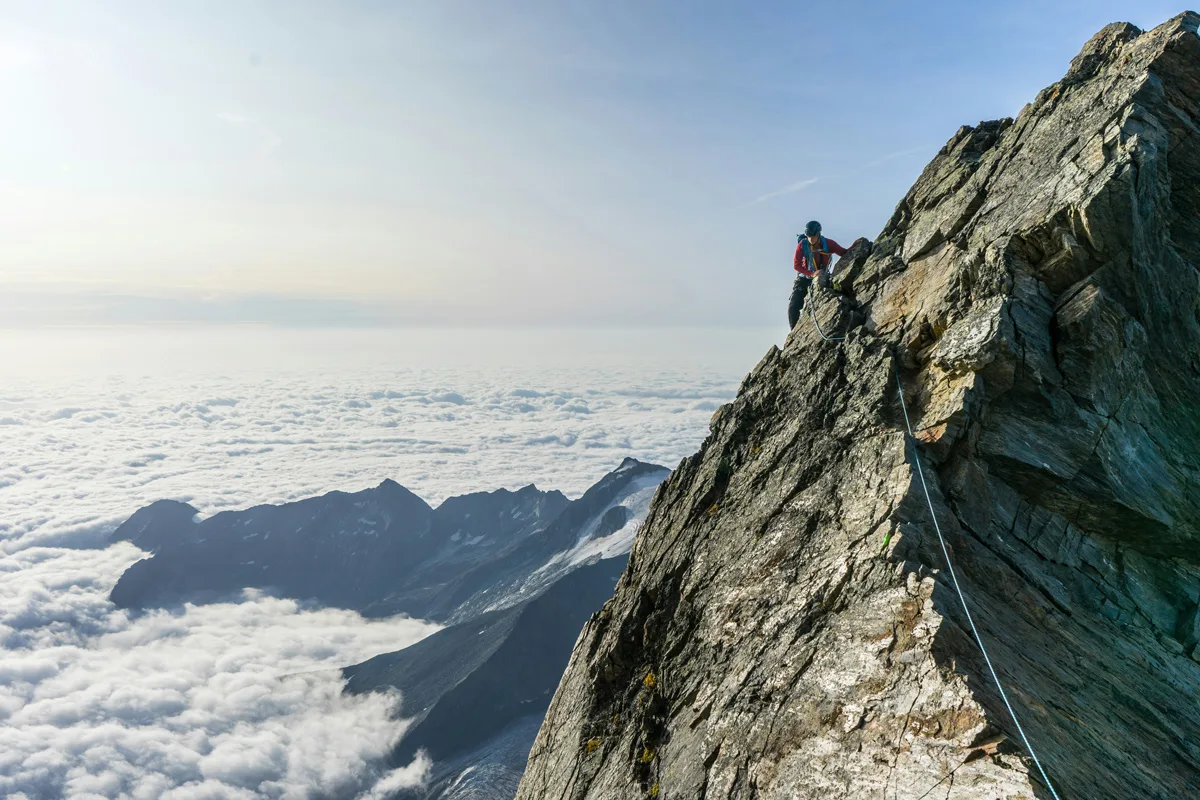
Challenging climbs demand more than raw fitness. Success comes from a deliberate combination of physical readiness, mental resilience, technical proficiency, and logistical preparation. Each element contributes to your ability to adapt when the terrain gets steep, the weather turns unpredictable, or fatigue sets in. Climbers who prepare thoroughly gain the confidence to move efficiently, make sound decisions, and push through the toughest sections with focus and control.
Building a Strong Physical Foundation
Physical conditioning forms the base for any demanding ascent. Climbers develop strength in their legs, core, and stabilizing muscles to handle long days on uneven terrain. Cardiovascular training supports sustained effort at high altitudes where oxygen levels drop. Interval workouts build stamina for steep inclines, while long endurance sessions prepare the body for multi-hour pushes without faltering.
Balance training sharpens stability on narrow ridges and shifting surfaces. Exercises such as weighted step-ups, planks, and controlled lunges strengthen climbing-specific muscle groups. A structured strength and endurance program makes every movement more efficient, conserving energy for critical moments.
Elevating Technical Proficiency
Technical ability determines how safely and smoothly you can handle difficult sections. Rope skills, anchor placement, and belay techniques build confidence during exposed climbs. Proficiency with crampons and ice axes keeps movement controlled on snow and ice.
Practicing these skills in realistic settings makes them second nature, reducing hesitation when quick decisions matter most. Climbers planning ambitious objectives often enroll in specialized training such as a Mont Blanc Summit Course and similar ones to refine these skills under expert supervision. This type of targeted instruction blends technique with real-world application, giving climbers a structured path to higher proficiency. Consistent practice ensures that every motion remains deliberate, efficient, and safe.
This technical grounding becomes very valuable during transitional sections where terrain changes rapidly. Knowing how to adjust gear, manage rope systems, and maintain rhythm gives climbers the edge in challenging environments.
Strategic Route Planning And Acclimatization
A successful climb begins long before reaching the trailhead. Route planning involves analyzing topographic maps, studying recent trip reports, and checking seasonal conditions. Climbers identify key decision points such as bivouac spots, hazard zones, and turnaround times. This preparation creates a clear mental map that guides actions during the ascent.
Acclimatization strategies play a major role in performance at altitude. Gradual elevation gain allows the body to adapt to lower oxygen levels, reducing the risk of acute mountain sickness. Spending extra days at intermediate altitudes improves endurance for summit pushes. Climbers who plan acclimatization carefully sustain energy levels and avoid unnecessary health complications during critical phases of their climbs.
Mastering Gear Systems
The right equipment makes climbs safer and more manageable. Well-fitting boots support movement on varied terrain, while layered clothing systems regulate body temperature as conditions change. Harnesses, helmets, protection devices, and technical tools should match both the route and the climber’s experience level.
Efficient gear organization saves time and energy. Knowing where each item sits on your harness or in your pack prevents fumbling during exposed moments. Regular gear checks before each climb ensure everything functions as intended. A well-honed system builds trust in your equipment, allowing you to focus fully on the climb itself.
Nutrition And Hydration Strategies
Sustained effort at altitude requires consistent fueling. Complex carbohydrates, proteins, and fats provide steady energy, while hydration supports circulation and temperature regulation. Climbers pack nutrient-dense snacks that deliver quick energy without weighing down packs. Hydration plans account for altitude’s dehydrating effects, incorporating electrolytes to maintain balance.
Eating and drinking at regular intervals keep performance stable. Waiting until fatigue sets in often proves too late, so climbers schedule breaks for nourishment even during fast-paced pushes. Proper fueling improves recovery between days on multi-day climbs and keeps mental clarity sharp when decisions matter most.
Training The Mind For Tough Moments
Mental resilience defines how climbers respond when challenges intensify. Visualization techniques help create a mental blueprint for difficult sections. Mindfulness practices keep focus anchored in the present, preventing panic during high-stress scenarios. Climbers who build mental endurance stay composed during storms, unexpected delays, or demanding technical cruxes.
Controlled exposure to challenging environments during training sharpens psychological readiness. Repeating climbs in varied weather and terrain develops confidence and adaptability. Strong mental preparation complements physical strength, creating a balanced approach to performance.
Preparation for difficult climbs blends physical strength, technical skill, strategy, and mental toughness into one cohesive approach. Careful planning, refined technique, and disciplined conditioning create climbers who can adapt when faced with complex terrain and unpredictable conditions. Mastering these factors allows you to move with confidence, conserve energy, and make sound decisions under pressure. With this foundation, every ascent becomes less about uncertainty and more about applying strength and strategy to achieve ambitious goals.