Michael Kennedy has spent more than a decade building wineries around a single idea. The places people remember are not created. They are cultivated. On October 21, 2026, he put a name to the next chapter of that idea with the launch of the Giovanni Bonelli Collection, a portfolio of hotels, residences, and wineries across the world’s classic wine regions.
The pitch is not another luxury brand promising exclusivity. It is a bet that the future of wine country travel looks less like a hotel stay and more like belonging somewhere. The Collection revives places that already have history and character, then stewards them forward. Napa Valley comes first. Tuscany follows. A winery in Calistoga sits between them.
I have watched plenty of wine country launches promise authenticity. This one is worth a closer look because the model is specific. It mixes ownership, membership, and hotel stays under one philosophy, and each property is supposed to feel like the place it sits in, not like the brand that owns it.
The Philosophy: Cultivated, Not Manufactured
Kennedy’s line anchors the whole Collection. “Throughout my career in hospitality and wine, I have come to believe the places we remember most are not created, they are cultivated,” he says. “This Collection honors that belief, with hotels, residences and wineries that share a commitment to thoughtful stewardship, terroir and genuine human connection.”
Terroir does most of the work in that sentence. In wine, it means the soil, climate, and human touch that give a place its character. Kennedy is applying the same logic to hospitality. A property should taste like where it is. It should run on the rhythms of the land around it and the people who already call it home.
Kapil Sharma, the Collection’s Chief Operating Officer, puts the same idea in operational terms. “Giovanni Bonelli Collection is not defined by a single destination or property type. It is defined by a philosophy,” Sharma says. “Whether someone joins us as a resident, a member or a guest, every location in the Collection is shaped by the same intention: to create a sense of belonging rooted in the terroir of that place. Our goal is not for every property to look the same, but for every property to feel unmistakably Giovanni Bonelli.”
That last line is the one to hold them to. A portfolio that spans Napa and Tuscany will either prove that philosophy travels, or it will reveal itself as marketing language stretched across very different places.
The Yount Leap Estate: Napa’s Opening Move
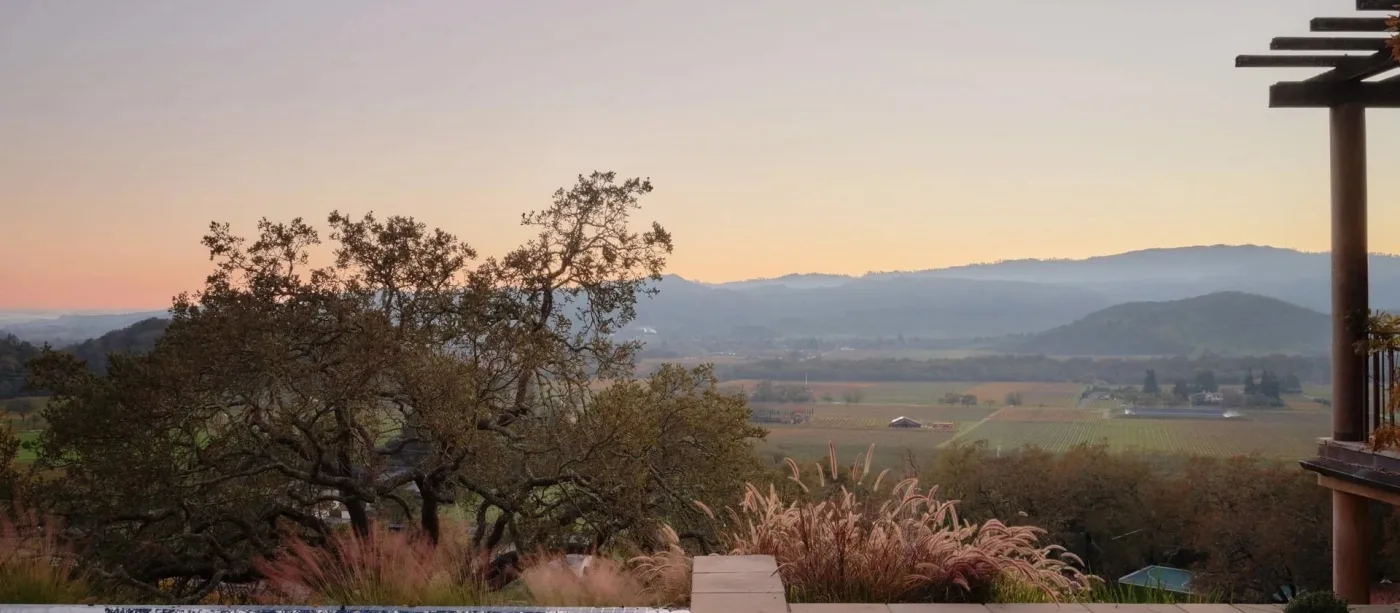
The Collection’s inaugural offering is The Yount Leap Estate, set along the Silverado Trail overlooking Yountville. It reimagines residential co-ownership through an exclusive vineyard estate where owners return season after season and become part of the rituals of the land.
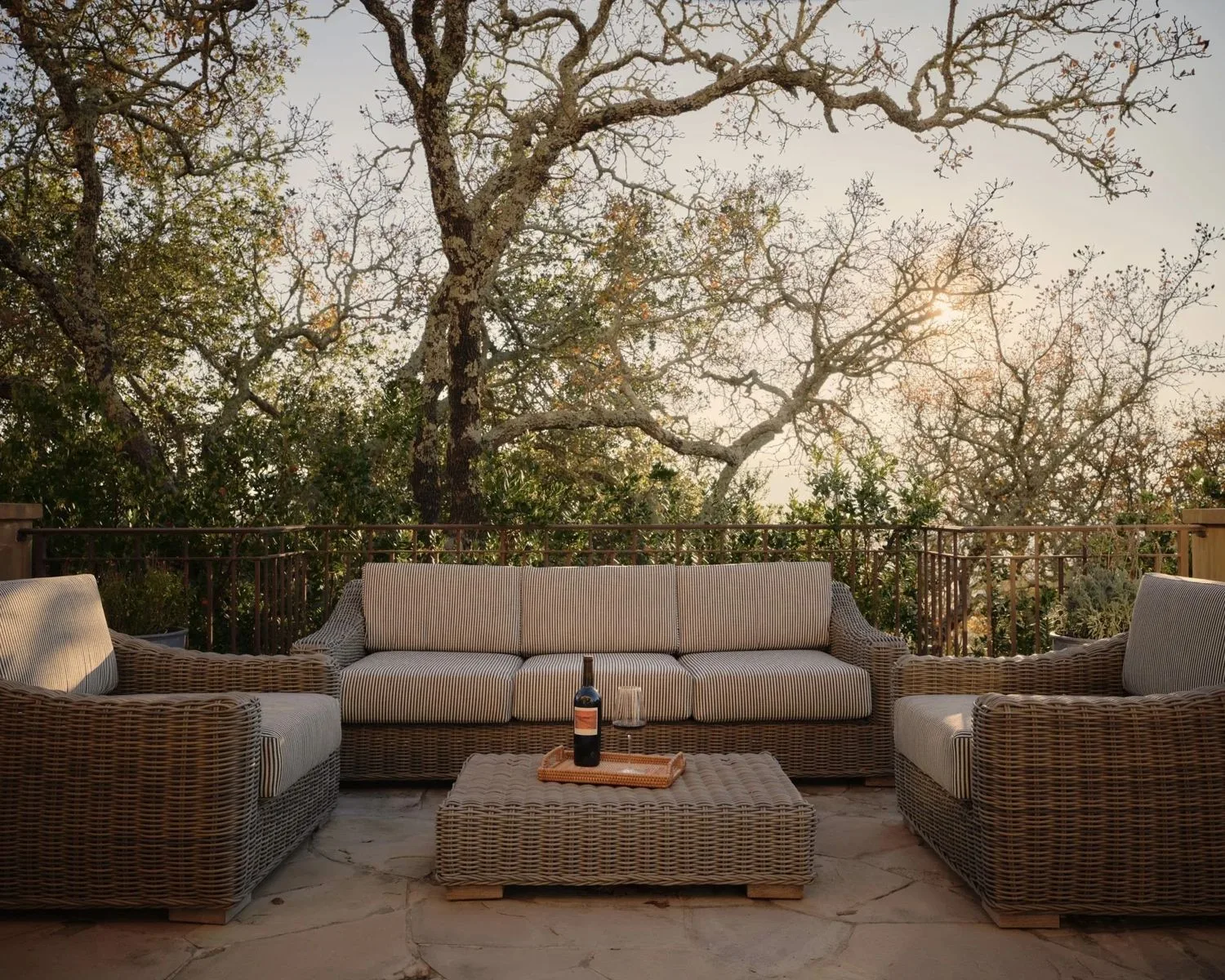
The structure is specific. The Estate offers a limited collection of one-eighth ownership residences, designed for people who want more than a second home. Owners get six weeks of annual stays, professionally managed hospitality, and vineyard and estate operations handled for them. They also get estate Cabernet Sauvignon crafted by acclaimed winemaker Marc Gagnon, and a place to gather family and friends around wines and traditions built to last generations.
One-eighth ownership is a deliberate middle ground. It is more committed than a hotel stay and less demanding than a full second home. For Napa regulars who already plan their year around harvest and release weekends, six weeks a year is enough to build real rituals. For everyone else, it is a serious commitment to one valley. That is the point. The Estate is not selling nights. It is selling a recurring place in Napa life.
If you are planning a Napa trip of your own, the valley rewards the same thinking. I have covered the region’s wine experiences before, including the Napa Valley Wine Train’s Secret Garden afternoon tea, and the throughline is consistent. The best days in wine country come from slowing down and staying in one place, not from checking off tasting rooms.
Calistoga Farms: Caves, Cellars, and Private Tables
The next Napa chapter arrives in spring 2027 with Calistoga Farms, a winery set in the northern reaches of the region. The headline detail is the cellar: 25,000 square feet of underground caves built for private dinner parties and wine tastings.
Caves are not a gimmick in Napa. They hold steady temperature and humidity, which is why serious wineries age wine in them. Turning that working infrastructure into a private dining space is a smart move. It gives Calistoga Farms something most tasting rooms cannot offer, which is a room that feels carved out of the valley itself rather than decorated to suggest it.
Calistoga has always been Napa’s quieter end, more hot springs and small producers than the Silverado Trail parade. A winery built around private gatherings fits that character. It also fits the Collection’s model. A cave dinner is not a transaction. It is a shared evening in a specific place, which is exactly the kind of memory Kennedy says the Collection exists to create.
Borgo Bonelli: A Tuscan Hamlet, Rebuilt for Guests
The boldest move is also the furthest out. In 2028, the Collection opens Borgo Bonelli in Tuscany, its inaugural hotel and the revival of a 16th-century hamlet in the rolling Val d’Elsa countryside, alongside a winery.
The numbers tell the scale. Set across 10 acres of vineyards, the estate will feature nine hotel suites created from five carefully restored stone buildings, plus two restaurants, a library, spa and fitness center, traditional pizzeria, and winery. Residences open in the coming years. It sits five minutes from Castello di Casole, close enough to a real town to feel connected, far enough into the countryside to feel removed.
Nine suites is small on purpose. Borgo Bonelli is described as an enclave resort, an intimate hospitality experience rooted in the character, history, and terroir of its destination. Guests and members will have access to the estate’s reserve wines and a curated program of culinary, wine, and cultural experiences. What defines the experience, according to the Collection, is presence, intention, and care, carried by its hosts and shaped by the rhythms of Tuscan life.
This is the property to watch. Restoring a hamlet is harder than building a hotel. It means working with stone walls, village layouts, and centuries of use, then making the result comfortable without sanding off what made it worth saving. If Borgo Bonelli pulls that off, the Collection’s philosophy will have real proof. If it feels like a theme park version of Tuscany, no mission statement will save it.
The Man Behind It
Kennedy’s resume explains why this model looks the way it does. He began as a Certified Sommelier with The Ritz-Carlton in Washington, DC and Grand Cayman, then became Beverage Director at Blue by Eric Ripert. In 2014, he founded Component Wine Company, followed by Fraiche Wine Group, now home to multiple acclaimed wineries. His work earned him recognition on Forbes 30 Under 30 and as a Rising Star by Food & Wine Magazine.
That path runs from service to winemaking to ownership, which is the same arc the Collection is selling. He has worked the floor, built the wine program, and founded the wineries. Now he is trying to build the places where all three meet. It is a credible background for this bet, and it is also why the Collection’s language leans so hard on care and connection rather than luxury for its own sake.
What to Watch
Three questions will decide whether Giovanni Bonelli Collection matters beyond its launch announcement.
First, does the co-ownership model find its people? One-eighth shares and six weeks a year suit a narrow buyer. Napa has plenty of them, but the Estate needs enough to sustain a whole property and its hospitality operation.
Second, do the openings land on time and on character? Calistoga Farms in spring 2027 and Borgo Bonelli in 2028 are promises, not finished places. Wine country is full of projects that launched beautifully and opened late or compromised.
Third, does the philosophy survive scale? Belonging is easy to promise for nine suites in Tuscany. It gets harder with every property added. The Collection’s answer is that every place should feel unmistakably Giovanni Bonelli without looking the same. That is a high bar, and it is the right one.
For now, the launch gives wine lovers something concrete to plan around. Napa has a new estate model worth understanding before you buy or book. Tuscany has a hamlet revival worth tracking before it opens. And the Collection has a philosophy worth testing against what it actually builds.
I would love to see these properties for review when they are ready to welcome guests. A place that promises belonging should be judged the way its guests will judge it, which is by staying there, walking the land, and tasting what it produces. Until then, the announcement earns a spot on my watch list, and the Yount Leap Estate earns the first visit when I am back in the valley.


