



4 minute read
In 1975, long before “eco-tourism” was a travel industry buzzword, Inkaterra began building a model for sustainable hospitality in Peru. Fifty years later, the company has grown into one of the most respected names in eco-luxury travel, blending conservation, cultural preservation, and unforgettable experiences across some of the country’s most iconic destinations.
To mark its 50th anniversary, Inkaterra is inviting travelers to celebrate with a special itinerary that captures the essence of Peru. This 7-day/6-night journey showcases the Sacred Valley, Machu Picchu, and Cusco, with options to extend into Lima or the Amazon Rainforest for those who want to see more of the country’s extraordinary diversity.
A Journey Through Peru’s Sacred Landscapes
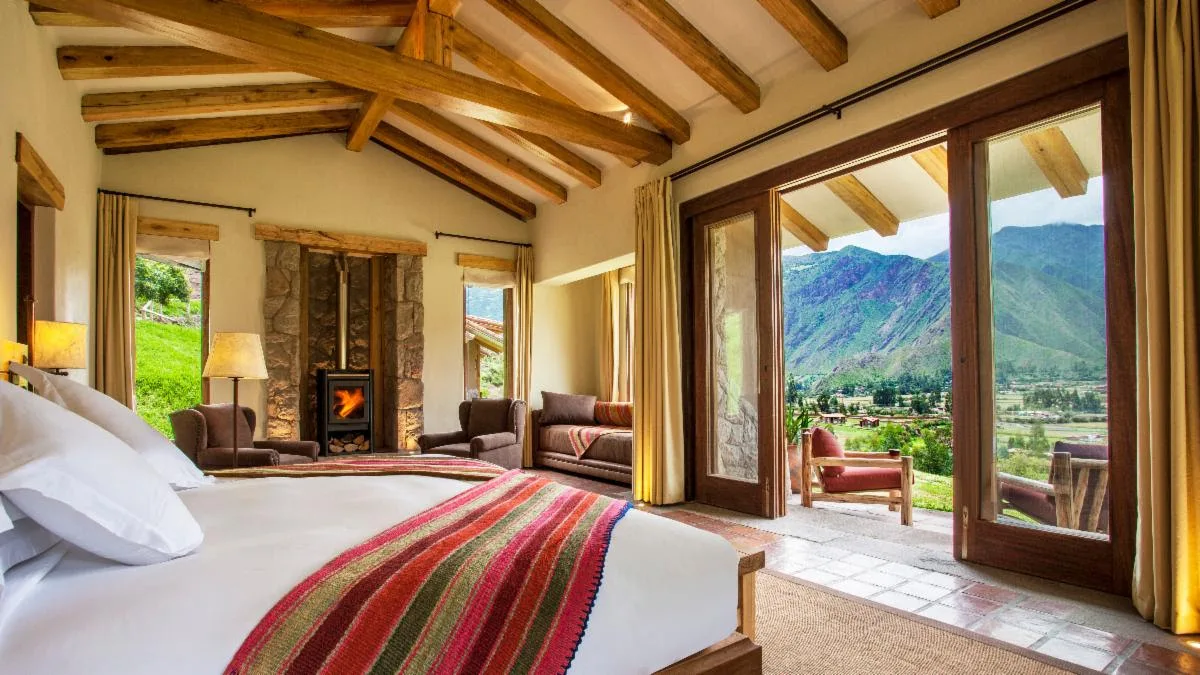
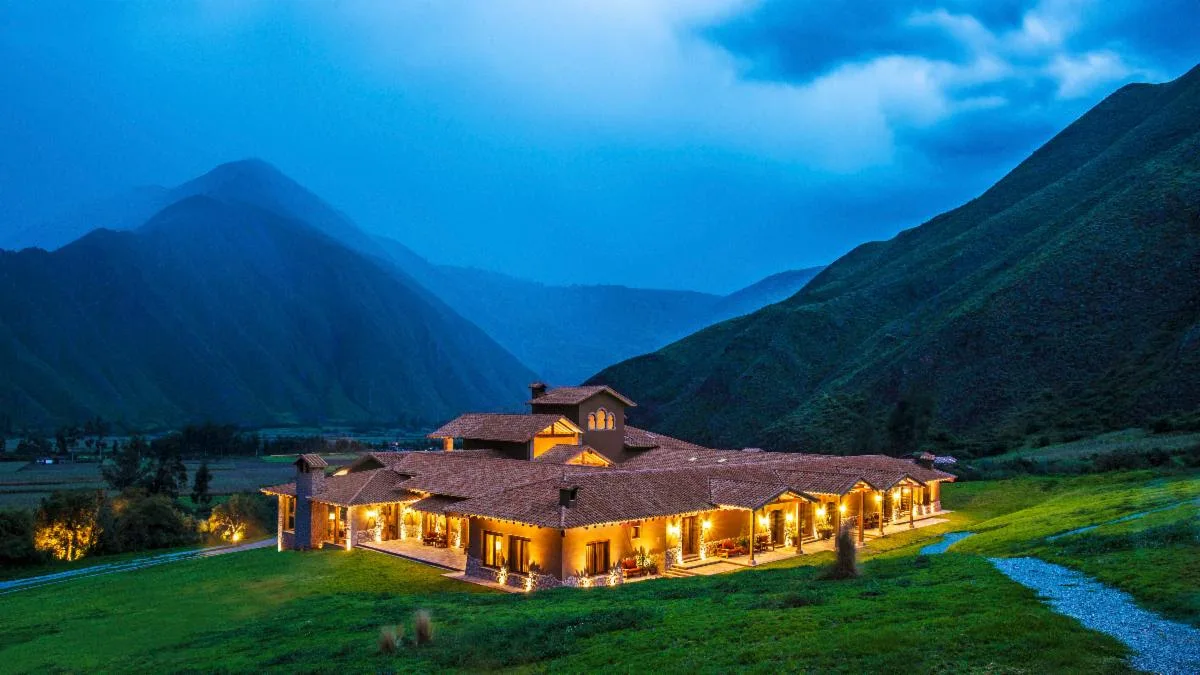
The adventure begins in the Sacred Valley of the Incas, with a stay at Inkaterra Hacienda Urubamba. Here, guests immerse themselves in Andean traditions: walking trails among breathtaking mountain views, preparing chicha de jora (a traditional corn beer), and learning the art of Peruvian weaving at Manos de la Comunidad. Visits to Pisac market, the terraces of Moray, and the famous Maras salt mines round out the experience, offering a balance of culture, history, and natural beauty.
Machu Picchu and the Cloud Forest
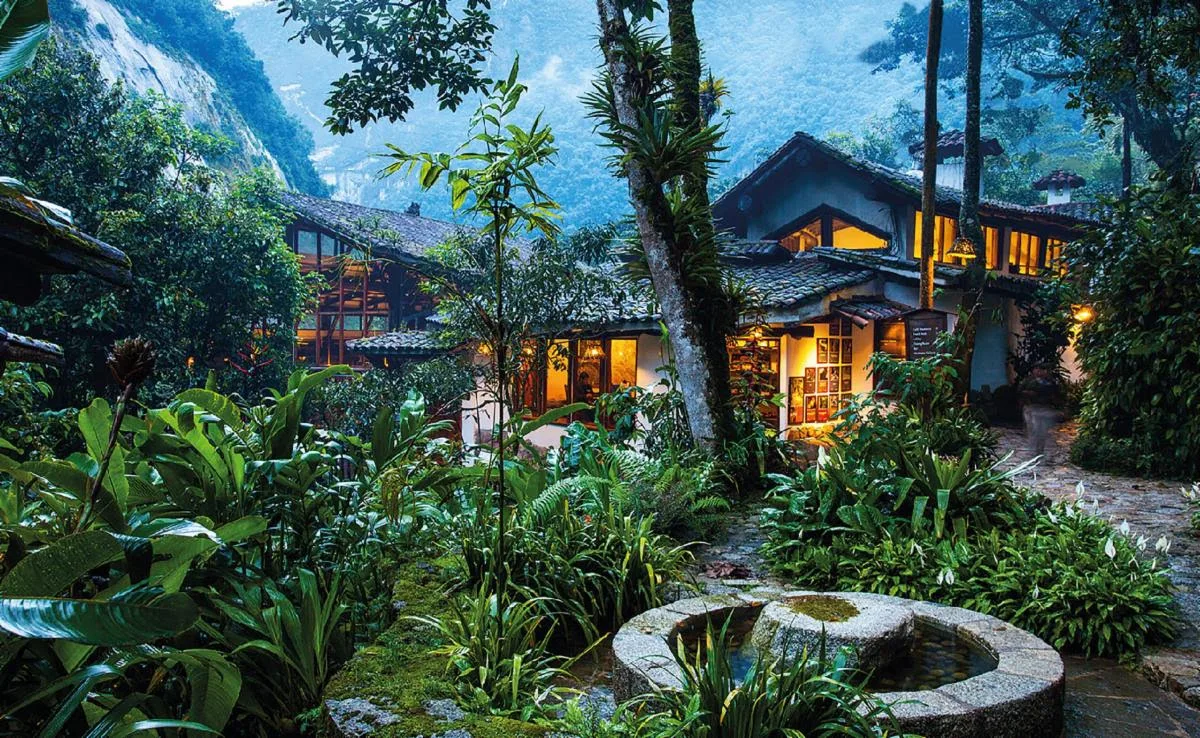
From the Sacred Valley, travelers head into the cloud forest to stay at Inkaterra Machu Picchu Pueblo Hotel, an eco-lodge that feels like a sanctuary in the mist. A guided half-day visit to the Machu Picchu Citadel is the centerpiece, but guests can also explore the property’s Orchid Trail, home to over 370 species, or take part in a traditional tea-making workshop at La Casa del Té. It’s a chance to experience Peru’s most famous destination while also uncovering the subtler wonders that surround it.
Cusco’s Living Heritage
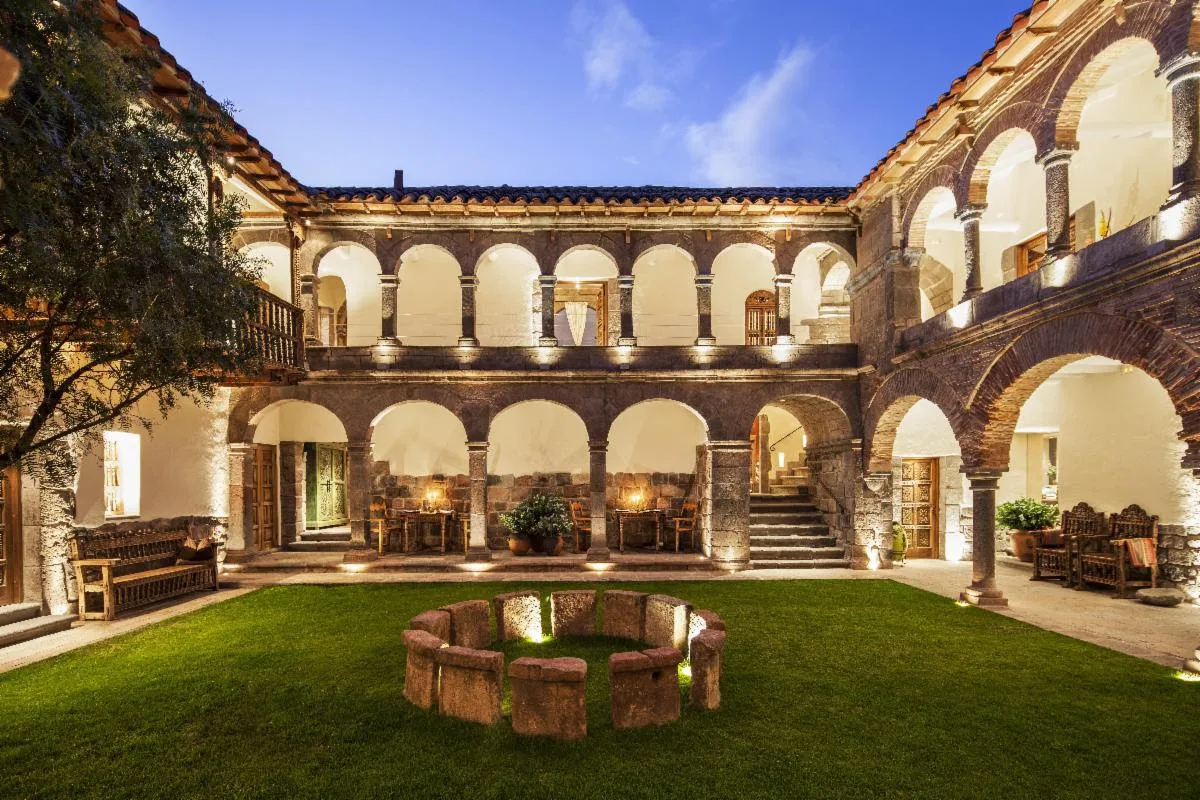
The final stage of the itinerary brings guests to Cusco, where Inkaterra La Casona—a restored 16th-century mansion—sets the stage for days steeped in history and artistry. Visitors can take part in the Coffee, Art & Culture experience, sampling some of Peru’s finest beans while exploring the city’s architectural treasures, including the Cusco Cathedral, Sacsayhuamán, and Tambomachay. It’s a reminder of how seamlessly Inkaterra blends heritage with hospitality.
Optional Extensions: Lima and the Amazon
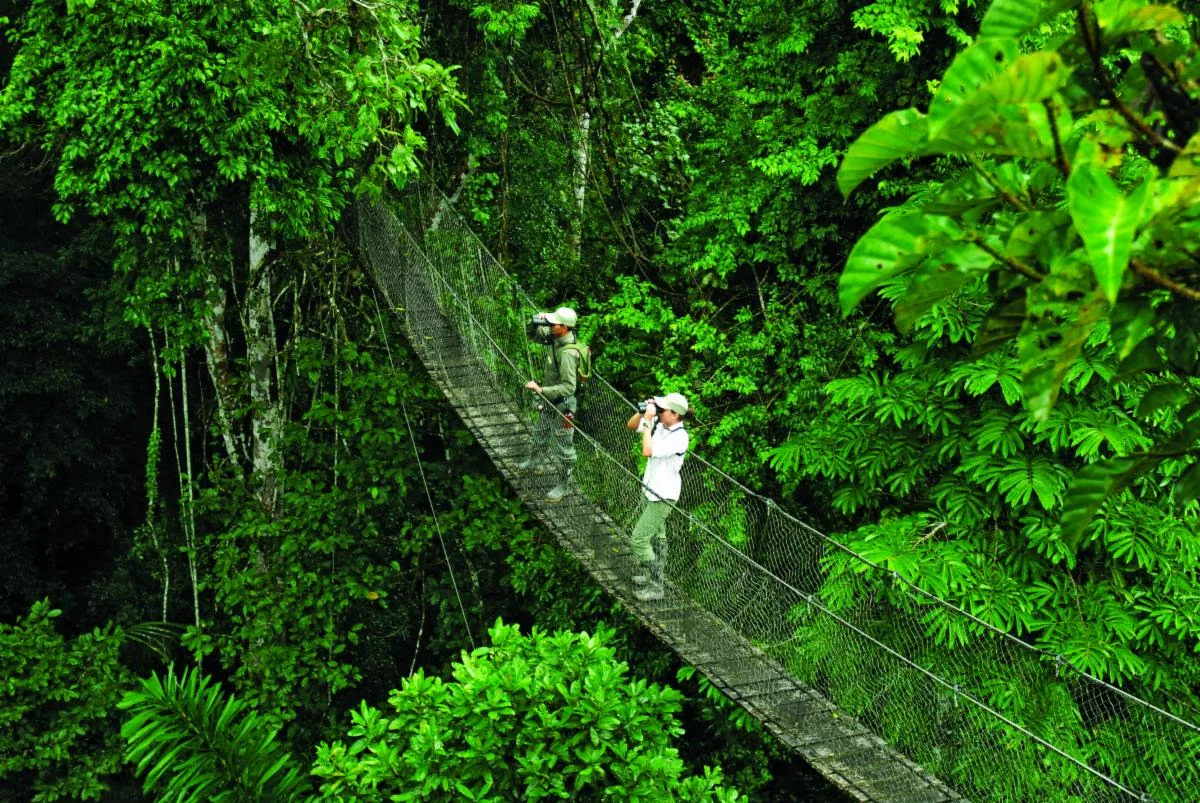
For travelers eager to dive deeper, Inkaterra offers two extensions. In Lima, guests explore the capital’s historic heart, from the masterpieces of the Larco Museum to the baroque details of the San Francisco Church. Alternatively, a stay at Inkaterra Reserva Amazonica in Puerto Maldonado immerses guests in the biodiversity of the Madre de Dios River, with canopy walks, lake excursions, and wildlife encounters.
A Legacy of Conservation
While the anniversary itinerary is the headline, Inkaterra’s true achievement lies in its 50-year legacy. The brand has consistently invested in conservation and cultural preservation, from rainforest protection projects to community education programs through its NGO, Inkaterra Asociación. Its properties have earned accolades from organizations like Rainforest Alliance and Relais & Châteaux, underscoring its global reputation as a leader in sustainable travel.
And Inkaterra isn’t slowing down. The company is preparing to launch its newest property, Cabo Blanco, in late 2025 or early 2026, expanding its footprint to Peru’s northern coast. It’s a sign that the next 50 years may be just as transformative as the first.
Why Inkaterra Still Matters
Inkaterra’s story isn’t simply about luxury stays in beautiful places. It’s about the vision of a company that saw tourism as a tool for preservation rather than exploitation. By choosing Inkaterra, travelers aren’t just booking a hotel—they’re stepping into a living, breathing example of how hospitality can protect landscapes, support local communities, and honor cultural heritage.
Fifty years on, Inkaterra remains proof that sustainable tourism isn’t a trend. It’s the future.