Everyone planning a first trip to New Zealand looks at summer. December through February, long days, beaches, the country in full holiday mode. It makes sense, especially if you’re escaping a Northern Hemisphere winter.
But there’s a case building for the other end of the calendar. Virtuoso recently reported autumn bookings up 59 percent year on year, even as prices rose in many destinations. Travelers aren’t necessarily going later to spend less. They’re choosing the season that suits them best. And New Zealand makes a strong argument for March, April, and May.
March: vintage season and late-summer warmth
March still feels like summer in much of the country. In the north, warm days and swimmable water are still realistic, and it’s a wonderful month for walking and cycling further south. It’s also vintage season in the wine regions. In Marlborough, grapes are coming in, wineries are busy behind the cellar doors, and you get to see a side of winemaking that summer visitors miss. Tasting Marlborough wine while the next vintage is being made around you is a different experience entirely. Hawke’s Bay is lovely in March too: warm days easing into a new season, Te Mata Peak in the morning, a winery after, lunch somewhere you don’t need to hurry away from.
April: autumn color in the South Island
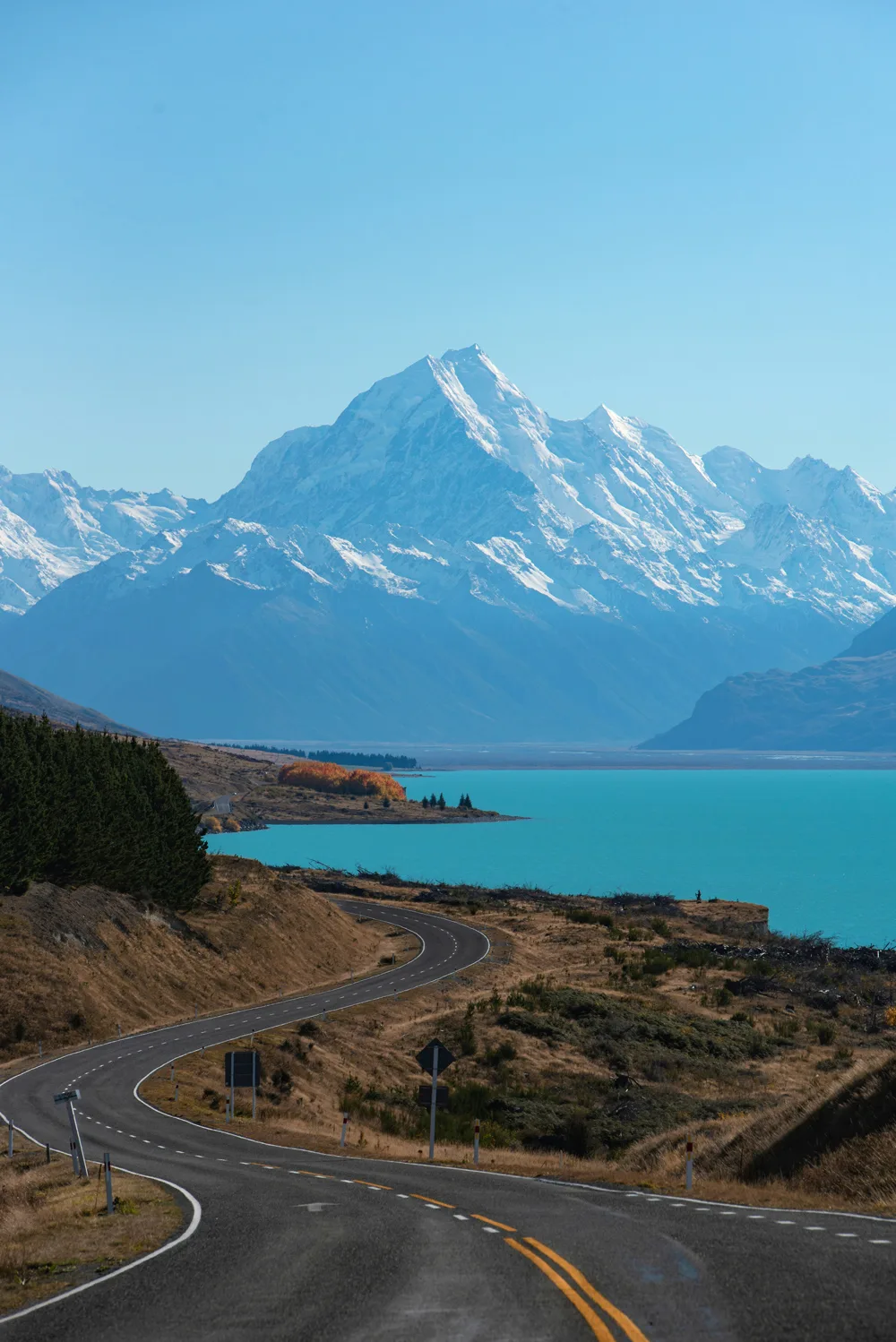
April is when autumn shows itself, especially in the South Island. Arrowtown is the famous one, a former gold-mining town where the trees along the Arrow River turn completely by April. The Arrowtown Autumn Festival runs April 15 to 18 in 2027, a harvest celebration the whole town gets behind. Beyond Arrowtown, Clyde and Cromwell are worth the detour, particularly if you like wine or cycling. The vineyards change color, the fierce Central Otago summer heat is gone, and the Lake Dunstan Trail between Cromwell and Clyde might be the prettiest bike ride in the country.
Eating your way through harvest season
Then there’s the food. Autumn is harvest time: grapes off the vines, apples and pears in the growing regions, seasonal menus turning over as the weather cools. Bluff oyster season begins in March. Eating your way through Central Otago pinot country in April, when the region is at its most beautiful, is about as good as food travel gets.
Dark skies at a civilized hour
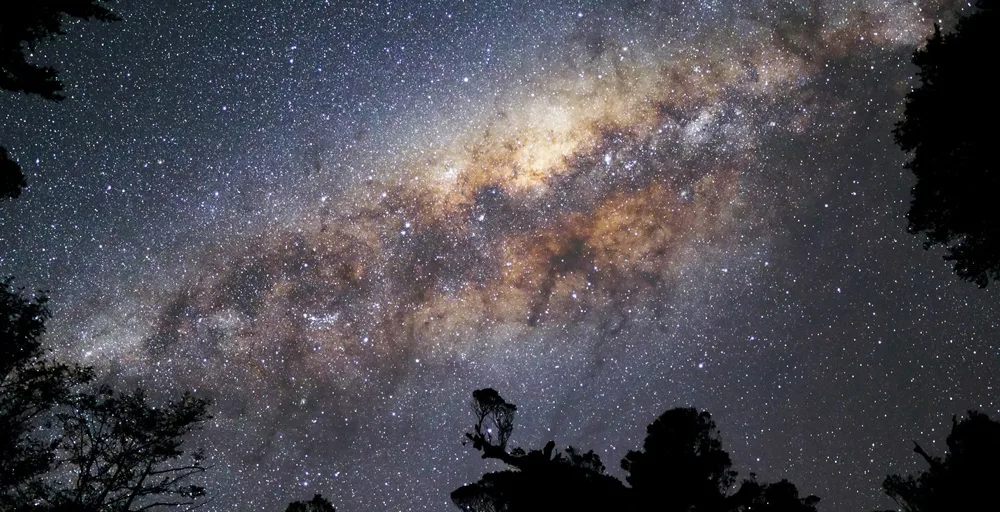
As the days shorten, the night skies take over. Lake Tekapo, Aoraki/Mount Cook, and Twizel sit inside the Aoraki Mackenzie International Dark Sky Reserve, and in autumn you get those skies at a civilized hour. Observatories and guided stargazing experiences are there if you want them. Or just find somewhere dark, dress warm, and look up.
May: the atmospheric wildcard
May is the wildcard. Cold mornings in the South Island, maybe snow on the mountains, shorter days, fires being lit. The whole mood changes, and for some travelers that’s the draw.
The point isn’t that autumn beats summer. It’s that they’re different trips, and the autumn one deserves to be planned as its own thing, not as a summer itinerary shifted by two months. Pick your month by what you want: March for warmth, wine, and the outdoors; April for color, pinot noir, and crisp cycling days; May for atmosphere. Some of the best New Zealand journeys happen in these three months. You just have to plan them that way from the start.