



5 minute read
Traveling by car can be one of the most enjoyable experiences for exploration and spontaneity. The roads can still pose risks that travelers should be aware of. Motor vehicle accidents can result from various causes, including distracted driving, weather conditions, and road maintenance issues. With some knowledge, travelers can adopt preventive measures and stay informed about how to react in unfortunate situations.
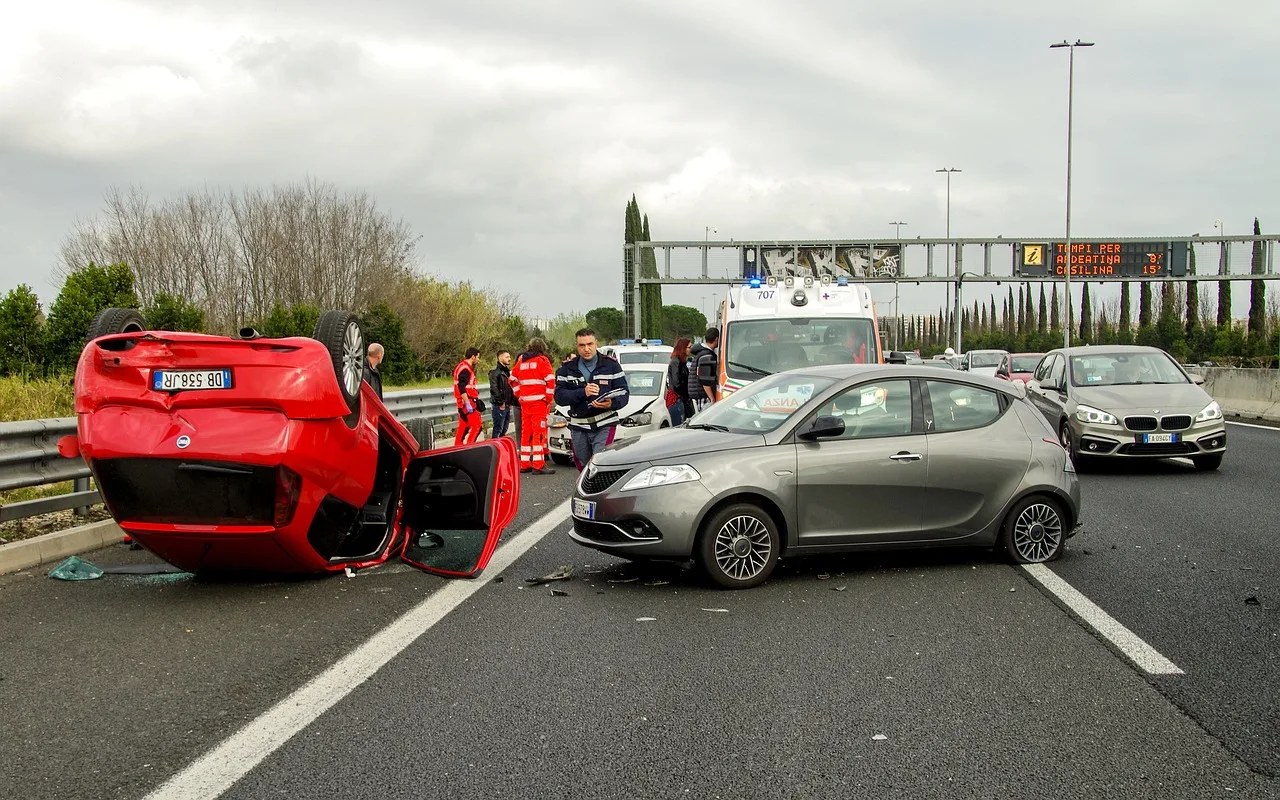
The Impact of Distracted Driving
Distracted driving is the leading cause of car accidents during travel. Thanks to the rise of smartphones and in-car technology, the temptation to interact with devices has become more prevalent. Even the simplest actions, such as adjusting a navigation system, can divert attention away from the road.
Travelers should be mindful of their focus while driving and consider pulling over to a safe location if they need to answer messages or adjust settings. Distractions are not limited to electronics: passengers, food, and even billboards can capture a driver’s attention. Drivers can minimize risks and maintain a safer driving environment by pairing good habits with tools that reduce the need to second-guess what’s around them—Dome mirrors installed at blind corners in parking lots or private roads remove one more visual gap that might otherwise demand a driver’s divided attention.
Technology in Road Safety
Recent advancements in technology can assist drivers in avoiding accidents. Now, lane departure warnings, automatic emergency braking, and adaptive cruise control are becoming standard in many vehicles. These innovations lower the risks associated with human error by providing additional layers of safety. Car manufacturers are incorporating advanced driver-assistance systems (ADAS) that improve situational awareness and react appropriately to potential hazards.
In case an accident occurs, there are tools to demonstrate evidence when filing for insurance claims or going to trial. The adoption of trial graphics for auto crashes can help better understand the mechanics behind car accidents through visual representations of crash dynamics. By leveraging technology, the aim is to provide a safer travel environment for all road users.
The Role of Weather Conditions
Rain, snow, fog, and ice can all reduce visibility and make roads perilous. Rain can create slick roads, whereas snow and ice can lead to reduced traction and longer stopping distances. Travelers should check local weather forecasts and road conditions before embarking on long journeys.
Adjusting driving speed and increasing following distances during adverse weather conditions will maintain control over the vehicle. Engaging the car’s low-beam headlights in fog can improve visibility without reflecting light. Know how to handle a vehicle in various conditions and how it can affect the outcome of a situation.
How Road Conditions Affect Safety
Poor road conditions contribute to accidents while traveling. Potholes, gravel, construction zones, and improper signage present numerous hazards that drivers must navigate. Potholes can cause tire blowouts or accidents if a driver swerves to avoid them. Being aware of road maintenance issues and adhering to posted detour signs can eliminate some of these risks.
Construction zones may require reduced speed limits and increased caution due to workers and equipment present. Travelers should stay alert in these areas to avoid sudden stops or lane changes. Monitoring local news or road apps can keep travelers informed about road closures or maintenance updates.
The Importance of Vehicle Maintenance
A well-maintained vehicle is less likely to encounter problems that could lead to accidents. Worn tires, brake failure, and engine malfunctions can compromise safety. Travelers should regularly check brake pads, tires, lights, and windshield wipers before hitting the road. For long trips, a vehicle that is roadworthy can immensely reduce risks.
Keeping emergency kits stocked with the essentials, including first aid supplies and tools, can prepare drivers for any unfortunate events they might encounter on their way. Heading out in a dependable vehicle allows drivers peace of mind.
The Dangers of Driver Fatigue
Long hours spent driving can cause decreased concentration and slower response times. Drowsy driving is responsible for thousands of crashes every year, illustrating the risks involved. Drivers should be aware of their own limitations and take breaks as needed to avoid fatigue. Implementing rotating driving responsibilities among passengers or scheduling longer travel times can help mitigate fatigue-related risks.
Recognizing signs of tiredness like yawning, heavy eyelids, or declining attention can encourage drivers to stop and rest. Staying alert on long journeys improves safety for everyone on the road.
Preparing for Emergencies
Even with the best precautions, accidents can still happen. Travelers may come across a flat tire, a breakdown, or a minor collision, and knowing how to respond to these setbacks can minimize consequences. Travelers should familiarize themselves with their vehicle’s emergency features, including how to change a tire and use a roadside assistance service if needed.
Keeping a well-stocked emergency kit in the car can turn a stressful situation into a manageable one. Staying calm and knowing who to contact for help can make a significant difference in any emergency. Understanding emergency protocols for different scenarios can empower drivers and passengers to respond effectively when the unexpected occurs.
Traveling can offer incredible experiences, but recognize the risks associated with car accidents. Factor in distracted driving, weather conditions, road maintenance issues, vehicle upkeep, driver fatigue, and emergency preparedness, which all contribute to safety on the road.
By implementing safety measures, preparing for emergencies, and remaining aware of the legal landscape, travelers can minimize their risk of accidents. Safe travel requires continuous vigilance and a commitment to responsible driving practices.