



6 minute read
Rising food costs have become a pressing concern for households across the country. Families face tighter budgets as grocery bills continue to climb, making meal planning and everyday shopping increasingly stressful. Understanding the underlying factors driving these increases can help consumers make more informed decisions.
Several complex issues contribute to rising prices, from supply chain disruptions to changing weather patterns. This guide examines the main drivers behind higher food costs and explores strategies for managing grocery spending effectively in the face of ongoing inflation pressures.
Supply Chain Disruptions Affecting Food Availability
Global supply chains have faced unprecedented strain. Transportation delays, port congestion, and labor shortages have slowed the movement of goods, directly affecting grocery stores. Delays in shipping produce, meats, and packaged foods often lead to higher retail prices to offset increased logistical costs.
Unpredictable supply chains make it difficult for stores to maintain consistent stock levels. When items are scarce, prices tend to rise, and consumers may pay a premium for necessities. Retailers adjust their pricing strategies based on availability and demand, creating fluctuations that impact household budgets.
Beyond transportation, international trade policies can influence supply chains. Tariffs, export restrictions, and trade disagreements can increase costs for imported goods.
Weather Events and Climate Change Impacting Production
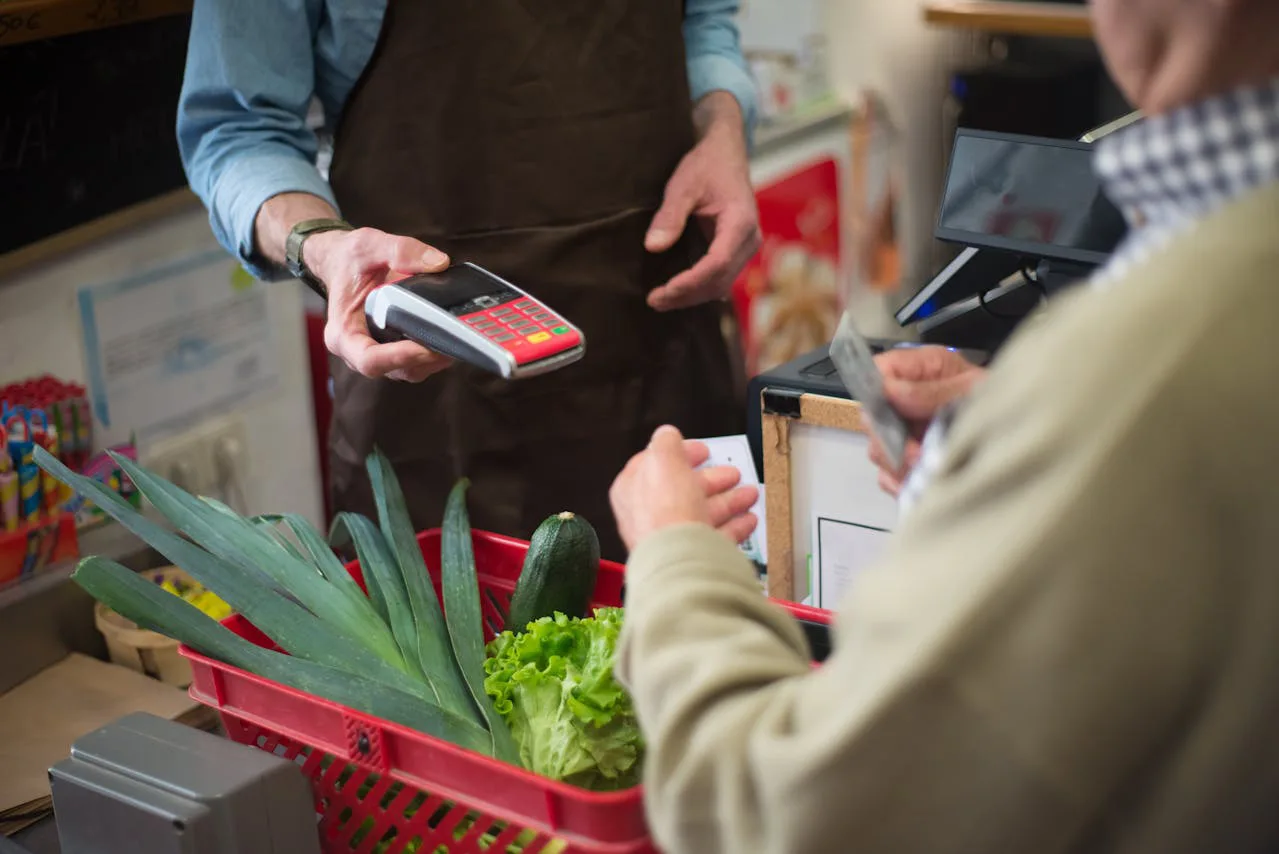
Extreme weather events play a significant role in food costs. Droughts, floods, hurricanes, and wildfires damage crops, reduce yields, and disrupt harvesting schedules. Farmers face higher expenses to recover from these events, which often get passed on to consumers through elevated grocery prices.
Climate change has intensified the frequency and severity of these weather patterns. Regions that previously had stable growing conditions are now experiencing unexpected challenges, affecting the quantity and quality of produce. Reduced supply in key agricultural areas can trigger nationwide price increases.
Some crops require specific conditions to thrive. When weather interferes with planting or harvesting cycles, shortages occur, leading to spikes in cost. Grocery chains then adjust pricing to reflect scarcity, making it more difficult for shoppers to stay within budget.
Rising Labor Costs in Agriculture and Retail
Labor shortages and wage increases have contributed to higher food prices. Farmworkers, truck drivers, and grocery store employees are crucial to the supply chain, and businesses must balance covering wages, benefits, and overtime with keeping prices competitive. When labor is in short supply, production and distribution slow down.
Businesses face higher operational costs that are often passed on to consumers. Consumers are feeling the effects of inflation impacting grocery prices, as increased labor expenses translate into higher costs at checkout. Seasonal labor shortages and growing demand for specialized skills further strain the system, making everyday grocery shopping more expensive for families.
Higher labor costs disproportionately affect smaller grocery stores. These stores may lack the resources to absorb additional expenses, so they adjust pricing to maintain profitability.
Fuel Prices and Transportation Costs Driving Grocery Prices
Fuel expenses are a significant factor in rising food costs. Trucks, ships, and planes all rely on fuel to transport goods, and price increases are passed directly to retailers and consumers. When gasoline or diesel prices climb, grocery stores often raise prices to maintain profit margins.
Transportation costs include maintenance, logistics management, and route optimization. When fuel prices fluctuate, businesses must adjust transportation budgets, often prioritizing timely delivery over cost minimization. This trade-off results in higher prices at checkout.
The interconnected nature of food distribution means that even regional fuel increases can ripple across national grocery chains. Products sourced from distant locations carry additional costs.
Commodity Price Volatility and Global Markets
Global commodity markets heavily influence food prices. Grains, meat, dairy, and other important items are traded internationally, and fluctuations in supply or demand can quickly impact grocery stores. Factors such as crop failures abroad, geopolitical tensions, and market speculation often contribute to volatility.
Increased global demand for certain products can create upward pressure on prices. For example, rising meat consumption in developing nations affects worldwide livestock markets, indirectly affecting domestic prices. Retailers must adjust accordingly to maintain supply without sacrificing quality.
Commodity price volatility interacts with local market conditions to shape grocery costs. When wholesale prices spike, stores pass on these changes to consumers, contributing to the increase in the cost of everyday items.
Government Policies and Subsidies
Government regulations, subsidies, and tariffs have a direct impact on food prices. Subsidies can lower production costs for certain crops, while tariffs on imported goods may increase costs. Policy changes can shift supply and demand dynamics, affecting retail prices.
Agricultural programs that influence crop planting, pricing floors, or export incentives play a role. When policies favor specific crops, resources may be diverted from others, impacting availability and cost. Retailers adjust prices based on these macroeconomic factors to remain competitive.
In some cases, policy changes are unpredictable. Sudden adjustments to trade agreements or regulatory standards may create temporary shortages or price spikes. Shoppers often experience these effects immediately, contributing to perceptions of rapidly rising grocery costs.
Consumer Behavior and Demand Shifts
Changes in consumer behavior influence food prices as well. Increased demand for organic, local, or specialty products can drive up costs. Trends in diet, lifestyle, and health awareness alter purchasing patterns, prompting retailers to adjust prices to match market interest.
Stockpiling or panic buying affects availability and pricing. When consumers purchase more than usual in anticipation of shortages, it can create temporary scarcity, leading to higher costs for other shoppers. Retailers often implement dynamic pricing strategies to manage these fluctuations.
Retailers analyze trends and purchasing habits to optimize inventory and pricing. When demand consistently exceeds supply, prices rise. Understanding these consumer-driven forces is critical for explaining why grocery costs continue to climb despite efforts to stabilize the market.
Technological Advancements and Supply Efficiency
Advancements in technology have improved efficiency in some areas but introduced costs in others. Automation, cold storage, and tracking systems streamline food distribution, but implementing these solutions requires significant investment. Initial expenses often influence retail pricing.
Technological solutions reduce waste and enhance product quality, but the upfront costs are considerable for producers and distributors. Grocery stores may offset these costs by raising prices or focusing on higher-margin items. Consumers bear some of these expenses through higher grocery bills.
Efficiency gains shift the labor market. Technology can replace certain roles while creating demand for specialized skills. The resulting labor cost adjustments indirectly influence food prices, adding another layer to inflation pressures.
Rising food costs stem from a combination of supply chain disruptions, labor challenges, global market pressures, and consumer behavior. Each factor interacts with the others, creating a complex system that drives grocery prices higher. Understanding these causes empowers households to adapt and manage their spending effectively.
While many factors are outside individual control, informed decisions and careful planning can reduce the impact of inflation. Monitoring trends, exploring alternative shopping strategies, and being mindful of market fluctuations are practical approaches to navigate the rising cost of groceries.