



4 minute read
Birth is a joyful event, but complications during delivery can cause lasting effects, including medical conditions or developmental challenges. Families may face ongoing stress, frequent appointments, and financial strain as they manage these outcomes.
Being aware of potential risks helps parents make informed decisions, monitor their child’s progress, and access specialized care. Early intervention and, in some cases, legal guidance can reduce long-term impacts and support better outcomes.
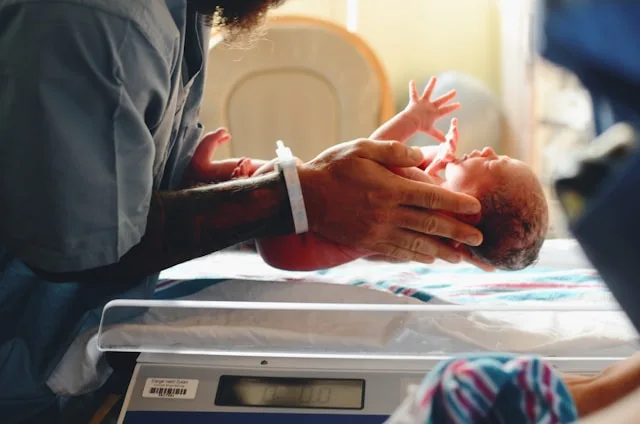
Neurological Implications of Birth Complications
Birth complications can significantly impact an infant’s neurological development. Oxygen deprivation, for example, can lead to hypoxic-ischemic encephalopathy, a condition that may affect motor skills, cognitive abilities, and learning capacity. Long-term consequences often require specialized therapy and ongoing medical monitoring to support developmental milestones.
Seizure disorders sometimes emerge after complicated deliveries. Children may experience varying degrees of severity, influencing daily functioning and long-term educational needs. Regular consultations with neurologists are crucial to manage symptoms effectively.
Cognitive development can be affected, with some children facing delays in language, memory, or problem-solving skills. Early intervention programs, including occupational and speech therapy, can improve outcomes and help children adapt to their specific challenges.
Legal Considerations and Support for Nerve Injuries
Families dealing with birth-related nerve injuries sometimes seek legal assistance to address preventable causes. Understanding options can help secure compensation for medical costs, therapy, and long-term care. Experts in this area can guide families through complex procedures and documentation requirements.
Those interested in exploring legal remedies may research nerve damage birth injury cases
to understand potential outcomes and advocacy steps. Knowledge empowers parents to pursue justice when medical negligence contributes to long-term complications.
Legal action can provide access to resources that improve the quality of life for affected children, ensuring they receive proper care and rehabilitation over the years.
Musculoskeletal and Physical Development Concerns
Physical injuries at birth, including fractures or joint dislocations, can have lasting effects if not properly addressed. Some infants may require corrective procedures or ongoing physical therapy to achieve normal function. Long-term follow-ups are often necessary to prevent complications such as chronic pain or restricted mobility.
Certain birth injuries can affect posture and musculoskeletal alignment. Children might require adaptive equipment or targeted exercises to promote healthy growth and minimize discomfort.
Muscle tone abnormalities, including spasticity or hypotonia, are common outcomes of complicated deliveries. These conditions can influence coordination, balance, and physical activity, making early assessment and treatment vital for long-term health and mobility.
The Impact of Birth-Related Nerve Damage
Nerve injuries sustained during delivery can have lasting functional consequences. Conditions like Erb’s palsy may impair arm movement or strength, affecting daily tasks and independence. Early diagnosis and rehabilitation can improve outcomes, but some deficits may persist throughout life.
Surgical interventions are sometimes necessary to restore function or prevent further deterioration. These procedures require careful monitoring and skilled specialists to ensure the best possible recovery.
Physical therapy remains a cornerstone of treatment, helping children regain as much mobility and control as possible. Consistent, guided exercises can minimize long-term limitations and support functional development in daily activities.
Emotional and Psychological Outcomes
The emotional toll of birth complications extends to the child and the family. Children with ongoing health challenges may experience frustration, anxiety, or behavioral issues. Supportive environments and counseling can help them navigate these difficulties.
Parents may face stress, guilt, and uncertainty while managing their child’s medical needs. Emotional support, community resources, and therapy can play a critical role in maintaining family well-being and resilience.
Early intervention services often include psychological support, equipping families with strategies to cope with long-term challenges. These measures can enhance quality of life and foster positive developmental outcomes despite initial complications.
Educational and Social Implications
Children affected by birth complications may require specialized educational support. Learning disabilities, attention deficits, or motor skill challenges can influence academic performance, necessitating tailored learning plans and accommodations.
Social development can be impacted. Children may struggle with peer interactions or confidence due to physical or cognitive limitations. Structured social skills programs and inclusive environments can help them build meaningful relationships.
Ongoing collaboration between medical professionals, educators, and families is important. By aligning support strategies, children can maximize their potential and thrive despite early-life challenges.
Long-term outcomes of birth complications span physical, neurological, emotional, and social domains. Families often navigate ongoing medical care, therapy, and support systems to address these challenges. Early awareness, intervention, and consistent follow-up can significantly improve quality of life and developmental progress.
Parents and caregivers benefit from staying informed about potential risks and resources. Whether accessing specialized medical care or exploring legal support, proactive steps help children affected by birth complications reach their full potential despite the challenges they face.