



4 minute read
A boat does something unusual the moment it leaves the dock: it disconnects travel from urgency. There is motion, direction, even ambition, yet none of it feels aggressive. Yachts and boats move forward without insisting on speed. This quiet contradiction is what makes travel on water so different from every other form of movement. It does not chase distance. It allows distance to reveal itself.
Boats are designed to accept reality
On land, machines are built to dominate conditions. Roads are flattened, routes are fixed, and delays are treated as failures. Boats operate on an entirely different philosophy. They accept that conditions change and that control is partial at best. The wind pushes when it wants. Currents disagree politely but firmly. A yacht moves not by winning against nature, but by cooperating with it. This acceptance creates a form of travel that feels honest, almost philosophical.
Water changes the meaning of progress
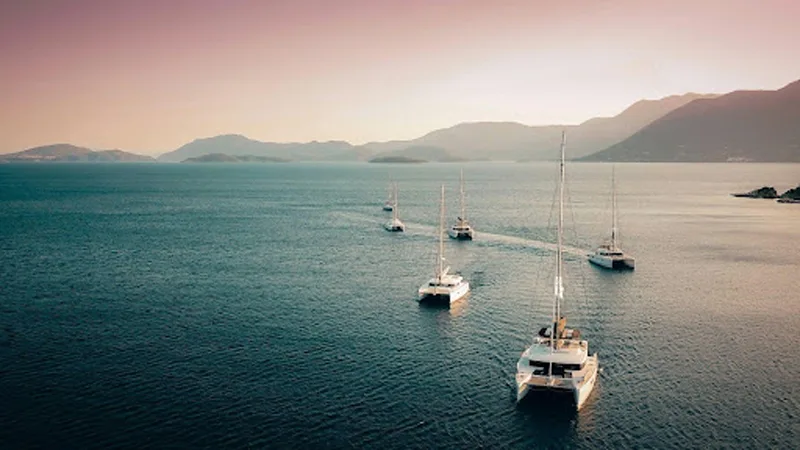
Progress on water is subtle. A boat may take hours and seem to be almost still to a layman. But under the surface, all is taking place: currents change, pressure sets in, angles change. This invisible movement trains patience. Near places like coffs harbour marina, this slow progress becomes part of the scenery. Boats come and go without drama, reminding observers that movement does not need spectacle to be real.
The boat is a self-contained world
Once offshore, a boat becomes its own small universe. Resources are finite. Space is shared. Decisions matter immediately. There is no room for excess thinking or careless habits. This environment simplifies life in a way few places can. Essentials rise to the surface, distractions quietly fall away. Over time, certain patterns become impossible to ignore:
- Simplicity improves comfort more than luxury
- Awareness prevents problems better than rules
- Cooperation happens naturally when space is shared
- Silence becomes a functional tool, not emptiness
Yachts have personalities
Spend enough time aboard a yacht, and it stops feeling like an object. It responds to environments in a different way, it likes some speeds, and it uses sound and movement to communicate. A creak, a vibration, or a change in rhythm signals more than any warning light. These cues are learned, not taught. This relationship turns travel into a conversation. The yacht responds honestly, without exaggeration or complaint.
Routes that refuse straight lines
Boat routes are suggestions, not commands. Even the most precise charts allow for curves, delays, and improvisation. The sea reshapes plans without asking permission. Instead of resisting this, boats adapt. Detours become normal. Waiting becomes productive. This refusal to follow straight lines slowly changes expectations. Arrival loses importance. Being underway becomes a real experience.
Technology helps, nature decides
Modern boating benefits from impressive technology, but it has not replaced judgment. Screens can inform, but they cannot decide. Weather forecasts can warn, but they cannot negotiate. The final authority remains the water itself. This balance keeps boating grounded. It reminds travelers that assistance is not the same as control, and information does not cancel uncertainty.
Accessibility without losing meaning
Today, platforms like GetBoat have lowered the barrier to yacht and boat travel. Access is easier, choices are wider, and planning is simpler. Yet the experience itself has not changed at its core. Boats still require patience. They still reward attention. No modern system can rush a tide or silence the wind.
Conclusion
Boat travel offers a rare alternative to modern movement. It substitutes a sense of urgency with rhythm and efficiency with awareness. Yachts and boats do not offer you faster arrivals; they are more of a journey. Speed is not an element of progress on water, but presence. When nature is involved in a non-competitive manner, boat travel offers silent lessons; that moving forward does not necessarily mean moving faster. It is sometimes learning to move with forces that do not allow themselves to be hurried.