



3 minute read
Off-roading is a great experience, and one that you can get a lot out of. It’s also something that requires quite a bit of prep if you want to do it right, partly for safety reasons and partly just to ensure that you have everything you need. If you are keen to off-road, then you will need to prepare well. Getting into off-roading is less about brute force and big tires than it is about mindset, preparation, and respect for the terrain. At its core, off-roading is simply driving beyond paved roads, but that simple definition hides a world of variety: forest service trails, desert sand, muddy backroads, rocky mountain passes, snow-covered paths, and everything in between.
Finding Your Vehicle
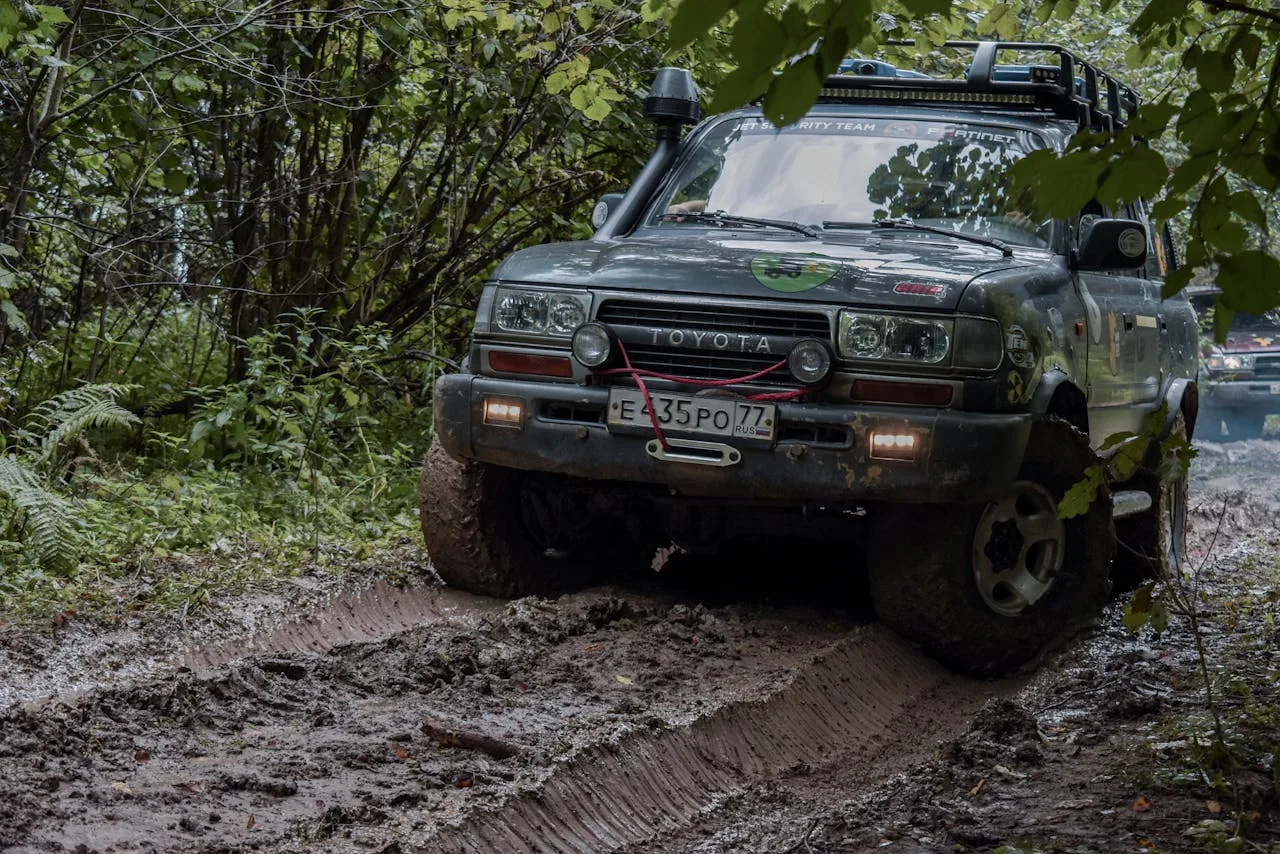
Your vehicle matters, but not as much as beginners often think. You do not need a purpose-built rig to start off-roading. Many modern trucks and SUVs are surprisingly capable straight from the factory. What matters most is understanding your drivetrain and ground clearance. Four-wheel drive with low range offers better control at slow speeds and on steep or slippery terrain, while all-wheel drive systems can work well for dirt roads, snow, and sand but may struggle in technical conditions. Ground clearance determines how likely you are to scrape or get hung up on rocks, ruts, or uneven surfaces.
Get The Hardware Right
There is plenty of hardware and gear that you are going to need too, from lift kits to tires. Good all-terrain tires provide better traction on dirt, gravel, and light mud without sacrificing too much on-road comfort. Mud-terrain tires go further, with aggressive tread patterns that dig into soft ground, but they are louder and wear faster on pavement. Tire pressure also plays a role. Lowering pressure slightly can increase traction by allowing the tire to conform to the terrain, but going too low without proper equipment can risk damage. Learning how and when to air down, and how to air back up, is a skill that comes with experience.
Driving Technique
Off-roading is as much about driving technique as hardware. Smooth, deliberate inputs usually beat raw power. Spinning tires may look dramatic, but it often reduces traction and tears up trails. Using momentum carefully, choosing the right line, and understanding how weight shifts as you climb, descend, or cross obstacles are foundational skills. Low range gearing helps here, allowing the vehicle to move slowly and predictably while maintaining control. Knowing when to stop, reassess, and even turn around is a mark of a good off-roader, not a timid one.
Learning Recovery
Recovery is an area beginners sometimes overlook until it is too late. Getting stuck is part of off-roading, even for experienced drivers, and being prepared turns a stressful situation into a manageable one. Basic recovery gear includes a rated recovery strap, proper recovery points on the vehicle, and a shovel. As you progress, traction boards, a winch, and knowledge of safe recovery techniques become invaluable. Just as important is understanding what not to do, which you will learn with time.