


4 minute read
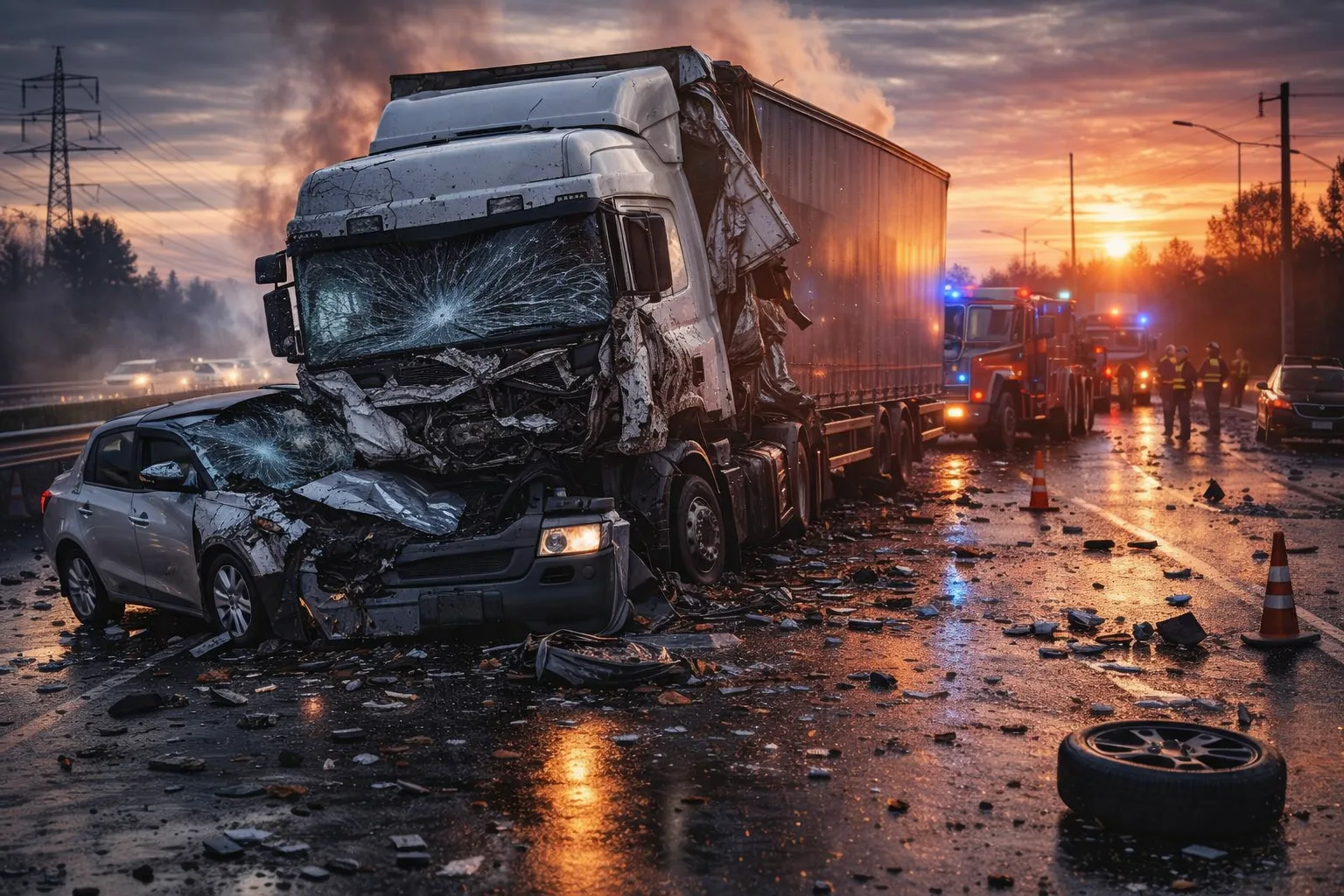
Every year in California, commercial trucks are involved in thousands of collisions that cause serious injuries and property damage. If you or someone you care about has been hurt in a crash involving a large truck near Temecula, understanding how trucking liability works under United States law can help you make better decisions as you deal with insurance companies and potential claims.
How Trucking Liability Works in the United States
In the United States, liability for trucking crashes is governed by a mix of federal and state laws designed to hold at-fault parties responsible for the harm they cause. In general, the owner of the truck and the company that hired the driver may be responsible when their negligence led to the collision.
If negligence is proven, the liable parties may be required to pay for medical bills, lost income, and other financial losses. As an early step to protect your rights after a crash, you might want to find a truck accident lawyer in Temecula who can explain evidence requirements and claim timelines under California law.
Federal Rules That Affect Trucking Claims
Commercial trucking in the United States is regulated by the Federal Motor Carrier Safety Administration, which sets nationwide safety standards for interstate carriers. These regulations govern driver qualifications, limits on driving hours, vehicle inspection and maintenance practices, and cargo securement requirements, all of which may be examined after a crash to determine whether a driver or carrier complied with federal law.
Hours-of-service limits, maintenance records, and cargo loading practices are frequently reviewed in trucking claims. If evidence shows that a driver exceeded allowable driving hours, operated a poorly maintained vehicle, or hauled improperly secured cargo, those violations may be used to show a failure to act reasonably. While a regulatory violation does not automatically establish liability, it can play an important role in settlement discussions or court proceedings.
Common Parties Potentially Liable After a Trucking Crash
Responsibility for a truck collision may extend beyond the driver, depending on how and why the crash occurred. Potentially liable parties can include the truck driver, the trucking company that dispatched the vehicle, the owner of the truck or trailer, third parties responsible for loading or securing cargo, and manufacturers of defective vehicle components. Each party may owe a separate legal duty related to safe operation, maintenance, or oversight, and liability depends on whether that duty was breached.
Many claims center on the trucking company that employed the driver at the time of the collision. Under the legal doctrine of respondeat superior, employers may be held responsible for negligent acts committed by employees while performing job-related duties. In addition, a trucking company may face direct liability for its own conduct, such as inadequate driver training, improper hiring practices, unrealistic delivery schedules, or failure to maintain vehicles in safe operating condition.
Time Limits and Evidence Rules in California
In California, you generally have two years from the date of injury to file a personal injury lawsuit against negligent parties, which reflects the standard limitation period for negligence in personal injury cases. This statute of limitations is strictly enforced, and missing it usually bars recovery.
Preserving evidence promptly is essential. Photographs, medical records, and witness information should be gathered early because memories fade and physical evidence can be lost.
Damages You Can Seek After a Truck Crash
If liability is established, you may be entitled to economic damages such as medical expenses, rehabilitation costs, vehicle repair, and lost wages. Non-economic damages may include pain and suffering, emotional distress, and reduced quality of life.
In limited circumstances, punitive damages may be available when conduct shows reckless disregard for safety. California law requires clear and convincing evidence and imposes limits on these awards.
What Happens If Multiple Parties Share Fault
Truck crashes often involve more than one responsible party. Under California’s comparative fault system, you may still recover damages even if you are partially at fault, although your recovery is reduced by your assigned percentage of responsibility.
Determining fault depends on evidence such as roadway conditions, vehicle behavior, and compliance with safety rules. Early statements and documentation can significantly affect how fault is allocated.
Practical Considerations for Moving Forward After a Crash
Actions taken soon after a trucking collision can affect your ability to recover compensation. Reporting the accident, seeking medical care, and maintaining records of losses help establish the foundation of a claim.
Understanding how federal trucking regulations interact with California law can clarify what evidence matters and which parties may be held accountable. Each case turns on its specific facts, making informed decision-making important as the process unfolds.