


6 minute read
There is a moment most homeowners recognize. You pull into the driveway after work, glance at the house, and notice something feels off. Maybe the shingles look uneven in the late afternoon light. Maybe the siding seems dull. It is not dramatic. Just enough to bother you.
Small visual issues often point to larger protection problems underneath. Paint fades because materials age. Gutters sag because water has been sitting too long. Curb appeal and protection are tied together whether anyone plans it that way or not.
Start With the Roof Before Anything Else
Roof problems rarely begin with a ceiling stain. They begin quietly. Granules wash into gutters. Shingles loosen in strong wind. Flashing around vents shifts a little. None of it seems urgent at first.
A roof is a system, not just a surface. Layers are installed to shed water, move heat out of the attic, and protect framing from slow rot. When one part weakens, the rest carries extra stress. That stress builds over seasons.
Homeowners often wait until damage is obvious before calling for help. By that point, repairs are larger and more expensive. A better approach is to have inspections done before emergencies happen. Curb appeal improves almost immediately when a roof is clean, straight, and uniform in color. Protection improves when underlayment, ventilation, and flashing are correctly installed. Both matter. One without the other is incomplete. They key is to work with the right professionals at the right time. You can lookup roofers near me to find the ones operating in your area. Looking further into their reviews and services will help you decide the best roofer for your project.
Siding Does More Than Change Color
Siding gets chosen for color and style, but it works a lot harder than most people think. It stands between the house and wind, rain, and long stretches of heat or cold. When panels crack or loosen, water can slip behind them and sit there quietly. Insulation weakens. Energy bills rise a little at a time. Rooms start to feel off. New siding can sharpen the whole exterior while adding stronger resistance to moisture and pests.
Still, full replacement is not always required. Sometimes repairs or a thorough cleaning restore both appearance and protection without major disruption.
Gutters Quietly Protect the Foundation
Gutters rarely get attention, which usually means they are doing their job. When water is guided away from the roof and foundation, nothing dramatic happens. The soil stays firm. The basement stays dry. Trouble starts when debris builds up or sections loosen. Water spills over the edge, runs down siding, and collects near the base of the house.
Over time, concrete can crack, especially where freezing and thawing repeat each winter. Seamless systems leak less, and well-placed downspouts move water farther out. Even so, they need checking now and then. When gutters work right, the house simply looks steady and well kept.
Windows, Doors, and the Way Air Moves
Drafty windows and worn entry doors create two problems at once. They weaken the exterior visually and allow conditioned air to escape. A front door with peeling paint or outdated hardware can make an otherwise solid home seem neglected.
Energy efficient windows with tight seals reduce outside noise and stabilize indoor temperature. Doors built with insulated cores improve comfort in both hot and cold seasons. The changes are not flashy. They are noticeable in smaller ways. The house feels quieter. Heating and cooling cycles run less often.
There is also a security aspect. Strong locks, reinforced frames, and impact rated glass provide peace of mind that goes beyond appearance. It is common sense protection, though sometimes overlooked because it does not show up in listing photos.
Exterior Lighting and Visibility
Lighting tends to be added as an afterthought. A porch fixture is replaced when it burns out. A motion sensor is installed after something unsettling happens nearby. Still, exterior lighting shapes both perception and safety.
Soft path lights guide visitors to the door. Well placed fixtures highlight architectural details that might be lost at night. Motion activated lights discourage unwanted activity around garages and side yards.
The effect is subtle but real. A well-lit home appears maintained and occupied. Shadows are reduced. Corners are visible. That alone changes how the property is viewed from the street.
Solar Panels and Modern Efficiency
Energy costs rise slowly, then all at once. Many homeowners have noticed this pattern over the past few years. Solar panels are no longer rare sights on residential roofs. They have become part of the conversation around long term savings and sustainability.
A properly installed solar system sits close to the roof surface and follows its lines. It should not look like an afterthought. When designed correctly, it can increase property value and lower monthly expenses. There is also a protective element. Homes equipped with independent energy sources are less vulnerable during grid disruptions.
Solar is not suitable for every roof. Orientation, shade, and structural condition matter. Still, when the conditions are right, it can support both financial stability and curb appeal in a modern way.
Maintenance Is Not Glamorous, But It Works
Pressure washing siding, cleaning gutters, trimming overgrown shrubs, and inspecting roof penetrations do not feel exciting. They also prevent many of the larger repairs that tend to show up at the worst time.
Algae streaks on shingles can be removed with proper cleaning methods that do not damage the surface. Cracked caulk around windows can be replaced before water seeps inside. Small issues handled early remain small.
It is tempting to focus on dramatic upgrades. New colors. New materials. Big changes. Those have their place. But steady maintenance keeps a home looking stable and solid year after year.
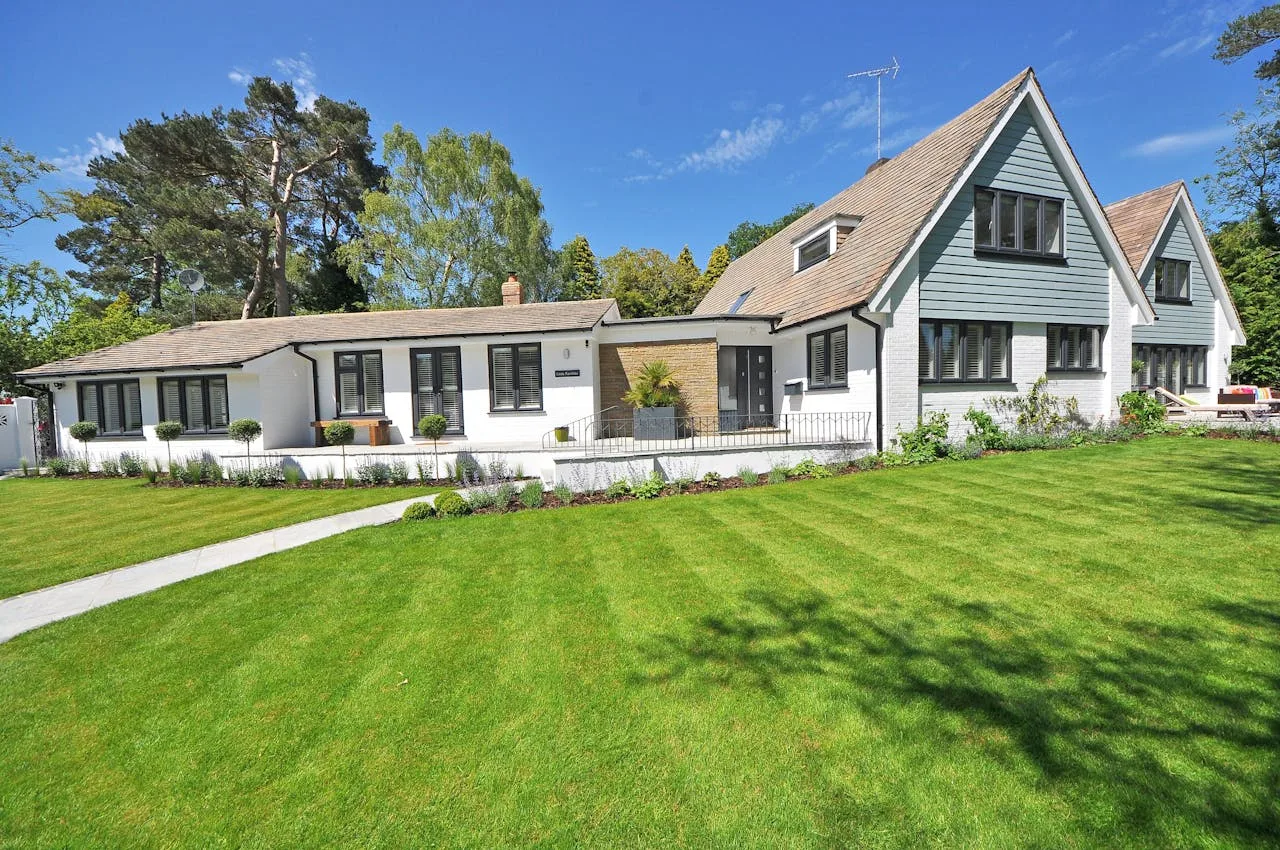
Curb appeal is often discussed as if it exists apart from structure and safety. In reality, it reflects how well the exterior systems are performing. A straight roofline, intact siding, clean gutters, and secure entry points signal that the house is being cared for. Improving a home’s exterior does not require flashy design or constant renovation. It requires attention to how each component supports the others. When that balance is maintained, the house not only looks better from the driveway. It stands up better to whatever the next season brings.