



6 minute read
Designing a living room often starts with one big question: where does the screen go? In the past, the television was a bulky box that sat in a corner. Today, it is a sleek piece of technology that can hang like art.
Finding the right spot involves more than just a clear view. It requires thinking about light, comfort, and how you use the space every day. A smart layout makes your home feel cozy and functional at the same time.
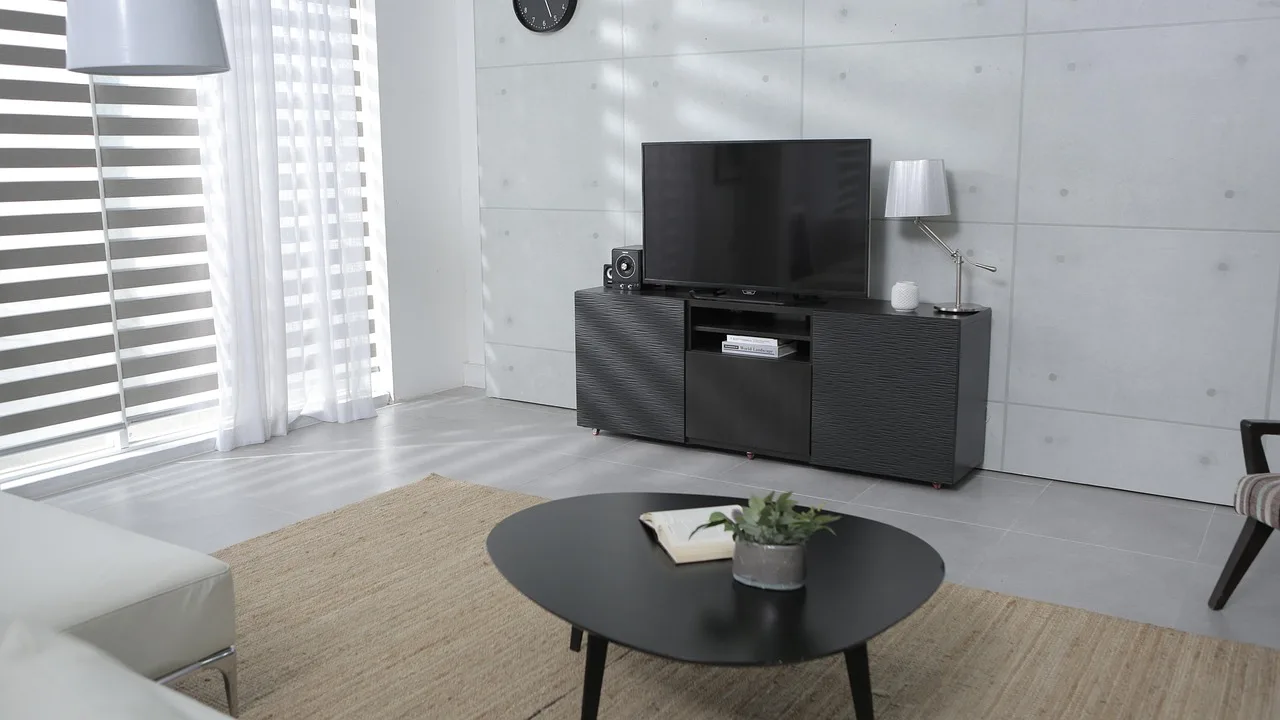
The Evolution Of Living Room Spaces
The way we arrange our furniture has changed a lot over the last 10 years.
Many homeowners now prefer a minimalist look that clears up floor space. When you use high-quality TV mounts to secure your screen, the whole room feels more open and organized. This approach works well in both large and small homes.
Modern homes often have open floor plans that connect the kitchen and the seating area. This means the screen must be visible from several different angles.
Planning for these sightlines helps keep everyone involved in the conversation. You do not want to feel isolated in a separate room as a movie is playing.
Think about how your family uses the room during the day and night. Some people want a dedicated theater feel for weekend films.
Finding The Perfect Viewing Angle
Comfort is the most important factor when you decide on a height for your display. If the screen is too high, you might end up with a sore neck after just one hour.
An article in a federal medical database noted that poor screen positioning can lead to physical issues like stiff necks and backaches.
You should think about how far away you sit from the display. If you are too close, you might notice the individual pixels on the screen. If you are too far, you will struggle to read any text or see small details.
Experts suggest measuring the distance from your favorite chair before you commit to a spot. Your seating should be arranged to support good posture. A couch that is too deep or too soft can cause you to slouch as you watch.
Modern Design Meets Technology
Blending a large screen into a stylish room can be a challenge for many people. You do not want the black rectangle to dominate the entire wall when it is turned off.
A recent trade publication suggested that using organic textures and wood accents can help soften the look of electronics.
Mixing different materials like stone and fabric adds depth to the room. You can use large plants or bookshelves to frame the screen area. It prevents the technology from feeling like an afterthought or a distraction. A well-designed room feels like a single, cohesive unit.
Think about the colors on your walls as well. Darker colors can help the screen blend in when it is not in use.
Lighter colors make the room feel bigger, but can create more contrast with the black glass. Many people are choosing muted tones like sage green or warm grey for their media walls. These colors are easy on the eyes and look great in any lighting.
Creative Ways To Hide Your Screen
Not everyone wants their television to be the center of attention at all times. There are many creative ways to tuck the screen away when guests come over.
Some people use sliding barn doors or custom cabinets to cover the wall. This allows you to switch the room from a media hub to a formal sitting area in seconds. It provides the best of both worlds for a busy household.
Another popular option is to use a motorized lift that hides the screen inside a piece of furniture. You can press a button, and the display disappears into a sideboard or at the foot of a bed.
- Install a gallery wall around the screen to distract the eye
- Use a decorative cloth or tapestry to cover the display
- Place the screen inside a deep bookshelf surrounded by items
- Opt for a mirror display that looks like a standard mirror when off
Managing Light And Reducing Glare
Natural light is a wonderful feature, but it can be an enemy to your screen. Glare from a nearby window makes it almost impossible to see dark scenes in a movie.
An optometry association suggests that reducing glare is a key way to prevent digital eyestrain and headaches. You can use blackout curtains or shades to control the light during the brightest parts of the day.
Positioning the screen away from direct sunlight protects the internal components. Excessive heat from the sun can damage the display. If you must place the TV near a window, try to put it on a perpendicular wall.
Artificial lighting is just as important as the sun. Avoid placing bright lamps directly opposite the screen. Instead, use soft ambient lighting behind the display to reduce the contrast.
Corner Layouts And Small Room Solutions
Living in a smaller home requires some extra creativity when it comes to furniture. A corner layout can be a great way to save space and open up the floor. It leaves the rest of the area free for a dining table or a home office.
- Use a swivel base to adjust the angle for different seats
- Choose a slim console that does not stick out too far
- Mount the screen on a corner bracket to maximize every inch
- Keep cables tucked away to prevent a cluttered look
When space is tight, every piece of furniture must work harder. You might choose a coffee table with built-in storage for your remotes and controllers.
Using light-colored rugs can make a small room feel less cramped. The goal is to create a flow that allows people to move around easily. A smart layout makes even the smallest apartment feel like a palace.
Sound And Connectivity Integration
Speaker placement changes the entire feel of a movie or a sports game. You should try to place your soundbar or speakers at the same level as your ears. Wireless technology has made it much easier to set up a clean room.
You no longer need to run long wires across the floor to connect your speakers. Most modern systems use Bluetooth or Wi-Fi to communicate with each other.
Don’t forget to plan for your internet connection as well. A smart TV needs a strong signal to stream high-definition content without buffering.
If your router is in another room, you might need a mesh system or a long Ethernet cable. Having a reliable connection is just as important as having a good screen.
Setting up your living room is a personal journey that depends on your style. There is no single right answer for everyone. By focusing on comfort and light, you can create a space that you truly love. Take your time to test different spots before you make a final decision.