



5 minute read
Starting a garage workspace is a dream for many DIY fans. You need a dedicated area where you can fix broken furniture or build new items from scratch.
Having the right gear makes these tasks much easier to complete. A well-stocked bench allows you to work safely and turn your creative ideas into real projects.
Joining Materials Securely
Projects involving metal or thin sheets require specialized hardware. You cannot always reach both sides of a joint to tighten a nut or bolt.
Standard bolts require you to reach both sides of a project for tightening. Selecting reliable blind rivet solutions allows you to secure materials from a single side efficiently. This approach is common in automotive work and home repairs where space is limited.
These fasteners provide a strong grip that does not loosen. They are simple to install with a manual or powered tool. You can use them to join aluminum, steel, or even plastic components.
Organizing Your Core Hand Tools
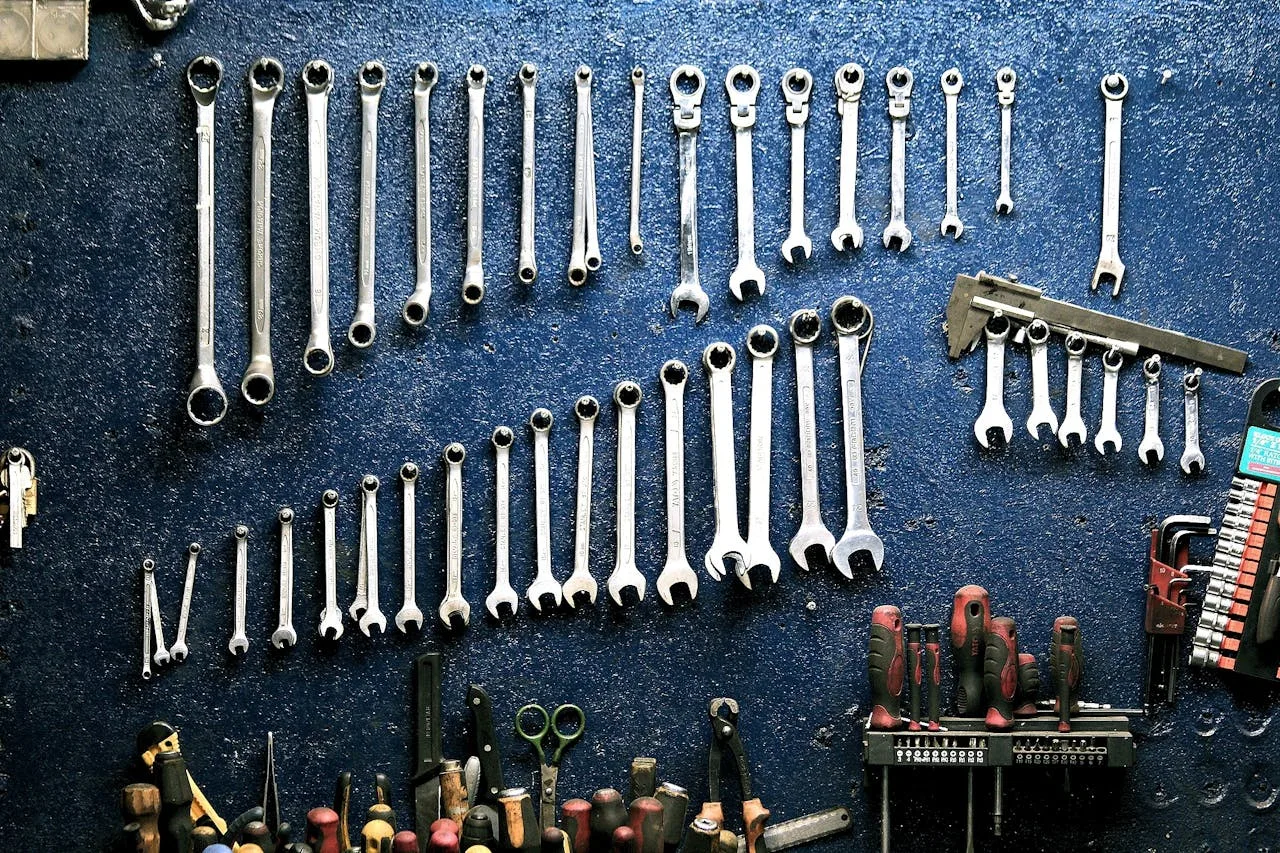
Every workspace needs a solid collection of manual equipment. These items are the first things you reach for when a quick fix is needed. You can use them for small repairs around the house without much setup time.
A construction industry article recommended starting with a hammer and a reliable screwdriver set. Having a tape measure nearby helps you avoid errors before you start cutting. These simple tools form the foundation of any project you tackle.
Manual tools give you a level of control that power tools sometimes lack. They are perfect for delicate tasks where precision is the main goal. You should keep them in a place where you can grab them fast.
Harnessing Power With Drills
Power tools take the physical strain out of heavy construction. They allow you to finish large projects in a fraction of the time. This makes building large shelves or decks much more manageable.
One technical post noted that an electric drill is useful for making holes in many different materials. You can change the speed and torque to match the hardness of the surface. This versatility makes the drill the most used power tool in many shops.
Modern cordless models offer the freedom to move around without tripping over cables. This mobility is a major benefit for outdoor repairs or high places. High-capacity batteries allow you to work for hours on a single charge.
Selecting Modular Tool Systems
Keeping your bench tidy is easier when your tools work together. New designs focus on saving space while providing high performance. This helps you fit more capability into a small garage or shed.
A home repair site recently featured a modular system that uses interlocking battery blocks. This design lets you power several different devices using the same battery base. It simplifies your storage needs and keeps everything in one place.
These systems reduce the number of chargers you need to keep on your workbench. It is an efficient way to expand your collection without creating clutter. You can add new tool heads as your projects get more complex.
Cutting With Precision Handsaws
Even with power saws available, manual cutting tools remain very useful. They are quiet and do not require a power source to operate. You can make a quick cut without setting up a large table saw.
A tool review site mentioned that effectiveness and cut quality are the top traits to seek in a handsaw. A sharp blade makes sure that your pieces fit together perfectly. You should look for a comfortable handle that reduces hand fatigue.
Different tooth counts allow you to choose between fast rough cuts or smooth finishes. Matching the saw to your material prevents splintering and rough edges. A fine-tooth saw is best for molding and trim work.
Maintaining A Clean Workspace
Sawdust and metal filings can become a breathing hazard if they build up. Keeping the air and floor clear is a part of professional workshop habits. It makes the environment more pleasant for long building sessions.
A supplier article suggested that a shop vacuum is the best way to keep your setup clean. These vacuums handle large debris that would clog a standard household machine. They can suck up liquid spills if you are working with paints or stains.
Using a vacuum helps you see your marks more clearly as you work. It prevents the spread of dust to the rest of your home. A clean floor reduces the risk of slipping while carrying heavy materials.
Building your collection of tools takes time and careful thought. You do not need to buy every single item at once to start making progress on your projects.
Focus on the tools you use the most and expand your workshop as your skills grow. A well-organized space with quality equipment will provide years of productive building and repair work.