



4 minute read
Owning a vehicle provides a sense of freedom and independence for many drivers. Keeping that car in good condition requires a consistent approach to maintenance. Small investments in time now prevent major financial burdens later. Taking care of the machine helps it last for many years on the road.
Staying ahead of wear and tear is the secret to a long-lasting engine. Most mechanical failures start as tiny issues that are easy to fix. Drivers who ignore these signs often find themselves stuck on the side of the road. A little bit of knowledge helps prevent these stressful situations.
Routine checks are not just for older vehicles. New cars benefit just as much from regular inspections and fluid top-offs. Setting a schedule for these tasks makes them easier to remember. Following a plan keeps the vehicle safe for the driver and any passengers.
The Value of Routine Maintenance
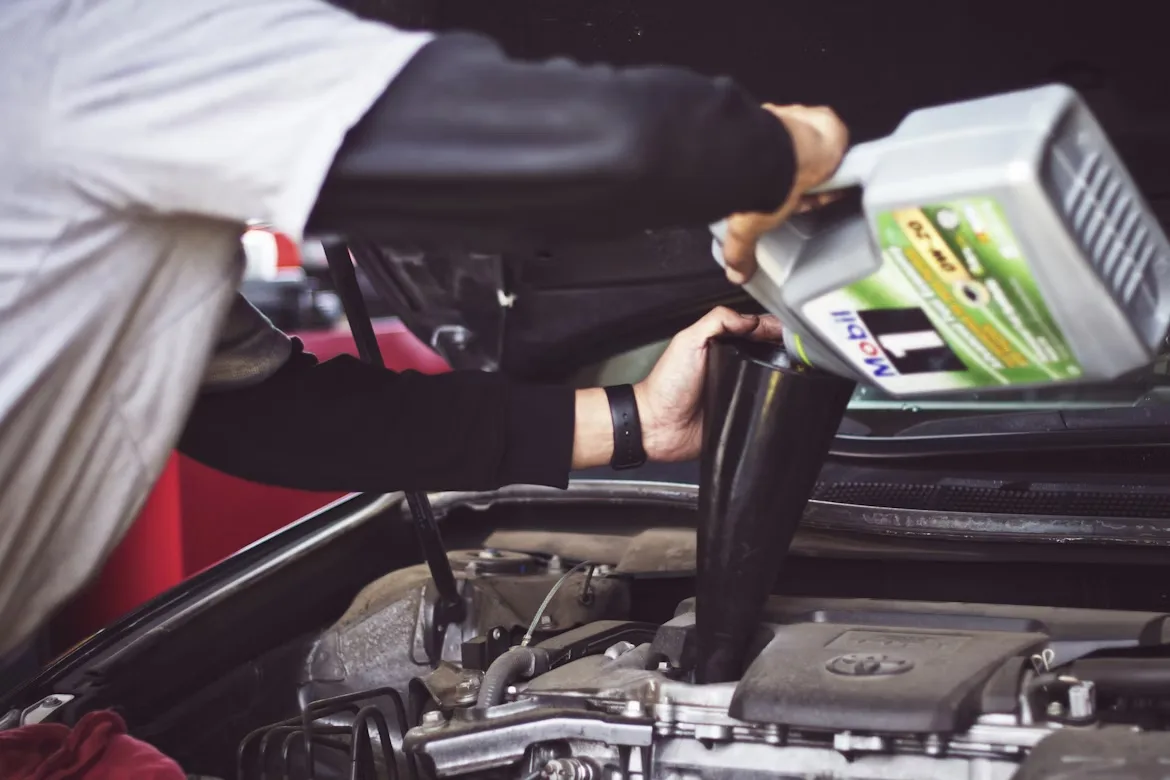
Neglecting basic tasks leads to mechanical failures that are easily avoided. Understanding What Happens if You Don’t Change Your Oil helps drivers realize how critical fresh lubricant is for the engine. Moving parts need protection from heat and friction to stay functional. Regular checks catch minor leaks before they turn into engine replacements.
Metal components inside the motor rub against each other at high speeds. Oil provides a thin layer that stops these parts from grinding together. Over time, that oil picks up dirt and debris from the internal combustion process. Fresh fluid keeps everything clean and running at the right temperature.
Tire Health and Safety
Tires are the only point of contact between the vehicle and the pavement. Maintaining proper air pressure improves gas mileage and makes sure the car handles correctly. Rotating tires every 6000 miles helps the tread wear down evenly across all 4 wheels. This practice extends the life of the rubber and saves money on replacements.
Items to check during a tire inspection:
- Current tread depth
- Sidewall cracks or bulges
- Uniform air pressure levels
- Wheel alignment status
Properly aligned wheels prevent the car from pulling to one side as you drive. This makes the driving experience more comfortable and much safer. Tires with good tread provide better grip on wet or icy roads. Checking the pressure once a week is a great habit to start.
Checking Your Battery and Electrical Systems
A dead battery is one of the most common reasons for a morning tow. Most car batteries last 3 to 5 years, depending on the climate and driving habits. Testing the charge once a year prevents getting stranded in a cold parking lot. Corrosion on the terminal blocks the flow of electricity and causes starting issues.
Cleaning those connections is a simple task that extends the life of the battery. Mechanics use a special tool to check how much life is left in the cells. Replacing a weak battery on your own schedule is better than waiting for it to fail. It guarantees the car starts every time the key is turned.
Belts and Hoses Inspection
Rubber components under the hood degrade over time due to heat and age. Serpentine belts drive the alternator and the power steering pump. If a belt snaps, the car will lose power and might overheat instantly. Checking for cracks or fraying edges is a quick way to spot a failing belt.
Hoses carry hot coolant from the engine to the radiator. A burst hose leads to a sudden loss of cooling and potential engine damage. Squeezing the hoses to check for soft spots is part of a thorough inspection. New hoses and belts are inexpensive and easy for a professional to install.
Long-Term Vehicle Performance
Modern cars are built to last for hundreds of thousands of miles with the right care. Filters for air and fuel keep contaminants out of the sensitive internal systems. Replacing a dirty engine air filter allows the car to breathe better and run more efficiently. Clean filters mean the engine doesn’t have to work as hard to maintain speed.
This small investment pays off in better fuel economy and a smoother ride. Keeping the exterior clean further protects the paint and prevents rust on the frame. A well-maintained car is more reliable and holds its value much better. Consistency is the most meaningful part of any car care routine.
Owning a vehicle is a responsibility that pays dividends when handled with care. A few minutes of effort every month makes a massive difference in the long run. Enjoy the confidence that comes with knowing your car is in top condition. Safe travels depend on a machine that is ready for any journey.