


5 minute read
If you own an aging RV in Maine, the hardest part is often not recognizing that something is wrong. The real challenge is deciding when those problems have moved from manageable to expensive. A leaking roof, soft flooring, rusted frame sections, or a failing engine can quickly turn a once reliable camper into something that drains both money and space. In a place where cold winters and long idle months are common, RV damage rarely improves on its own.
How Junk RVs Reach The Breaking Point
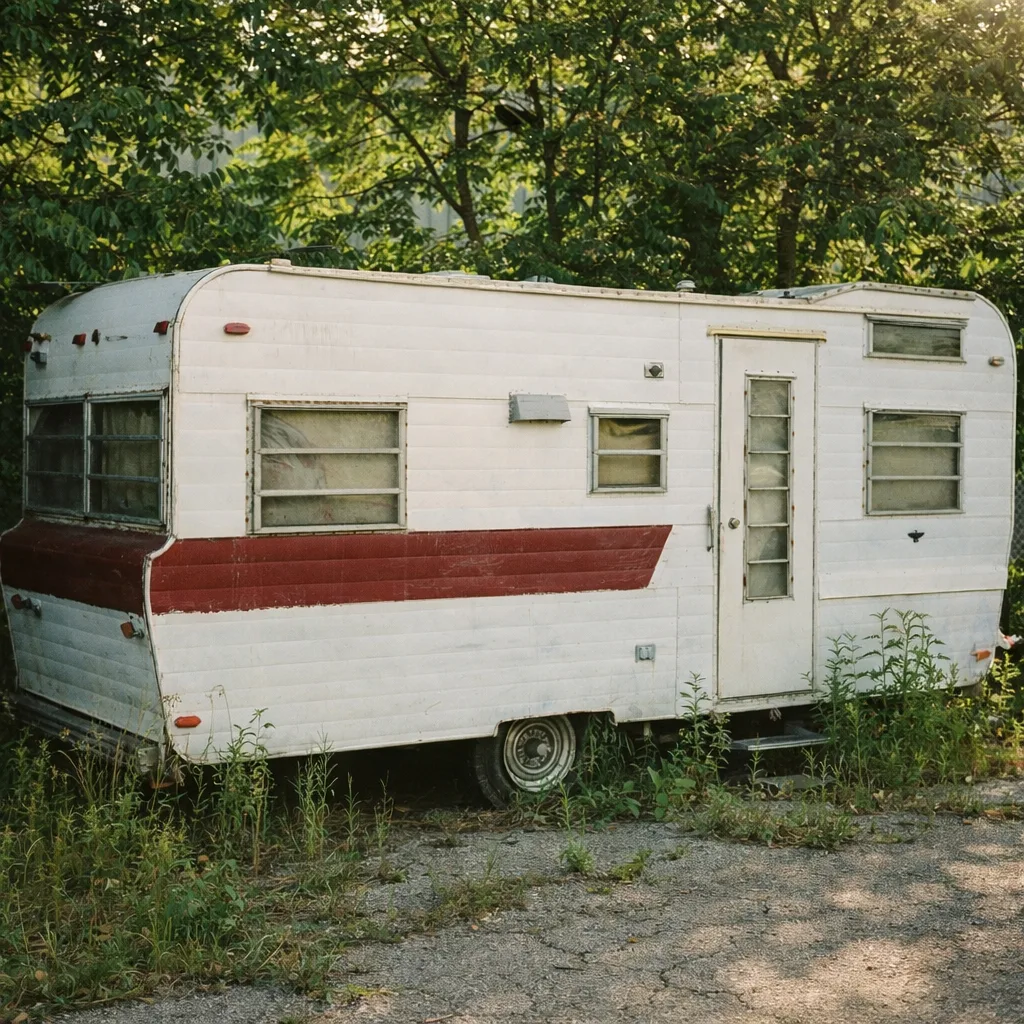
Your RV usually does not become junk overnight. The decline often starts with smaller problems like a minor leak, worn seals, electrical trouble, or moisture creeping in around windows and roof vents. Over time, those issues spread into the walls, subfloor, insulation, and wiring, turning what once felt manageable into a much larger and more expensive situation. Eventually, you may decide to sell your junk RV fast in Maine because continued repairs begin to feel less like a solution and more like an endless cycle.
Maine’s climate only makes that decline harder to stop. Freeze and thaw cycles can widen cracks, trapped moisture can lead to mold and rot, and long storage periods often make mechanical problems worse. An RV that seemed repairable last year can look very different by the following spring. In many cases, it is not one major failure that pushes it beyond saving, but a series of smaller problems that keep building on each other.
Know The Difference Between Repairable And Draining
Some RV problems are still worth fixing, especially if the unit has strong resale potential or only needs a limited repair. Replacing a battery, fixing an appliance, or installing new tires is very different from dealing with widespread water damage, frame corrosion, or a major roof replacement. The challenge is learning to look at the entire condition of the RV instead of focusing on one repair at a time.
A helpful way to judge the situation is to ask yourself whether the RV will realistically serve you after the next repair. If keeping it means handling Roof Replacement along with the flooring, plumbing, and electrical system, the math often stops making sense. Over time, you are not restoring an RV anymore. You are investing in a cycle of repairs that continues to grow.
What Decay Really Costs Over Time
The cost of keeping a junk RV is rarely limited to parts and labor. You may also deal with storage issues, towing concerns, cleanup work, and the constant reminder that the vehicle is no longer being used. An old RV parked in a driveway or on rural property might seem harmless at first, but eventually, it becomes another unfinished problem demanding attention.
Hidden costs can appear in several ways:
- Water damage is spreading behind the walls and the flooring.
- Mold or lingering odors inside the cabin.
- Tire deterioration caused by dry rot.
- Pest activity during long storage periods.
- Difficulty towing or transporting a non-running RV.
- Declining resale value each year it sits unused.
Because of these factors, waiting is not always the cheaper choice. If a damaged RV sits too long, it may lose the remaining value it once had.
When Replacement Makes More Sense Than Repair
Before long, you may reach a point where replacing the RV is more practical than repairing it. Replacement does not necessarily mean buying a new RV immediately. Sometimes it simply means removing the one that no longer serves your needs so you can move forward without the burden.
This decision often becomes easier when you shift your mindset from emotional attachment to practical thinking. Your RV may hold memories of road trips and weekends away, but that does not mean it should remain a permanent project. If the vehicle now demands repeated spending and constant effort, letting it go can be the smarter move. Many lifestyle and auto discussions highlight this same principle: keep what still works for your life and release what no longer does.
Why Fast Removal Can Be The Smartest Option
If your RV has serious damage, quick removal may be the most practical solution. Selling it to a buyer who specializes in junk RVs can save time and eliminate the need to arrange your own towing or disposal. Instead of trying to market a heavily damaged vehicle privately, you can work with buyers who understand salvage value and condition-based pricing.
This approach often works well in Maine, where travel distances and weather conditions can complicate transportation. Buyers who deal with junk RVs are usually familiar with non-running vehicles, older campers, and units that require towing. When the process is clear and pickup is arranged quickly, removing the RV becomes a simple decision rather than a stressful one.
Clear The Problem Before It Gets Worse
The truth about junk RVs is straightforward. Damage spreads, decay continues, repairs multiply, and replacement usually comes later than it should. When you act early, you often have more choices and less stress than if you wait until the RV becomes impossible to move. Whether the issue is water damage, mechanical failure, or years of wear, the best step is often the one that stops the problem from growing. For many RV owners in Maine, that means taking an honest look at the condition of the vehicle and choosing a faster path forward.