



4 minute read
About 14.5 million people own boats nationwide, and many dream of the open water as soon as the ice thaws. It is a ritual of anticipation, but the excitement of the season can quickly fade if your infrastructure is not up to the task. Before the coolers are packed or the engine is turned over, your dock requires a rigorous inspection to ensure it remains a safe transition point between land and lake.
Assessing Winter Damage
Winter is notoriously harsh on marine hardware, often causing metal-grade stainless steel to rust or wood to warp under the weight of ice and snow. You should start with a slow walk across the entire surface to feel for any shifting or soft spots that indicate structural fatigue.
Check the connections where the shore meets the floating sections, as these points absorb the most stress from rising spring water levels. Since more than 2,000 people are injured every year in a recreational boating context, you need to be vigilant.
Stability and Hardware Integrity
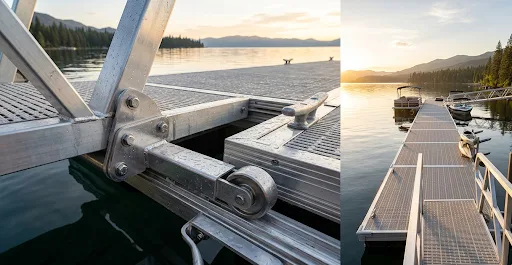
A high-quality gangway docking system serves as the literal bridge for your guests, and its stability is non-negotiable for a worry-free summer. First, inspect the rollers for flat spots and ensure the hinges move freely without grinding or sticking.
Next, check for any hairline fractures in the aluminum welds or signs of stress where the gangway attaches to the shore-side abutment. These moving parts are subject to constant friction from wave action, so a quick application of marine-grade lubricant can prevent the metal-on-metal wear that leads to costly mid-season replacements.
Lastly, verify that the handrails remain rigid and that all safety toe-boards are flush against the frame to prevent trip hazards during heavy foot traffic. If you check all this now, rather than only after the season starts, you’ll ensure your family stays safe. And that’s worth every drop of effort it takes to carry out modest maintenance.
Cleaning and Surface Safety
Keeping the surface clean is about more than just aesthetics because organic growth can become a major slipping hazard when wet. A thorough scrubbing prevents the buildup of silt and grime that eats away at protective coatings over time. Follow these steps to ensure your decking remains in top condition:
- Scrub all aluminum surfaces with a mild baking soda paste to remove oxidation
- Check every ladder rung for tightness to prevent accidental falls into the water
- Clear out any bird nests or debris from under the frame to allow for proper airflow
Sealing and Hardware Protection
Once the cleaning is done, turn your attention to the smaller hardware that keeps everything together. Marine-grade sealants are the best defense against long-term water intrusion. Apply these to any exposed wood or joints that show signs of separation, much like how you’d look after your home’s exterior each year.
Spring prep is a marathon, not a sprint, so taking the time to tighten every bolt pays dividends when the lake gets busy. When the hardware is secure and the surface is clear, you can focus entirely on the horizon.
Modernizing Your Waterfront Setup
Investing in the right equipment early in the year reduces the need for emergency repairs during peak boating months. If you notice significant wear on your transition plates or handrails, it might be time to consider upgrading to a model with better weather resistance.
Upgrading components now ensures that you spend your weekends on the boat rather than under the pier with a wrench. For more ideas on enjoying the recreational activities that keep you happy and healthy, our site has plenty more posts to get stuck into, so check them out if boating isn’t your bag.