


4 minute read
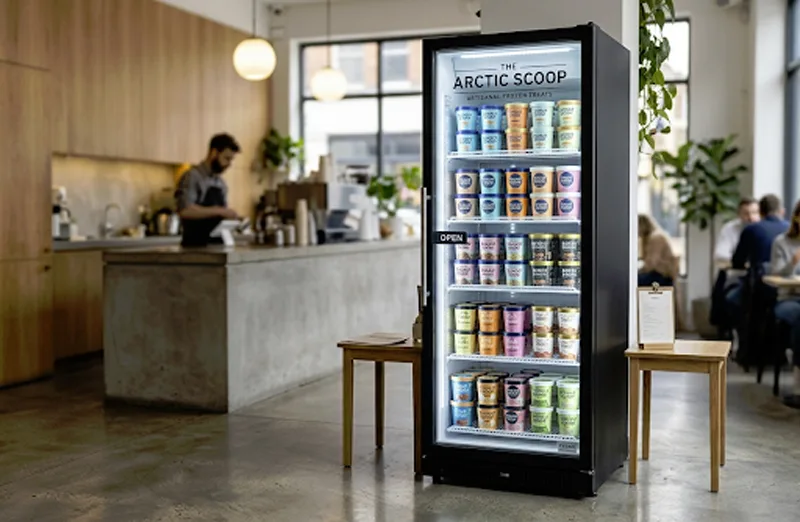
At least 850 new retail stores are planned to open this year, many of which require specialized cooling to survive. While a standard chest freezer hides your inventory beneath a heavy lid, a glass door merchandiser freezer turns your products into a visual invitation.
These units are engineered specifically for high-traffic environments where visibility is just as important as temperature stability. Unlike the freezer in your kitchen, these commercial workhorses use forced-air refrigeration to recover internal temperatures in seconds after a door is opened.
The Engineering of Visibility
A merchandiser is defined by its ability to market products while maintaining a deep freeze. Most modern units utilize triple-pane thermal glass coated with a transparent reflective film to prevent condensation from blocking the view, ensuring that even in humid environments, the “fog” effect never ruins the presentation of your inventory. Beyond the glass, the interior is often lined with white aluminum or stainless steel to bounce light around the cabinet.
Triple-pane glass technology can reduce energy consumption by up to 70% compared to older single-pane models. This efficiency is critical because these units are designed to stay illuminated 24 hours a day. Many newer models now feature 6000K LED lighting strips that mimic natural daylight, making frozen packaging pop with vibrant color.
Shop for glass door merchandiser freezers that prioritize both energy efficiency and high-impact lighting. Retailers often choose these units because they bridge the gap between storage and sales. When a customer can see the product without opening the door, the compressor cycles less frequently, which preserves cold air and extends the motor’s lifespan and keeps electricity bills manageable for small business owners.
Key Components of Modern Merchandisers
The transition to eco-friendly refrigerants has changed how these freezers operate internally. Most units manufactured today utilize R290 refrigerant, a specialized grade of propane that has a negligible impact on global warming. This gas is more efficient at heat transfer than older chemicals, allowing for smaller compressors that still pack a significant cooling punch.
There are several standard features you should expect in a high-quality merchandiser:
- Self-closing doors with magnetic gaskets to ensure a tight seal every time
- Adjustable PVC coated wire shelves that allow for custom inventory heights
- Digital temperature controllers with external displays for easy monitoring
304-grade stainless steel components are essential for units installed in high-moisture areas such as garages or commercial kitchens. This material resists the corrosion that typically ruins cheaper residential appliances within a few years.
Choosing the Right Display Freezer
Size is the first hurdle for most buyers. A single-door unit usually offers about 20 to 24 cubic feet of space, which is perfect for a small cafe or a dedicated “beverage and ice cream” corner in a home lounge. If you are running a high-volume microbusiness, a double-door unit doubling that capacity becomes a necessity.
Pick your spot and check the clearance, because cooling requires constant airflow. You must ensure there is at least two inches of space around the vents to prevent the unit from overheating during the summer months. Most merchandisers exhaust heat from the bottom or back, so placement against a wall requires careful planning.
While these units are staples in convenience stores, they are gaining popularity with content creators and home entertainers. A sleek black-framed freezer filled with artisanal ice cream or colorful frozen treats creates a specific aesthetic that a standard white box cannot match.
Since these units are built to last over a decade under heavy use, they represent a long-term investment in both organization and style. At a time when food prices increase regularly, any step you can take to find efficiencies elsewhere will pay off.
Maximizing Your New Unit
Once the freezer is installed, the layout of the shelves determines how much power you actually use. Overcrowding the shelves can block the internal fans, leading to “hot spots” where food might begin to soften. Leaving a small gap between the back wall and your products ensures the cold air circulates evenly from top to bottom.
Check the internal fans, keep the coils clean, and remember that maintenance ensures long-term performance. Dusting the condenser coils every few months is the simplest way to prevent a service call. When the coils are clean, the motor doesn’t have to work nearly as hard to reject heat.
For more tips on running a business, optimizing your at-home setup, and generally managing the ups and downs of everyday life, see what else we’ve posted about on our site.