



4 minute read
As many as 1,000 residential structural fires occur on a typical day in the United States. While that number is sobering, the evolution of home automation has turned the tide by giving homeowners back time.
In the past, a smoke detector was a passive observer that only screamed when a room was already thick with haze. Today, smart sensors and integrated ecosystems act as proactive guards, distinguishing between a burnt piece of toast and a legitimate electrical surge.
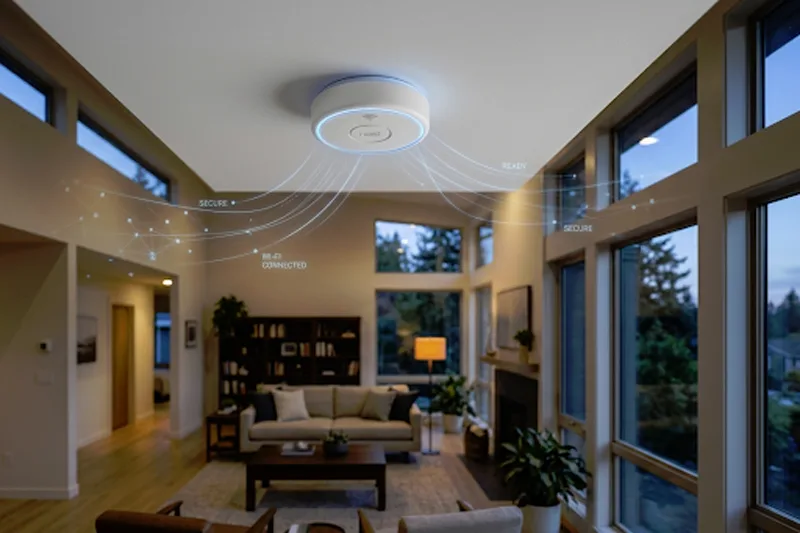
Digital Detection and Response
Smart smoke and carbon monoxide detectors are the backbone of this modern defense. Traditional alarms might save lives if you are home, but they are useless if you are at work or traveling while a short circuit occurs.
Current AI-driven fire detection systems now reduce false alarms by analyzing the density of particles in the air before triggering a full siren. This technology ensures that when your phone vibrates with an emergency notification, you know the threat is real and requires immediate intervention.
The latest 2026 hardware utilizes the Matter protocol to allow different brands to communicate without friction. When a smart alarm detects heat, it can automatically trigger your smart lights to turn on at full brightness and unlock your smart deadbolts, providing a clear exit path.
Setting up these automation routines relies on knowing what else you need to do to ensure protection based on where you live. The most effective steps to prepare for wildfires in Boulder differ from those that apply in Los Angeles, for example. Regardless of local likelihoods, it’s best to embrace automation because it removes the panic of fumbling for keys or navigating a dark hallway during an evacuation.
Exterior Protection and Air Monitoring
High-tech safety extends beyond the home’s interior walls. Smart sprinkler controllers and outdoor weather stations provide a secondary layer of protection against encroaching flames. By monitoring local wind speeds and humidity levels, these devices can predict when conditions are ripe for an ember to ignite.
Modern homeowners often deploy various sensors to create a comprehensive safety perimeter.
- Smart sprinklers can be activated remotely to hydrate the perimeter of a property
- Indoor air quality monitors track particulate matter from distant smoke plumes
- Outdoor cameras with thermal sensors identify heat signatures near the fence line
Redundancy Through Professional Systems
Buy the tech, sync the devices, and remember that modern safety requires a digital net. These tools work best when they are part of a larger strategy that includes physical maintenance and professional oversight.
A smart camera might show you where a fire is starting, but it cannot move a pile of dry brush away from your siding, just like an action camera might record your adventures but won’t save you from a serious fall in the wilderness. Using integrated protection systems ensures that your home is monitored by professionals even when you lose cell service during a local emergency.
Early detection is the only way to minimize property damage and ensure every family member gets out safely. By the time you smell smoke, a fire has often been growing for several minutes. Modern sensors reduce that window to seconds by “seeing” the fire through data points and infrared light.
Smart Tech for Long Term Resilience
Investing in these gadgets creates a failsafe that functions 24/7 without fatigue. While no device can guarantee that a fire will never start, the ability to catch a flare-up in its infancy can change the outcome from a total loss to a manageable incident.
You should explore our other guides on preparing your home for whatever disasters might strike, as well as our posts on everything from curb appeal to interior upgrades.