



4 minute read
In 2025, the average age of cars on the road in the US hit 12.8 years, and running a vehicle that’s long in the tooth can lead to a grueling financial crossroads. When a transmission slips or the check engine light glows, you face a high-stakes choice between your bank account and your mobility. You have to decide if that last-generation sedan is a reliable partner or a sinking ship.
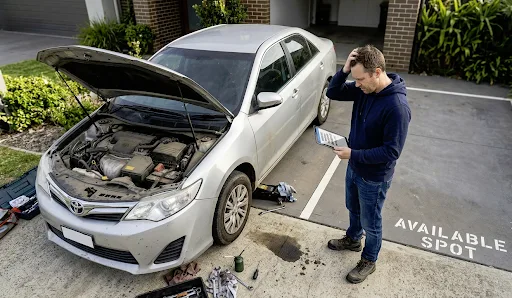
The Mathematics of the Breaking Point
Modern vehicles are essentially computers on wheels, which means a minor collision often triggers a cascade of expensive electronic failures. Average car repair costs hit a high of $900 in 2026, driven by the complexity of advanced driver-assistance systems. If your mechanic hands you an estimate exceeding 50% of the car’s trade-in value, you are likely throwing good money after bad.
A common rule of thumb suggests that if the annual cost of repairs surpasses your potential yearly car payments, it is time to move on. You should factor in the cost of upcoming maintenance, like new tires or brake rotors, alongside the immediate crisis.
Evaluating Your Specific Situation
Every vehicle eventually reaches a threshold where it transforms from a tool into a liability. For some, the lack of a monthly payment makes even a $2,000 repair feel like a bargain compared to a new loan. However, 38% of repair shops report that more owners are walking away from their vehicles this year because the bills have become impossible to justify.
Before you authorize a major engine overhaul, you must inspect the frame for deep-seated corrosion or structural fatigue. These issues are often terminal and cannot be solved by simply swapping out mechanical parts.
If you find yourself stuck with a driveway ornament, exploring old vehicle trade-in options can help you recover some cash without sinking more into a lost cause. For non-running or severely damaged cars, choosing a solution that offers quick removal and minimal hassle can make the process far easier, especially when repairs are no longer financially viable.
Deciding to sell requires a clear-eyed look at these three factors:
- The total cost of the current repair estimate compared to the current resale value
- The probability of another major component failing within the next six months
- Your personal need for a vehicle that starts reliably every single morning
Assessing Safety and Lifestyle Impact
A car is more than a line item on your personal budget; it is the primary safety cell for you and your family. Older vehicles lack the sophisticated side-impact protection and automatic braking found in newer models. When a major repair is required, you are not just paying for a fix, you are choosing to stay in an outdated safety ecosystem.
The hidden cost of a broken car is the time lost waiting in waiting rooms or coordinating rides. Do the math, check the value, and keep in mind that a new ride offers better peace of mind. If your vehicle spends more time on a lift than on the interstate, the “cheaper” path of repairing it is actually costing you in lost wages and stress.
Future Reliability and Resale Value
Vehicle depreciation is a relentless force that works against you even while the car sits in your garage. Most cars lose 40% to 60% of their value by their third year, and a car with a history of major mechanical failure is notoriously difficult to sell. Spending $4,000 to fix a $5,000 car does not result in a $9,000 asset; it leaves you with a $5,000 car and a very light wallet.
When you weigh the cost of a replacement, remember to factor in a modern vehicle’s fuel efficiency and lower insurance premiums. Sometimes the smartest financial move is to stop the bleeding and start fresh with a car in good condition.
Choosing Your Best Path Forward
Whether you decide to double down on your current vehicle or pivot to something new, the choice should be based on data. Get a second opinion from a specialist who knows your specific make and model before signing off on any major work. If the diagnosis is grim, trust the numbers and look for a way to exit the vehicle with as much capital as possible.
Our various other guides on keeping on top of major financial issues at home are worth reading, so if your car is only one of several pain points putting pressure on your bank balance, stick around on our site.