



7 minute read
The window is closing. Not dramatically, not overnight — but with the quiet inevitability of a tide going out. The Mazda MX-5 has already crossed into proper classic territory. The Porsche Boxster 986 that sat unsold on forecourts for years? Gone, or priced accordingly. And now the same gravitational pull is drawing in the last genuinely affordable British sports cars — the Elises, the MGFs, the Caterhams that honest working people could buy, thrash, and love without remortgaging the house. If you’ve been telling yourself you’ll get around to it, understand this: the secondhand market has started moving, and it won’t wait for you.
Why British Sports Cars Are Absurdly Cheap Right Now — And Why That’s About to Change
For most of the 2010s, cars like the Lotus Elise S1, the MGF Trophy 160, and the TVR Chimaera were considered awkward adolescents — too old to be modern, too young to be classic. Insurance companies treated them as liabilities. Mechanics refused to touch them. Private buyers walked past them at auction in favour of something with a touchscreen and lane assist.
That perception is now collapsing. The generation that grew up reading about these cars in the late ’90s is now in their late thirties and forties, with disposable income and a ferocious appetite for the analogue experience their daily EVs cannot provide. Simultaneously, strong low-mileage examples are being absorbed into private collections and simply removed from circulation. The supply side is tightening, quietly and permanently.
What remains at sensible money — under £15,000 — still represents extraordinary value. But the corridor is narrowing. These are not speculative purchases; they are cars that will give you genuine pleasure on a Sunday morning, and they happen to be appreciating assets as well.
The Shortlist: Five British Sports Cars Worth Every Penny Right Now
These are not the only options, but they represent the best balance of driver involvement, parts availability, community support, and realistic running costs at the under-£15k mark.
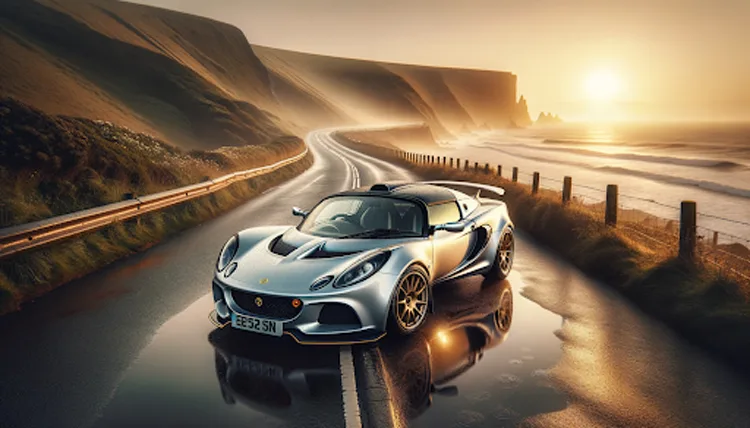
- Lotus Elise S1 (1996–2001): The purist’s choice. Around 120bhp, 725kg, and a steering rack that communicates more information than most modern cars’ entire sensor arrays. Budget £9,000–£13,000 for a solid, documented example. Avoid any with accident history or signs of kerb damage to the aluminium chassis extrusions.
- TVR Chimaera 4.0 (1992–2003): Thunderous Rover V8, open-top, hand-built in Blackpool. Prices for presentable cars start at around £8,000 — a figure that looks increasingly surreal given the noise, the feel, and the sheer theatre on offer. The TVR Car Club is your lifeline here; join before you buy.
- MGF / MG TF (1995–2005): Mid-engined, approachable, and wildly undervalued. The 160bhp Trophy version is the one to chase — expect to pay £4,000–£7,000 for a good one. The K-series head gasket reputation is overstated if the coolant has been looked after; check the service history religiously.
- Caterham Seven 1.6 (various years): Possibly the most rewarding driving experience available for under £12,000 anywhere on the planet. Not practical in any meaningful sense, but not designed to be. Depreciation is essentially zero on well-maintained examples, and the community is second to none.
- Mazda MX-5 Mk2 / NB (1998–2005): Technically Japanese, but so deeply woven into the British sports car fabric — and sold through British dealers on British roads — that it earns its place here. The best driver’s car per pound available. A pristine 1.8i Sport with a full history sits at £6,000–£10,000 and will embarrass far more expensive machinery on a twisting B-road.
What to Check Before You Hand Over a Penny
Buying a used sports car without due diligence is how people end up with expensive problems and bad memories. The good news is that the specialist communities around each of these cars are extraordinarily knowledgeable, and a pre-purchase inspection from a marque specialist costs a fraction of what it can save you.
For any car on your shortlist, run a full HPI check as standard. Beyond that, the critical items vary by model, but a few apply universally: look for consistent panel gaps (accident damage is common on sports cars driven enthusiastically), check tyre wear patterns for suspension or alignment issues, and treat any car without a stamped service history as a project rather than a ready-to-enjoy purchase.
For the Elise, inspect the aluminium chassis carefully for any signs of corrosion at the bonded joints — it’s rare but catastrophic when it occurs. For the TVR, find out if the cambelt has been changed on schedule. For the MGF, ask specifically about coolant flush intervals and whether the head gasket has ever been replaced or uprated.
The Running Costs Nobody Talks About Honestly
Ownership of a ’90s or early 2000s British sports car is not expensive in the way that ownership of a German sports car from the same era tends to be expensive. There are no sophisticated electronic systems to fail expensively, no adaptive suspension modules to rebuild, no dual-clutch transmissions to argue about. These are simple, mechanical things built by people who understood that a sports car’s primary function is to be driven.
That said, budgeting for maintenance is non-negotiable. A realistic annual allowance of £800–£1,500 for consumables, servicing, and the occasional unexpected repair is sensible for any of the cars on this list. Insurance is generally very reasonable — a Caterham or MGF driven seasonally will cost less to insure than most people expect, particularly with an agreed-value specialist insurer.
Storage is worth considering too. A properly ventilated garage makes a measurable difference to the long-term preservation of soft tops, tyres, and chrome — and it protects the investment you’re making.
Making It Yours: Personalisation Without Ruining the Car
Once you’ve found the right car, the temptation to personalise is understandable — and with these machines, modest changes can make a significant difference to how they feel and look. The key is restraint. Uprated tyres, a quality hood replacement on a soft-top, and a thorough mechanical refresh will always add more value — financial and emotional — than aesthetic modifications.
If you want to put your mark on the car without compromising it, a bespoke number plate is one of the cleanest ways to do so. Suppliers like Plates Express offer road-legal custom plates that can give a car a much more cohesive, purposeful look — particularly effective on something like a Lotus or Caterham where every visual detail matters.
Beyond that, resist the urge to lower the car further, fit oversized wheels, or modify the engine without understanding the implications for reliability and future saleability. The cars on this list are good because engineers made considered decisions. Trust those decisions.
The Real Reason to Act Now Has Nothing to Do With Money
The financial argument for buying one of these cars is compelling. The emotional argument is more important. We are living through a period in which the new car market is consolidating around a set of experiences — smooth, quiet, assisted, abstracted — that are genuinely excellent at what they do and almost completely devoid of the texture that makes driving feel like something worth doing for its own sake.
An Elise on a quiet Welsh B-road on a clear October morning is not transport. It is a conversation between you, the machine, and the road — conducted at a level of intimacy that no amount of driving modes or performance packages on a modern car can replicate. That experience is rarer than it used to be, and becoming rarer still.
The cars are still there. The roads still exist. And right now, for under £12,000, you can own something that will make you understand why people ever fell in love with driving in the first place. That window is open. It won’t be open forever.