


4 minute read
Finding a safe neighborhood in Peoria isn’t just about looking at numbers—it’s about really getting a feel for the place. Checking crime data is important, but it also helps to visit the area at different times of day and talk to people who actually live there. That can give you a much clearer picture.
`Peoria has a bit of everything: quiet suburban streets, more active city areas, and neighborhoods that fall somewhere in between. Some places tend to have lower crime, stronger schools, and a tighter sense of community—so if you’re looking for the safest neighborhoods, it helps to know what signs to look for beyond just online stats.
If you’re trying to figure out where to start, take your time. Look into crime trends, pay attention to how well homes and streets are maintained, and trust your instincts when you’re walking around. In this guide, you’ll get simple, practical tips to help you find a neighborhood that not only looks good on paper but also feels like a place you can truly feel safe and comfortable in.
What Should You Look for First?
Start with recent crime data instead of assumptions. Local police reports and public safety dashboards show how different parts of a city compare.
Focus on patterns over time. A neighborhood with steady improvement often signals stronger long-term safety than one with short-term dips.
Also, look at crime types. Property crime and violent crime affect daily life in very different ways, so they should never be mixed when judging risk.
How Do You Check Crime Statistics?
Public safety data is available through official reporting systems and local agencies, making it easier to compare neighborhoods side by side.
Pay attention to:
- Year-over-year crime trends
- Incidents per 1,000 residents
- Breakdown of violent vs. property crime
What Does the Neighborhood Feel Like?
Numbers only tell part of the story. Walking or driving through a neighborhood at different hours gives you a clearer sense of real conditions.
Pay attention to:
- Street lighting and visibility at night.
- Whether homes are maintained.
- Foot traffic and community presence.
A street that feels calm during the day may feel different after sunset. Observing both helps you avoid surprises.
Talk to People Who Live There
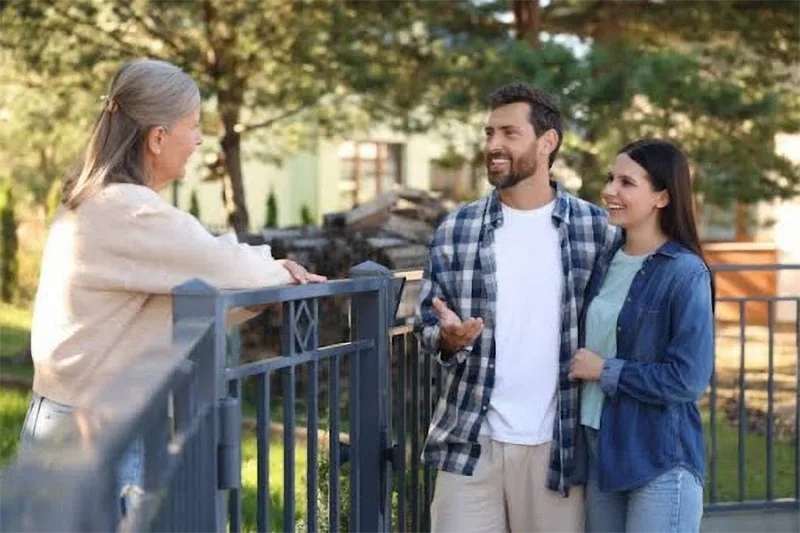
Residents often share details that don’t show up in official reports. A few conversations can reveal issues like break-ins, noise, or community tension.
Simple questions help:
- How long have they lived there
- Whether they feel safe walking at night
- Any recent changes in the area
When several people describe similar experiences, it usually reflects the real situation.
Check Schools and Community Activity
School quality often reflects how stable and engaged a neighborhood is, even if you don’t have children.
Look for:
- Consistent school performance trends.
- Active parent and community involvement.
- Parks, libraries, and public spaces are regularly used.
Areas with steady community activity tend to maintain better long-term safety.
Review Housing Trends and Turnover
High turnover can signal instability, while long-term residency often points to stronger neighborhood ties.
Pay attention to:
- How often homes are listed for sale
- Ratio of renters to homeowners
- Sudden shifts in property values
Stable housing markets usually align with more predictable and safer environments.
Are There Signs of Local Investment?
Physical upkeep often reflects how much attention a neighborhood receives from both residents and the city.
Look for:
- Road maintenance and clean sidewalks.
- Renovated or well-kept public spaces.
- Small businesses that stay open long-term.
These signals don’t guarantee safety, but they often line up with more stable areas.
Key Takeaways
- Use crime trends over time, not single reports.
- Visit neighborhoods at different times of day.
- Speak with residents for real-world insight.
- Check school performance and community activity.
- Watch housing stability and turnover rates.
- Look for visible upkeep and local investment.
- Combine data with on-the-ground observation.