



5 minute read
Managing a massive operation from a distance presents unique challenges for any supervisor. Success depends on clear communication and the right technology to bridge the gap between locations.
Managers must juggle multiple moving parts at once to keep every project running smoothly. Using the right digital systems can make the difference between a messy site and a profitable one.
Tracking Remote Time And Efficiency
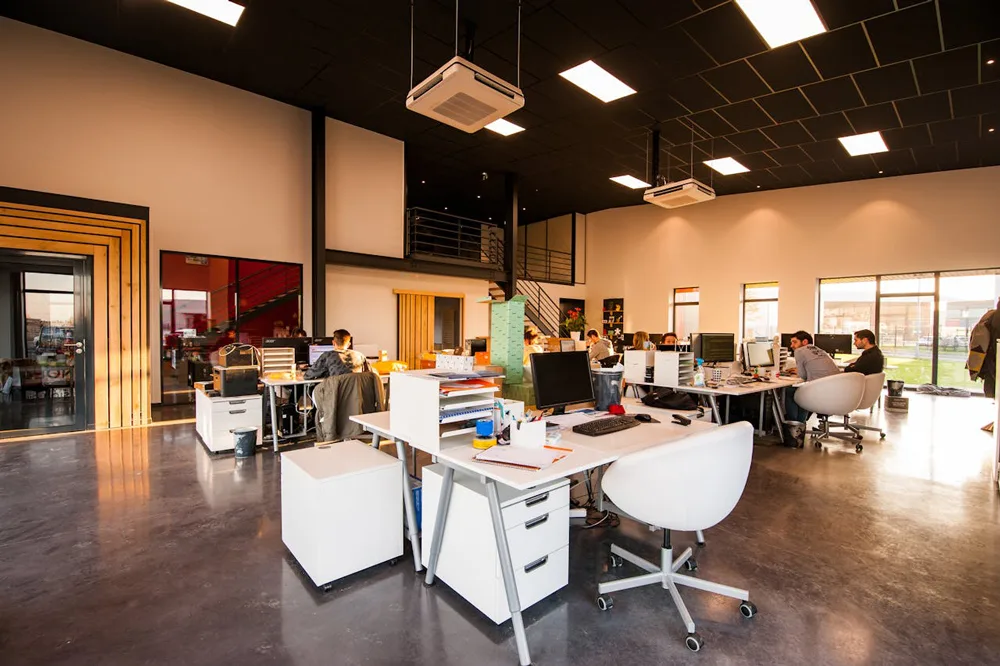
Remote workers often have different schedules from those working in a traditional office. Supervisors need a clear picture of when tasks are getting done to manage deadlines.
A blog post on the internet explained how these platforms help leaders see work patterns. These insights let managers find bottlenecks and track billable hours for clients accurately.
Employees gain a better understanding of their own work habits, too. This transparency builds trust within the entire team. Having a record of hours worked protects both the company and the staff.
Logistics Coordination In The Field
Moving large groups of people to a remote job site is a major undertaking. It requires planning for every possible need before the first worker arrives. Small details can have a huge impact on the overall success of the mission.
Managing a large site requires constant attention to detail. Part of the process involves organizing temporary facilities and catering to keep the crew fed and housed. Having a plan for food and shelter keeps morale high among the workforce.
Teams work better when they have comfortable spaces to rest after a long shift. Proactive planning helps avoid the stress of last – minute fixes.
Increasing Team Productivity Levels
Productivity is a top priority when dealing with complex remote tasks. Small gains in efficiency can lead to much larger profits. Leaders look for tools that remove friction from daily chores.
One online tech resource mentioned that firms using remote management tools see a 25% boost in productivity. This is a massive jump compared to teams only using basic email for communication. Modern software makes it easier for people to work together.
Software allows for real – time updates that keep everyone on the same page. This prevents errors that happen when people work in silos. Sharing data instantly keeps the project moving forward.
Connectivity And Supply Planning
Connectivity is the backbone of any remote operation. Without a secure link, the best software in the world cannot do its job properly. Data must flow freely between the field and the home office.
An industry report predicted that businesses will soon focus heavily on secure device links. Secure connections are needed regardless of where a team is located. This prevents data leaks and keeps private information safe.
Planning tools help with more than just talking. A supply chain guide mentioned that these systems help with sales and operations planning. This keeps the supply of materials steady throughout the year.
Inventory Management Steps:
- Tracking inventory levels on a daily basis.
- Ordering parts early to avoid shipping delays.
- Managing local vendors for quick repairs.
Supply Chain And Fleet Data
Supply chains have become much slower in recent years. Delays for raw materials are now a common part of the business cycle. Managers must account for these gaps in their project timelines.
A study on procurement found that raw material delivery times grew by 25% since the pandemic. Waiting 81 days for supplies is now a standard reality for many industries. This requires a shift in how companies order their goods.
Fleet software helps move these materials once they arrive on the site. One fleet blog noted that workers can log calls and inspections even without cell service. A different tracking platform stated that GPS monitoring helps control fuel costs.
Property And Maintenance Insights
Remote facilities are expensive assets that require careful oversight. Technology helps property owners keep an eye on their investments from miles away. This data helps prolong the life of the equipment.
The market for remote facility management is expected to reach $15 billion by 2033. This growth shows how much companies value data about their buildings and assets. Monitoring helps catch small leaks before they turn into floods.
Maintenance software can cut costs by up to 25%. A facility management site noted that these tools reduce downtime by roughly 15%. Predictive repairs are much cheaper than fixing a broken system.
Workforce Lodging Solutions
Housing 100 workers at a remote site is a logistical puzzle. It is hard to find enough rooms on short notice without digital help. Proper lodging keeps the team ready for the next day.
A construction industry resource explained how tools help companies stay agile. Managers can upload rosters for bulk bookings and adjust for project delays easily. This flexibility is vital when project dates change.
These tools take the stress out of managing room blocks for large crews. This lets supervisors focus on the actual work at the job site. Happy workers stay with the company longer.
Success in the field comes down to having the right systems in place. When technology handles the heavy lifting, managers can lead with confidence. These tools turn a complicated job into a manageable one.
Investing in these tools creates a foundation for long – term growth. A smooth operation is a profitable one that keeps clients coming back for more. Start building your digital toolkit to stay ahead of the competition.