


6 minute read
Most homeowners don’t think about the roof much. It’s just there, doing its job, taking on rain, heat, wind, debris. Years pass. Nothing seems urgent. Then one day, something changes: a stain shows up on the ceiling, a shingle appears in the yard, or the house just doesn’t feel as protected as it used to.
The problem is, roofs don’t usually fail all at once. It’s gradual. Wear builds up quietly. Small issues sit unnoticed until they connect to something bigger. By the time it becomes obvious, you’re no longer planning, you’re reacting.
That’s why timing matters. Replacing a roof isn’t just about visible damage. It’s about recognizing when the system is reaching its limit. Acting too early can feel unnecessary. Acting too late can get expensive. Somewhere in between is the right moment, and most people aren’t sure where that is.
Early Warning Signs You Shouldn’t Ignore
The first signs are often easy to miss. Or easy to ignore. Shingles might start curling at the edges, not dramatically, just slightly lifted. Some crack. Others lose their color in uneven patches. It doesn’t look urgent, so it gets pushed aside.
Then there are the gutters. You clean them out and notice something odd, gritty material, like sand. Those are granules from the shingles. They’re supposed to stay on the roof. When they start collecting in the gutters, it means the surface layer is wearing down.
Inside the house, the clues show up differently. A faint water stain on the ceiling. Maybe it dries, so you forget about it. Then it comes back during the next rain. Attic insulation might feel damp. Wood beams might look darker than they should. These are not isolated issues; they’re signals.
At this stage, you should look up roof replacement near me to find professionals who can inspect the structure, explain the condition clearly, and outline whether replacement is the more practical option.
Once you reach that point, the roof is already telling you something. The question is whether you’re ready to listen.
How Age Impacts Roof Performance
Every roof has a lifespan. Asphalt shingles, which are common, usually last around 20 to 25 years. Sometimes a bit more, sometimes less. It depends on weather, installation quality, and maintenance.
The tricky part is that aging isn’t always visible. A roof can look fine from the ground, but still be close to failure. Materials weaken slowly. Seals loosen. Layers break down underneath.
If you don’t know when your roof was installed, it’s worth finding out. Old records, previous owners, inspection reports, anything helps. Because once a roof reaches that upper age range, even small problems matter more.
Age doesn’t guarantee failure. But it increases the risk. A lot.
The Role of Weather and Environment
The weather doesn’t hit once and leave. It repeats. That repetition causes stress.
Rain soaks into small openings. Sun dries everything out, making materials brittle over time. Wind lifts edges slightly, not enough to tear them off immediately, just enough to weaken them. Then the next storm does a little more damage.
In some areas, temperature swings make things worse. Expansion, contraction—over and over. It wears down the structure.
Even things like shade and moisture play a role. Moss or algae can grow on the surface, holding water longer than it should. That slows drying, increases decay.
You don’t always see the damage happening. But it builds. Slowly, consistently.
Repair vs. Replacement: Knowing the Difference
Not every issue means you need a new roof. Sometimes repairs are enough. A few missing shingles. A small leak in one spot. If the rest of the roof is in good condition, fixing the problem can extend its life.
But repairs have limits. When damage spreads across different areas or when problems keep returning, patching becomes temporary. You fix one section, and another fails. It turns into a cycle.
There’s also the cost factor. Small repairs seem cheaper at first, but if you’re calling someone out every year, it adds up. Over time, those costs can approach what a full replacement would have been.
Professionals look at patterns. Not just one issue, but how many, how often, and where they’re happening. That’s what determines whether repair makes sense or if it’s time to move on.
Understanding the Cost of Waiting Too Long
Waiting feels easier. You delay the decision, avoid the expense for now. But the roof doesn’t pause its decline.
Water intrusion is the biggest risk. Once moisture gets inside, it doesn’t stay contained. It spreads into insulation, drywall, and even electrical systems. Mold can develop. Structural wood can weaken.
These problems cost more to fix than the roof itself sometimes. And they’re harder to detect early. By the time you notice, the damage is already done.
Replacing the roof earlier can prevent those issues entirely. It’s not just about the roof—it’s about protecting everything underneath it.
What to Expect During a Roof Replacement
The process isn’t as complicated as it sounds, but it does take planning.
First, there’s an inspection. Contractors assess the current condition, measure the area, and identify any underlying problems. Then comes the estimate—materials, labor, timeline.
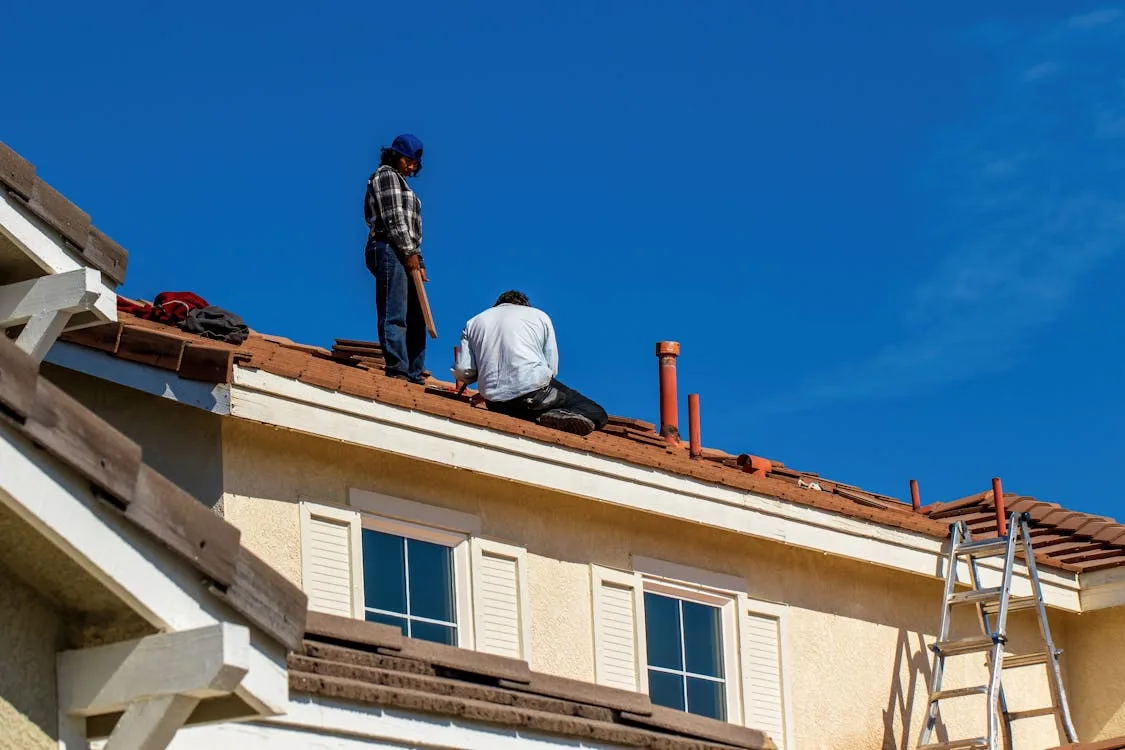
Once work begins, the old roof is removed. This part is noisy. There’s debris, movement, and disruption. It usually lasts a day or two, depending on the size of the house.
After that, the new materials go on. Underlayment, shingles, flashing—everything installed in layers. Weather can affect timing, but most projects finish within a few days.
It’s a temporary inconvenience. That’s the trade-off.
How to Choose the Right Roofing Professional
Not all contractors are the same. Experience matters. So does transparency.
Look for proper licensing and insurance. Ask for a clear estimate, not vague numbers. Pay attention to how they explain things—if it’s rushed or unclear, that’s a sign.
Reviews help, but they’re not everything. Local reputation carries weight. Someone who’s been working in your area for years likely understands the conditions better.
Avoid offers that seem too cheap. Roofing is not the place to cut corners. Poor installation leads to more problems later.
Replacing a roof isn’t something anyone looks forward to. It’s a big decision, a real investment. But it’s also necessary at some point.
The key is timing. Not too early, not too late. Watching for signs, understanding how age and weather affect the structure, and knowing when repairs stop making sense—that’s what helps you decide.
A roof protects everything inside your home. When it starts to fail, the risk spreads. Acting at the right time keeps things simple. Waiting too long rarely does.