


5 minute read
A home rarely announces discomfort in a dramatic way. It begins quietly, with those something-is-not-quite-right thoughts, when the air feels heavier or the temperature refuses to settle. In New Orleans, LA, where humidity lingers and heat stretches across long days, that subtle shift becomes noticeable almost immediately. Comfort indoors is not a coincidence. It is shaped by systems that work silently, often ignored until they fail to deliver what is expected.
HVAC systems sit at the center of that comfort. They regulate temperature, manage airflow, and influence how a space feels from one hour to the next. When they work properly, they fade into the background. When they struggle, everything feels different. Understanding how these systems function is not reserved for experts. It is something every homeowner benefits from, especially when small issues begin to appear.
What Your System Is Really Doing Behind The Scenes
An HVAC system works as a connected process, not a single unit. Air is pulled in, filtered, adjusted in temperature, and circulated throughout the home to maintain balance. Heating and cooling systems handle temperature changes, while ducts distribute air and thermostats control output.
Have you noticed one room feeling cooler than another? That often points to airflow issues like blocked ducts or clogged filters. Understanding how these parts work together helps identify problems faster and makes the system easier to manage.
Why Maintenance Is Not Optional
Maintenance is often treated as something that can wait, though it plays a major role in system performance. HVAC systems do not fail suddenly without warning. Dust builds slowly. Filters collect debris. Efficiency begins to drop, even when the system appears to be working normally.
Many homeowners depend on reliable HVAC Services in New Orleans, LA, to keep their systems operating efficiently. Professional inspections identify issues early. They also ensure that components are working as expected, even when no obvious problems are present.
Picture a homeowner who postpones maintenance for several seasons. The system continues to run, though performance declines gradually. Cooling becomes less effective. Energy bills increase. Eventually, the system stops working during a peak summer period. That situation creates stress and discomfort, and repairs become more complicated.
Would it have been easier to address smaller issues earlier? In most cases, it would have been.
Maintenance is not only about fixing problems. It is about preventing them from happening in the first place. Regular attention keeps the system stable. It allows the unit to operate without unnecessary strain. A well-maintained system responds better to demand, especially during extreme weather conditions.
The Small Habits That Make A Big Difference
Daily habits influence HVAC performance more than many homeowners realize. Systems respond to how they are used. Small changes in behavior can reduce strain and improve efficiency without requiring major effort.
Simple habits can make a noticeable difference:
- Replace air filters regularly to maintain airflow
- Keep vents clear of furniture and obstructions
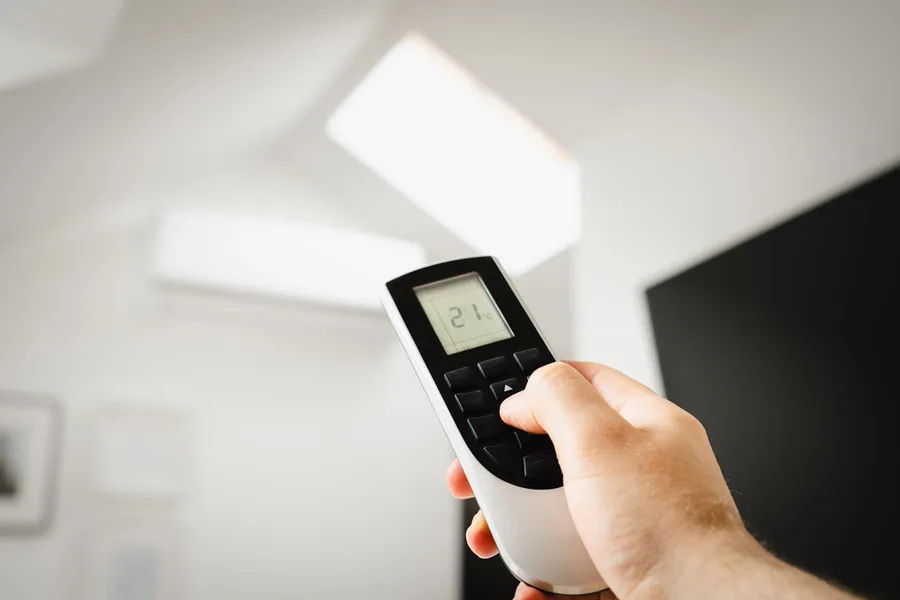
- Adjust thermostat settings based on daily routines
- Seal gaps around windows and doors to prevent air loss
- Schedule routine system inspections to maintain performance
These actions may seem minor, though they contribute to long-term efficiency. When airflow is unrestricted, the system does not need to work as hard. When filters are clean, indoor air quality improves.
A homeowner who follows these habits supports the system rather than placing additional stress on it. Over time, this reduces wear on components. It also leads to more consistent performance and lower energy usage.
Consistency is what creates results. A single action may not change much, though repeated actions build a reliable system that performs as expected.
When Warning Signs Should Not Be Ignored
HVAC systems often provide early signals when something is not functioning properly. These signals may be subtle, though they should not be dismissed. Changes in sound, airflow, or temperature usually indicate that attention is needed.
Consider a situation where a homeowner hears a faint rattling sound when the system starts. It seems minor at first. The system continues to operate, so the noise is ignored. Over time, the sound becomes louder. Eventually, a component fails, leading to a more extensive repair.
Is it easier to fix a small issue early, or to deal with a larger problem later? That question highlights the importance of paying attention.
Weak airflow is another common sign. When air circulation decreases, the system may be struggling. Uneven temperatures can also indicate a problem within the ducts or the unit itself. These signs are not random. They are signals that something needs to be addressed. Responding early helps keep your home comfortable. It prevents minor issues from developing into larger disruptions. Awareness gives homeowners the ability to act before comfort is compromised.
Keeping Comfort Consistent Without Overthinking It
Comfort does not require constant attention. It depends on a system that works reliably and habits that support its performance. When HVAC basics are understood, maintaining that comfort becomes easier.
Consistency is built through maintenance, awareness, and routine care. Systems that are maintained properly perform better. They respond more effectively to changes in temperature. They create a stable indoor environment that supports daily life.
Have you ever walked into a home where the temperature feels balanced immediately? That experience is not accidental. It reflects a system that is functioning as intended, supported by regular care.
HVAC systems may operate quietly, though their impact is constant. When they are understood and maintained properly, they support everyday comfort without interruption. Stability becomes part of the home environment.
A well-functioning HVAC system does more than regulate temperature. It creates a space where daily life feels manageable. And when that level of comfort is achieved, it becomes something worth maintaining through consistent attention and simple, effective habits.
Comfort is not created in a single moment. It is maintained through ongoing care, thoughtful use, and a clear understanding of how the system works. When those elements come together, the home remains a place where conditions feel just right, no matter what is happening outside.