


7 minute read
Morning mist clings to the trees as you stand at the trailhead. You check your pack one last time. The air feels cool against your skin. You feel a sense of calm. A great walk ahead requires preparation. You want the right tools for the job. Comfort dictates your experience on the trail. You need gear that works as hard as you do.
Preparation begins long before you arrive at the start of the path. You want to carry just enough to support your physical needs. You do not want to sacrifice your freedom of movement. You need items that provide support without adding bulk to your shoulders.
Your Gear Strategy
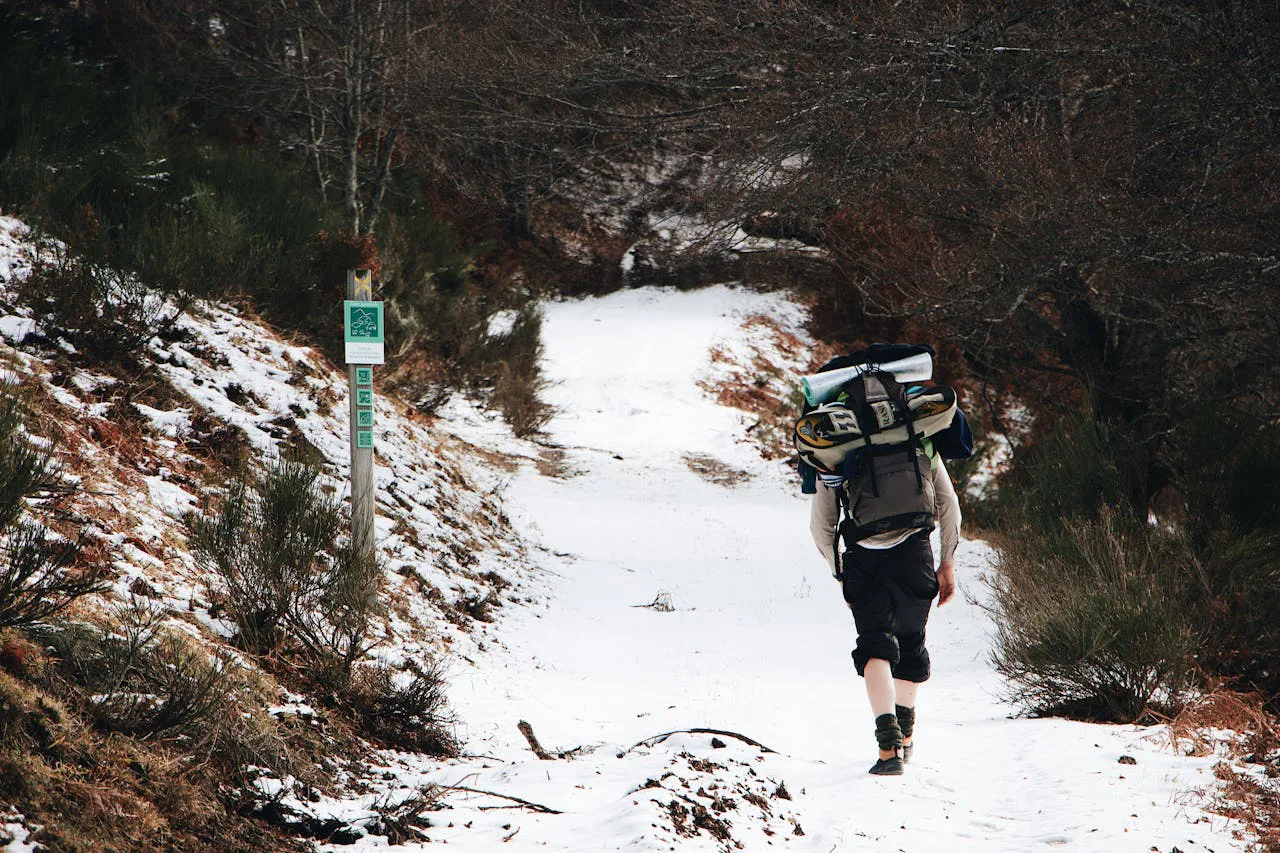
You choose a professional service to handle your travel needs. Top Walking Tours Portugal takes care of the logistics for your group. You focus on the walk itself. You do not carry heavy tents or cooking stoves. This freedom changes how you pack your day bag. You carry light items that support your movement.
You should carry the essentials for the daily hike. Your pack needs to balance weight and utility. Think about the following items for your day bag:
- Water bottles or a hydration bladder for constant fluid intake.
- Extra socks to keep your feet dry and happy.
- A light rain jacket for sudden changes in the weather.
- Sun protection like a hat or sunglasses to shield your eyes.
- Small snacks to maintain your energy levels during the trek.
- A small first aid kit for minor injuries or blisters.
Footwear Choices
Your feet carry you across many miles of trail. You need boots that provide support and protection. The right footwear prevents pain and keeps you on the move. Poor choices cause blisters and ruin your day. You need to spend time picking the right pair before you leave.
Selecting Hiking Boots
Good boots offer stability on uneven or rocky ground. You should look for options that prioritize traction. Finding the right hiking boots is a process of testing them on different surfaces. Walk in them at home before you go on your trip. You want a pair that fits well. They should hold your heel in place firmly. Your toes need enough space to move without hitting the front. A stiff sole protects your foot from sharp rocks. Proper support reduces fatigue in your calves and ankles.
Managing Moisture and Socks
Foot sweat causes friction. Friction creates blisters on your skin. You should avoid cotton socks at all costs. Cotton traps moisture and stays wet against your feet. Wool or synthetic materials work much better. They pull sweat away from your skin. This keeps your feet dry and cool. You should also carry a spare pair. Change your socks halfway through the day. This simple step keeps your feet fresh for the entire distance. Good socks act as a barrier between your foot and your shoe.
Layering for Comfort
The temperature on a hike often changes throughout the day. You might start in the cold morning air. You will likely feel warm after an hour of walking. A layering system helps you adapt to these shifts. You add or remove layers to stay comfortable. This approach keeps your body temperature stable.
The Base Layer
The base layer sits directly against your skin. It manages your moisture and heat. You should choose materials that dry quickly. Merino wool is a top choice for hikers. It regulates your temperature in both cold and warm conditions. Synthetic shirts also work well for intense activity. You should avoid heavy materials that hold water. A light shirt keeps you comfortable for several hours. This layer stays dry and prevents you from feeling cold during rest stops.
Outer Shells
The outer layer protects you from wind and rain. You should keep a lightweight shell in your pack. It takes up very little space. You should choose a jacket that breathes well. This prevents you from overheating while you walk. A hood adds extra protection in heavy rain. You can pull this on quickly when the sky turns gray. Keep this item near the top of your pack. You want easy access to it at all times. A good jacket allows air to flow while keeping water out.
Organisation and Pack Loads
A disorganised pack slows you down on the trail. You want to find your gear without stopping too often. You can maintain a smooth pace with a simple system. Place your most used items in reachable spots. This keeps your movement fluid and avoids frustration.
You should consider these tips for packing your day bag:
- Store your camera or portable audio gear in a side pouch.
- Keep your sunscreen and lip balm in a hip belt pocket.
- Pack your heavy items close to your back and between your shoulders.
- Use compression straps to keep the load tight and stable.
- Place your rain shell at the top of your main compartment.
This method keeps your pack balanced on your body. You do not feel the weight pull on your shoulders. You enjoy the scenery rather than fighting your gear. Balance is the primary goal for long walks. A well packed bag sits comfortably against your spine.
Nutrition and Hydration Needs
Your body burns fuel at a high rate while hiking. You need consistent energy to finish your miles. Do not wait until you feel hungry to eat. Eat small amounts throughout the morning and afternoon. This keeps your energy levels steady and prevents fatigue.
Smart Fuel Choices
You should carry food that packs easily. Nuts and seeds provide fats and proteins for long energy. Dried fruit offers a quick sugar boost when you need it. Energy bars are convenient but check the sugar content. You want complex carbohydrates for lasting power. Avoid heavy meals that leave you feeling sluggish. Focus on food that tastes good to you. You want to look forward to your lunch break on the trail. Small bites help you maintain a steady pace for the entire duration.
Hydration Practices
Water is your most important supply on the hike. You should drink in small sips often. Do not chug water all at once. This fills your stomach and makes you feel full. A hydration bladder allows you to drink while moving. You can track your water intake much easier this way. You might add electrolytes if the day feels hot. Electrolytes replace the salts lost through your sweat. This prevents cramps and keeps your muscles working well. Proper hydration keeps your mind sharp and your body moving.
Ethics of the Trail
You walk through nature and you should respect it. The Countryside Code provides great advice for safe travel. You should treat the land with care. This preserves the environment for everyone else. Small actions keep the trails healthy and clean.
You should follow basic rules for your visit:
- Stay on the marked path to protect the plant life.
- Pack out all trash you create including food scraps.
- Do not take rocks or flowers from the area.
- Keep your voice low to respect the quiet of the woods.
The Ramblers organisation promotes these core values for hikers. You should carry a small bag for your trash. Place your waste in this bag and pack it out. Leave the trail as you found it. This simple habit keeps the world beautiful. You contribute to the health of the environment. Respect ensures that future hikers enjoy the same path as you.
Your pack contains everything you need for the day. You have your layers for weather shifts. You have food for your energy needs. You have boots that protect your feet. You are ready for the path ahead. The trail offers a new experience with every step. Enjoy the sights and the sounds of your trek. You have done the hard work of planning. Now you walk with confidence and purpose. Focus on the view instead of your gear.